

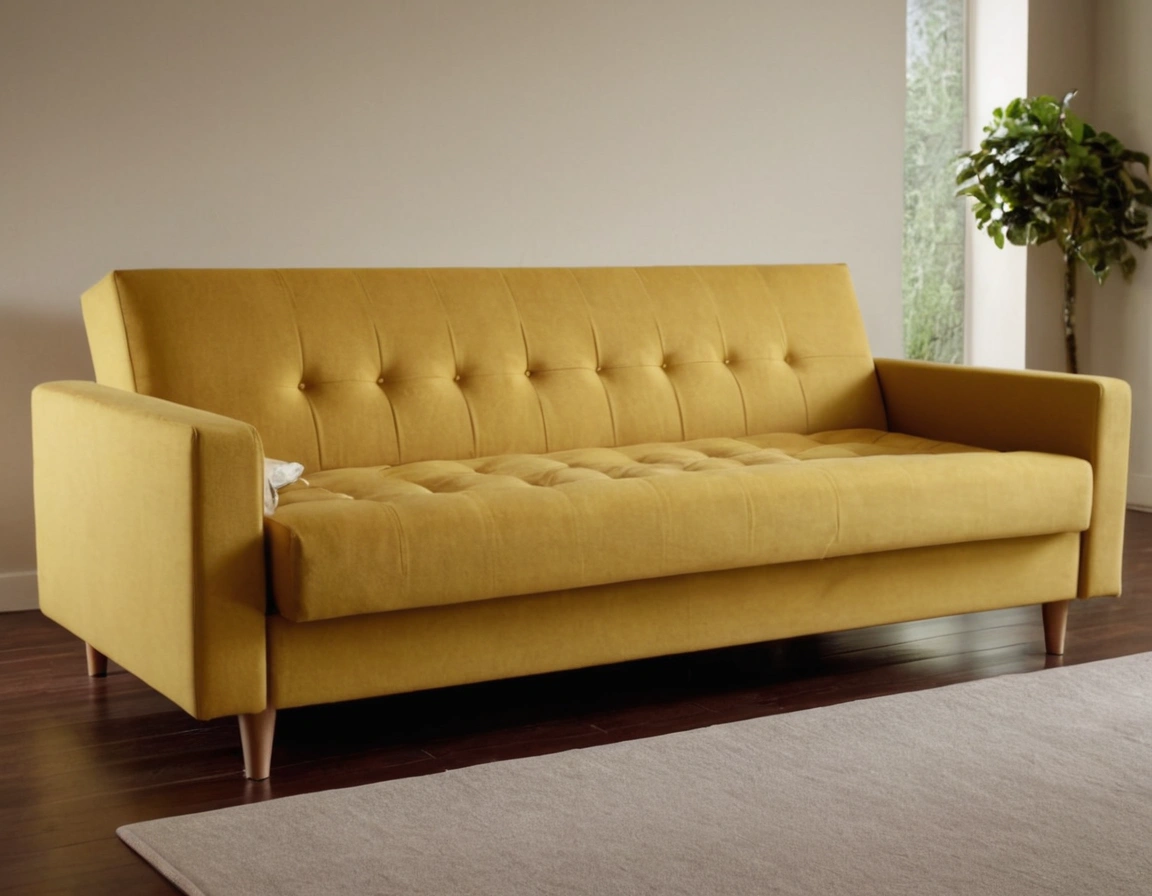
Let’s cut the crap: a sofa bed can be perfectly comfortable to sleep on every single night, but not all of them. The difference between waking up refreshed or with a knot in your back comes down to one thing — the mattress. If the sofa bed you’re eyeing packs a foam or pocket-spring mattress at least 4.7 inches (12 cm) thick, you’re in business. If it’s one of those thin futon slabs with a bar digging into your spine, forget it.
I’ve tested and researched enough models to know that the sofa bed for sleeping every day myth — that they’re all torture devices — is outdated. Modern convertible sofas from brands like IKEA, Article, or Camerich have closed the gap with regular beds far more than people admit. But you have to know what to look for.
What Actually Makes a Sofa Bed Comfortable for Nightly Sleep
Forget aesthetics for a second. The three things that decide whether a comfortable sofa bed to sleep on every night works are mattress thickness, mechanism type, and frame support. A click-clack mechanism with a 3-inch mattress is a guest-room emergency solution, not a daily bed. A pull-out with a proper 5-6 inch mattress on a slatted base? That’s a real bed hidden inside a couch.
Memory foam mattresses in sofa beds have gotten genuinely good. They contour to your body, they don’t transfer motion when your partner rolls over, and they hold up for years if you rotate them. The catch: cheap memory foam sleeps hot. If you run warm, look for gel-infused foam or a hybrid with pocket springs underneath.
Mechanism matters more than most buyers realize. The click-clack is cheap and fast but puts the mattress on a hard platform — fine for occasional use. The pull-out (or “pull-out couch”) hides a full mattress and folds flat, giving you the closest thing to a real bed. The pull-down or comfort mechanism is the premium option: it lifts the whole seating surface forward and lays it flat, so there’s no metal bar under your hips. If you’re sleeping on it every night, pay the extra for pull-down or a high-end pull-out.
Sofa Bed vs Regular Bed: The Honest Comparison
Here’s where I’ll take a side. If you have the floor space for a real bed, buy a real bed. A sofa bed for everyday sleeping is a compromise — a very good one, but a compromise nonetheless. You’re trading mattress longevity and a bit of back support for space efficiency. That trade is genius in a studio apartment in Madrid, Barcelona, or Mexico City where every square foot costs money. It’s dumb in a two-bedroom house where you just don’t want to admit you need a guest room.
That said, the gap has narrowed dramatically. A $1,200 pull-out with a 6-inch pocket-spring mattress sleeps better than a $300 budget bed frame with a cheap innerspring. The sofa bed wins on versatility because it does two jobs.
Rule of thumb: if you’re sleeping on it more than four nights a week, treat it as a primary bed and budget accordingly — $900 minimum for something that won’t wreck you in six months.
Small Rooms, Big Problem: Space-Saving Without Back Pain
Comfortable sofa beds for small rooms are the fastest-growing category for a reason. Studios and micro-apartments have exploded in every major city, and people need furniture that pulls double duty. The trick is going vertical: a sofa bed with built-in storage underneath, or a wall-mounted Murphy-style unit, frees up the floor without sacrificing mattress quality.
If your room is under 200 square feet, prioritize a two-seater or a compact three-seater with a pull-out. Full-size sofa beds eat space when open, so measure your open footprint before buying — not just the closed dimensions. This is the mistake that ruins more purchases than anything else.
Mattress Quality: The One Spec That Decides Everything
Ask any high-quality sofa bed for sleeping seller one question: how thick is the mattress, and what’s inside? If they can’t answer in seconds, walk away. Here’s the cheat sheet:
- Under 4 inches: guest emergency only. Not for nightly sleep.
- 4.5-5.5 inches: acceptable for daily use if it’s foam or pocket spring.
- 6 inches and up: genuinely bed-level comfort. This is what you want for every night.
Pocket springs beat open-coil springs every time in a sofa bed because they support each part of your body independently and don’t sag into a crater where you always lie. Memory foam is great for pressure relief but needs a breathable cover. Latex is the premium pick — cool, durable, but pricey and heavy.
One more thing nobody mentions: rotate or flip the mattress every three months. Sofa bed mattresses compress unevenly because you always sit on the same spot. Rotation doubles their lifespan, full stop.
Daily Use, Guests, and the Wear-and-Tear Reality
A sofa bed for guests or daily use takes a beating that a regular bed never sees. You sit on it, you fold it, you unfold it, someone spills wine on it. The mechanism is the first thing to fail — usually the welds on cheap models after 12-18 months of daily conversion. If you’re converting it every day, buy from a brand with a real warranty (5 years minimum) and metal — not plastic — fittings.
Fabric choice matters too. Microfiber and performance weaves survive daily life far better than linen or velvet. If you have pets or kids, this isn’t a style question, it’s a survival question.
Is It Worth It? My Verdict
Yes — a good sofa bed is absolutely worth it for nightly sleep, but only if you stop shopping by price and start shopping by mattress. The comfortable sofa bed for sleeping every day exists in 2026. It just isn’t the cheapest one on the showroom floor. Spend on the mattress and mechanism, save on the upholstery. That’s the formula that keeps your back intact and your apartment functional.
And if you’re still doubting whether a sofa bed can replace a real bed? Go lie on a pull-down model with a 6-inch pocket-spring mattress for ten minutes. You’ll stop doubting fast.