

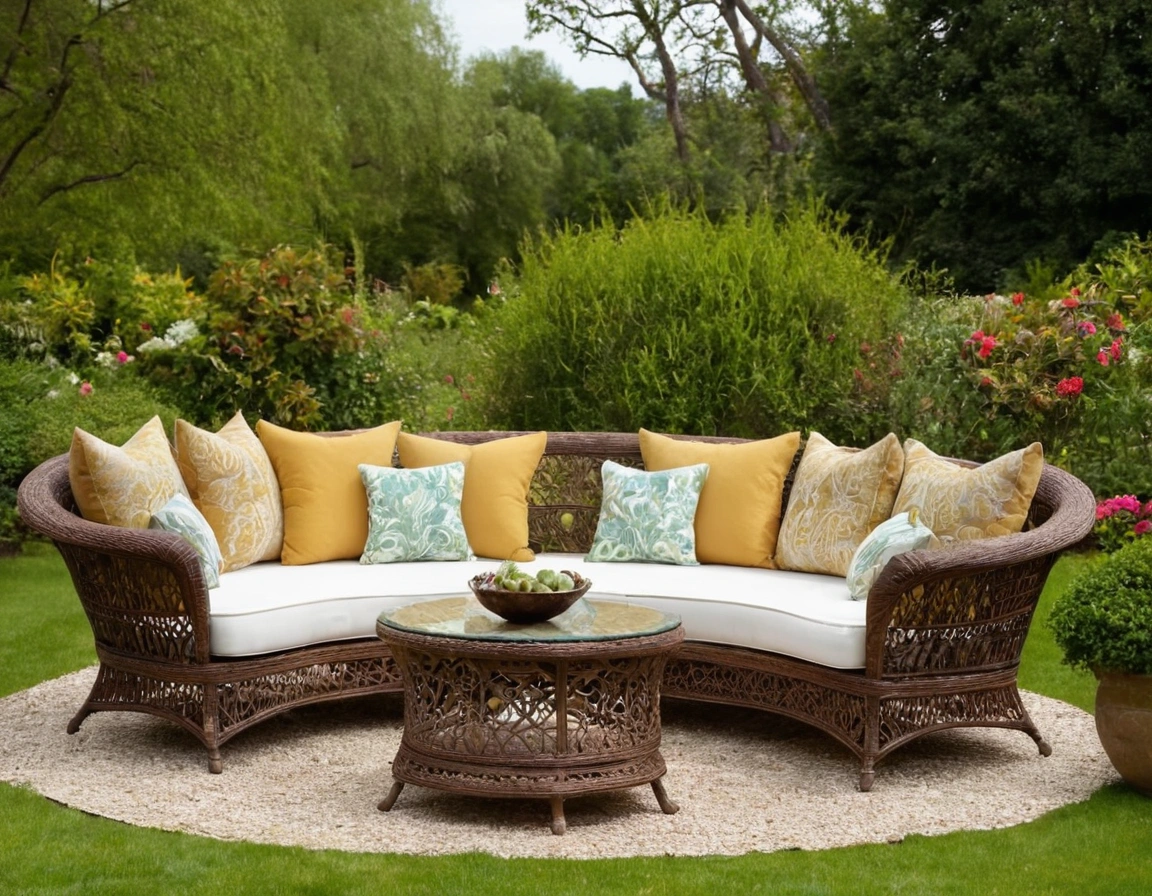
So you’re staring at your terrace thinking it needs a proper sofa, not those flimsy folding chairs from the hardware store. Fair. Buying a waterproof outdoor sofa in 2026 is one of those purchases you either get right or regret every single time it rains. And trust me, most people get it wrong because they listen to glossy catalog photos instead of hard specs.
Here’s the blunt version: the outdoor sofa market is flooded with “water-resistant” junk that falls apart after two summers. If you want something that actually survives UV, rain, mold and your neighbor’s BBQ spills, you need to know what you’re looking at before you swipe your card.
What Actually Makes an Outdoor Sofa Waterproof (And Why Most Aren’t)
“Waterproof” gets thrown around like confetti. The reality is that almost no outdoor sofa is 100% waterproof in the strict sense. What you want is a water-repellent outdoor sofa with quick-dry foam cushions and a frame that doesn’t rust. That’s the honest benchmark.
Materials that genuinely hold up: powder-coated aluminum, HDPE wicker (high-density polyethylene), teak or acacia with proper sealing, and solution-dyed acrylic fabrics like Sunbrella or Olefin. Materials that don’t: cheap steel, untreated pine, and polyester blends that fade to a sad gray within one season.
The killer detail most buyers miss is the cushion core. Even a waterproof cover is useless if the foam inside soaks up water like a sponge. Look for open-cell quick-dry foam or mesh-bottom cushions that drain. If the listing doesn’t mention it, assume it doesn’t have it.
Where to Buy Waterproof Outdoor Sofas Without Getting Scammed
Big-box stores get a bad rap, but honestly, a Carrefour waterproof outdoor sofa or a Leroy Merlin waterproof outdoor sofa can be a solid entry point if you check the specs. They’re fine for balconies and covered terraces. They’re not fine for exposed rooftops in windy, rainy climates.
My rule of thumb after testing a few of these: if the price is under €300 for a three-seater, the fabric is almost certainly a basic polyester with a spray-on coating that dies within 18 months. If that’s your budget, accept it and buy a cover. Don’t pretend you got a deal.
For real longevity, brands like Kettler, Bizzotto, or Sunbrella-equipped sets justify the price jump. You’re paying for the foam, the powder coating, and the UV-stable dye. That’s it. No magic.
Key Factors for Choosing Your Outdoor Sofa in 2026
Forget the aesthetics-first approach. Function decides, style follows.
- Fabric treatment: Must be UV-resistant and at least water-repellent. Solution-dyed acrylic beats surface-treated polyester every time.
- Frame material: Powder-coated aluminum or HDPE wicker. Never raw steel, never untreated softwood.
- Configuration: Modular sets win for small terraces because you can rearrange them. A two-seater with a chaise is the sweet spot for most balconies.
- Cushion drainage: Mesh bottoms or quick-dry foam. Non-negotiable.
- Weight: A heavy sofa stays put in wind. Lightweight ones end up in your pool.
Size matters more than people admit. Measure your space, then subtract 30% for walking room. A gorgeous sofa crammed against a wall is just an expensive obstacle.
Comfort: The Test You Must Do Before Paying
Sit on it. In the store. For at least five minutes. If the cushions feel like cardboard wrapped in fabric, walk away. A good comfortable outdoor sofa has cushions at least 12 cm thick with medium-firm density. Too soft and they flatten in a month. Too firm and nobody sits there.
Back height matters too. Low-back sofas look modern but kill your neck after an hour. If you plan to nap or read out there, get something with at least 65 cm of back height.
An outdoor sofa you don’t actually want to sit on is just outdoor decoration. Don’t pay premium prices for decoration.
How to Keep Your Outdoor Sofa Looking New (Without Obsessing)
Even the best waterproof outdoor sofa needs minimal care. Skip it and you’ll replace it in three years instead of ten.
- Cover it when not in use. A breathable cover, not a plastic tarp. Plastic traps moisture and breeds mold.
- Clean spills immediately. Red wine, sunscreen, and bird droppings all stain if left overnight.
- Wash cushion covers twice a year. Most zip off. Cold water, mild soap, air dry. Never tumble dry.
- Treat wooden frames annually. Teak oil or a sealing product, once a year before winter.
- Store cushions indoors in winter. This alone doubles their lifespan.
Avoid abrasive chemicals at all costs. They strip the water-repellent coating and you’re back to square one.
My Honest Take: Buy Less, Buy Better
The outdoor furniture industry thrives on people replacing cheap sofas every two years. Break the cycle. Spend once on a durable outdoor sofa with the right materials, and you’ll save money and landfill waste.
If your budget is tight, buy a smaller high-quality two-seater instead of a huge cheap three-seater. You’ll thank yourself in 2028 when it still looks sharp and your neighbor’s bargain set is already in the trash.
Your terrace deserves better than disposable furniture. Choose materials that fight back against the weather, test comfort with your own body, and commit to five minutes of maintenance per month. That’s the whole game.