

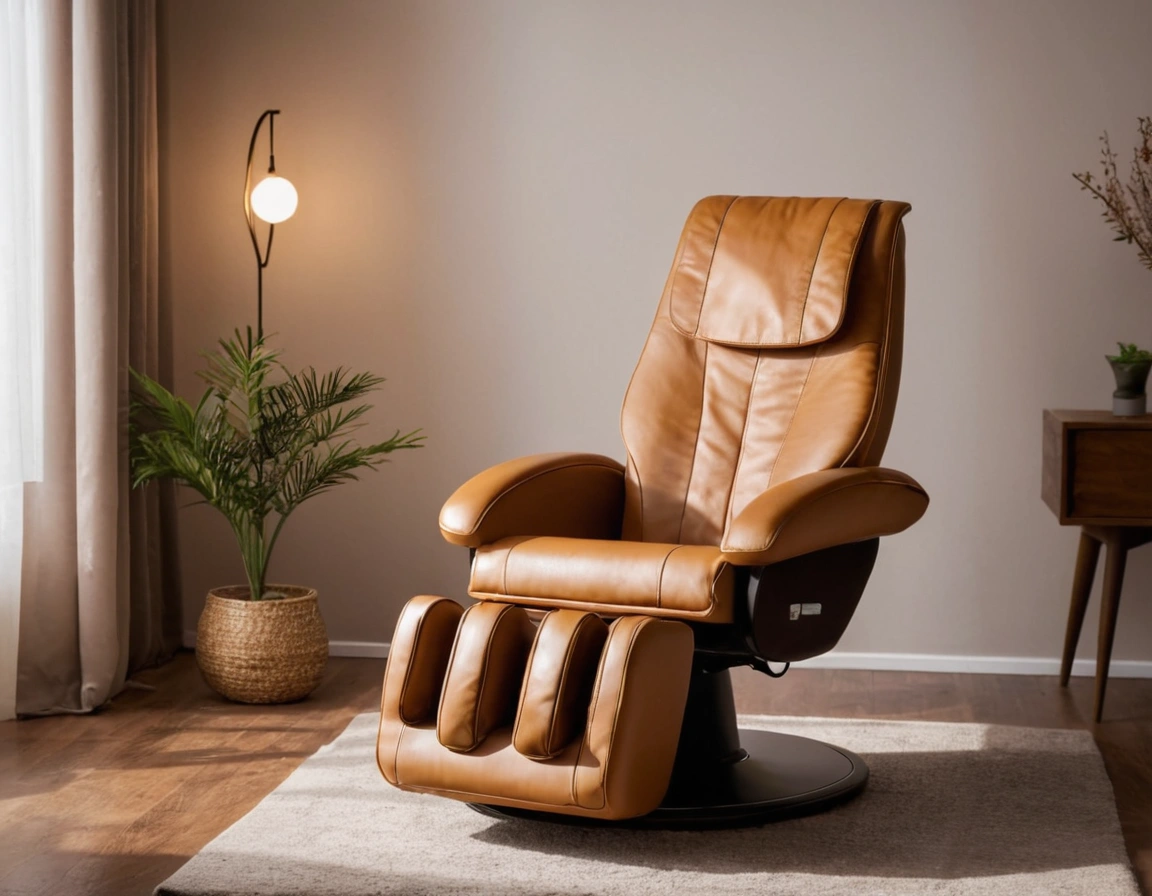
Why a Massage Chair Beats Yet Another Spa Appointment in 2026
Picture this: it’s 7:42 PM, you just got home after a brutal day, your lower back is screaming, and the last thing you want is to drive 25 minutes to a spa, wait 15 more, and pay $90 for 50 minutes of somebody’s hands. A massage chair at home flips that whole script. You sit down, hit a button, and you’re done. No traffic, no small talk, no tipping.
I’ve tested a few of these things and talked to owners who’ve had them for years, and the honest take is this: the convenience factor alone justifies the price for heavy users. The comfort and privacy are unmatched, but the real win is that you actually use it. A spa membership gets ignored. A chair in your living room does not.
Full-Body Massage Chairs Aren’t a Gimmick Anymore
Ten years ago, most massage chairs felt like a bear kneading your spine with pool noodles. That’s not the case in 2026. Modern full-body massage chairs use 4D roller systems, body-scanning sensors, and airbag compression that actually map to your shoulders, glutes, and calves instead of just guessing.
Some flagship models from brands like Osaki, Human Touch, and Panasonic genuinely mimic shiatsu, kneading, tapping, and even Thai-style stretching. No, they don’t replace a licensed massage therapist for injury rehab. But for daily muscle tension, circulation, and stress relief? They hold up.
Zero Gravity Recliner: The Feature You’ll Use Every Single Night
The zero gravity recline isn’t marketing fluff. By tilting you back so your knees sit above your heart, it takes pressure off your spine and lets the rollers dig deeper without hurting. Pair it with heat therapy and you’ve basically got a personal recovery pod.
If you’re shopping for a zero gravity recliner massage chair, prioritize this feature over cosmetic stuff like Bluetooth speakers or LED lights. You’ll use it every day. You won’t use the voice assistant twice.
Real Health Benefits of Massage Chairs (Backed by Actual Research)
Massage chairs aren’t just pampering. Research published in journals like Complementary Therapies in Medicine has shown that regular mechanical massage can reduce cortisol levels, ease lower back pain, and improve sleep quality in adults with chronic tension. That’s not a wellness influencer talking — that’s data.
- Better circulation: the rolling and compression action pushes blood through tight muscles.
- Less muscle tension: consistent use loosens knots that build up from desk work and lifting.
- Lower stress and anxiety: the parasympathetic response kicks in within 10-15 minutes.
- Improved sleep: a short session before bed beats doom-scrolling on your phone.
One caveat: if you have a herniated disc, recent surgery, or circulation disorders like DVT, talk to your doctor first. A massage chair for back pain helps most people, but it’s not universal medicine.
Cost Breakdown: Massage Chair vs. Monthly Spa Visits
Do the math. A decent massage runs $80-$120 in most US cities. Twice a month is roughly $2,400 a year. A quality massage chair costs between $1,500 and $8,000 depending on the tier, and lasts 7-10 years with basic care.
Even a $4,000 chair pays for itself in under two years if you use it weekly. After that, every session is basically free. Add up the time saved — no driving, no waiting rooms — and the math gets even more lopsided.
The catch: cheap $500 chairs from random marketplaces often break in a year and have terrible roller geometry. If you’re going to buy, buy once. It’s better to wait three extra months and get a real one.
How to Pick the Right Massage Chair for Your Home
Before you drop money, measure. These chairs need serious clearance — usually 6 to 12 inches behind the chair when fully reclined. If you live in a small apartment, look for space-saving massage chairs with wall-hugging designs.
Then think about who’s using it. If multiple family members share it, you want programmable memory settings and adjustable intensity. If it’s just you, focus on the roller quality and the specific zones you care about — neck and shoulders for desk workers, lumbar and glutes for athletes.
Features Actually Worth Paying For
- Body scan technology — auto-adjusts rollers to your height and spine curve.
- 4D or 5D rollers — depth and speed control that feels human.
- Heat therapy — lumbar heat is the single best add-on for back pain.
- Foot and calf rollers — underrated, especially after standing all day.
- Zero gravity recline — see above.
Skip the AI voice control, the tablet apps that never get updated, and the 20-speaker surround sound. Those are upsells.
Where to Buy and What to Watch Out For
Buy from a specialist retailer like Massage Chair Relief, Human Touch’s official store, or a verified Amazon seller with a real warranty. Avoid no-name dropshippers on TikTok Shop — you’ll get a chair with no service network and a manual written in broken English.
Look for at least a 3-year parts and labor warranty. Better brands offer 5 years on the frame. Also check the return policy: freight shipping these chairs back costs $200-$400, so you want a clear 30-day in-home trial.
The Honest Verdict on Owning a Massage Chair
A massage chair at home isn’t for everyone. If you get one massage a year and think it’s indulgent, save your money. But if you deal with chronic tension, sit at a desk 8+ hours, or just value your evenings too much to spend them in traffic, this is one of the few wellness purchases that actually pays you back.
The people I know who own one don’t regret it. They regret not buying a better model the first time around. So test in person if you can, read real reviews (not the ones on the manufacturer’s own site), and don’t cheap out on the rollers. Your spine will thank you for the next decade.