

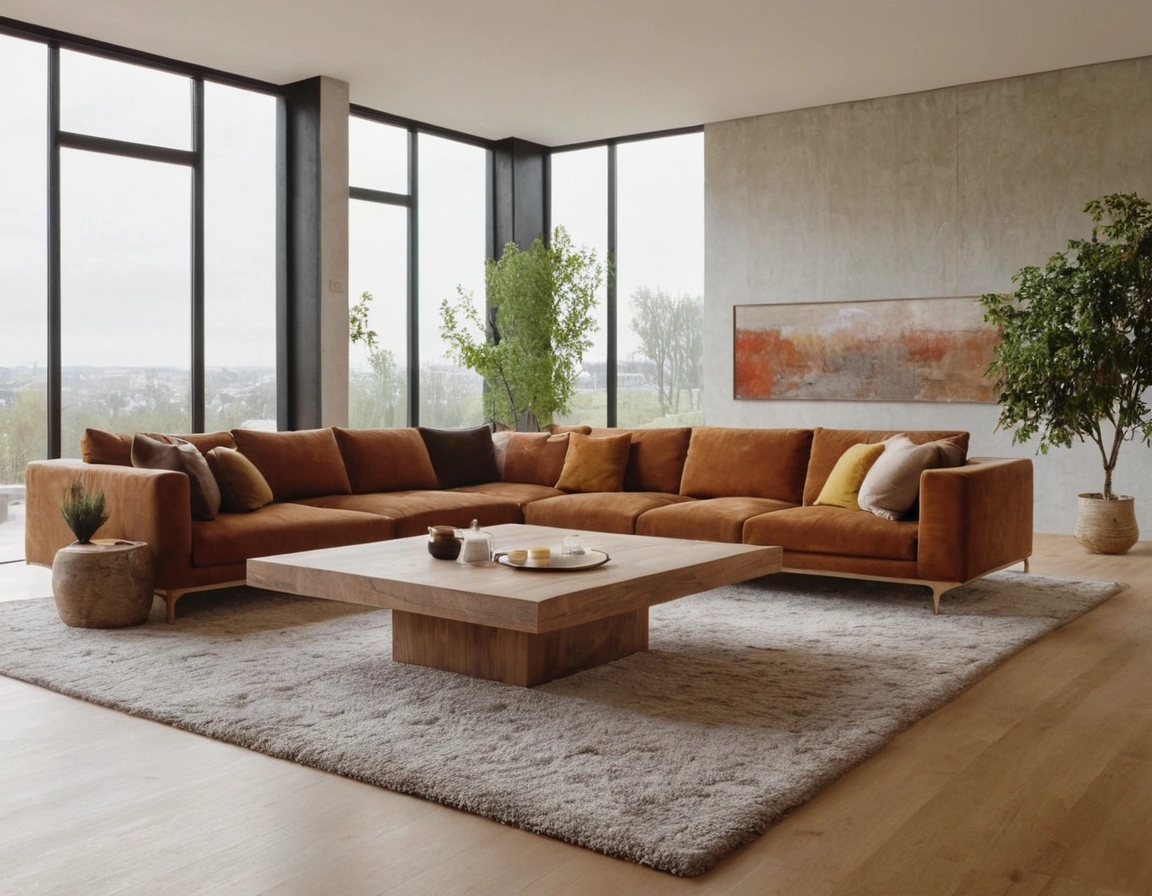
So you’re thinking about dropping serious cash on a Modern Luxury Sofa. Good. But let’s cut the crap: half the sofas sold as “luxury” are just overpriced boxes with fancy names. I’ve dug through design forums, manufacturer specs, and talked to people who actually own these things. Here’s what separates the real deal from the hype.
What Actually Makes a Modern Luxury Sofa Worth It
It’s not the logo stitched on the side. A genuine modern luxury sofa earns its price through three things: materials that age well, a frame that won’t creak after two years, and comfort engineered around actual human bodies.
Take the frame. Cheap sofas use particleboard or soft pine. Luxury ones use kiln-dried hardwood — beech, maple, or birch. That’s why a $4,000 sofa can still feel solid a decade later while a $1,200 one sags by year three.
Then there’s the cushion core. High-resilience foam (HR foam) with a density above 2.5 lb/ft³ is the baseline for luxury. Anything below 1.8 is basically disposable. Some highend pieces mix foam with feather-down wraps — that’s the cloud-like feel people chase, though it needs fluffing.
Leather matters too. Full-grain or top-grain Italian leather (think Poltrona Frau or Natuzzi’s higher lines) develops a patina. Bonded leather — which is shredded scraps glued together — peels within a few years. If a product page won’t specify the leather grade, that’s your answer.
How to Pick the Right Luxury Sofa Without Regret
Most people screw this up by falling in love with a photo. Don’t.
First, measure twice. A 3-seater luxury sofa runs anywhere from 78 to 96 inches wide. If your living room is under 12 feet across, a deep-seated sectional will swallow the space. Rule of thumb: leave at least 18 inches of walkway around the sofa.
Second, match the sofa to your actual life, not your Pinterest board. Velvet looks insane — until your cat uses it as a scratching post. Bouclé is trending hard in 2026 but shows every crumb. If you’ve got kids or pets, performance fabrics like Crypton or Sunbrella inside are the smart move, and yes, they now come in luxury-grade textures.
Third, sit in it. For at least five minutes. Check seat depth (21–24 inches is standard; deeper feels loungier but harder to get out of), seat height (18–20 inches works for most adults), and back support. A luxury sofa should let you sit upright without your lower back screaming.
Fourth, look at the legs and joinery. Doweled and glued joints beat screwed ones. Solid wood or brushed brass legs beat hollow plastic. These small details tell you whether the maker cut corners.
2026 Trends That Are Actually Sticking
Trend cycles in furniture move slower than fashion, but 2026 has some clear winners.
Curved silhouettes
Rounded backs and organic shapes are everywhere — think Vladimir Kagan-inspired curves or the iconic Togo by Ligne Roset. They soften rooms that are otherwise all right angles. Downside: they eat more floor space than their dimensions suggest.
Modular everything
Sectionals you can reconfigure — chaise on the left today, right tomorrow — are dominating. Brands like Vitra, Muuto, and Hay are pushing this hard. It’s practical if you move apartments or rearrange often.
Earthy, saturated color
Beige is fine, but 2026 is leaning into terracotta, olive, rust, and deep teal. These tones hide wear better than cream and photograph beautifully.
Subtle tech integration
USB-C ports, hidden wireless charging pads, and built-in LED reading lights are now standard in highend models. Skip anything with a motorized recliner unless you genuinely need it — those mechanisms break, and repairs are brutal.
Sustainability as a dealbreaker
Shoppers in 2026 check FSC-certified wood, low-VOC foams, and recycled fabrics. Brands like Interface and Herman Miller have made this central to their pitch. If a maker can’t tell you where their materials come from, walk away.
What You Should Actually Pay
Here’s where I’ll be blunt. A real modern luxury sofa starts around $2,500 and goes past $15,000. Below $2,000, you’re buying mid-range with marketing gloss.
- $2,500–$5,000: solid hardwood frames, quality foam, and good fabric or top-grain leather.
- $5,000–$10,000: design pedigree, hand-finishing, and full-grain leather.
- Above $10,000: collector territory — Cassina, Minotti, B&B Italia — where resale value can actually hold.
Don’t finance a sofa over five years. If you need to, you’re shopping above your budget. A great $3,000 sofa you own outright beats a $9,000 one you’re still paying off in 2031.
Care That Keeps It Looking New
Luxury sofas don’t stay luxurious on their own. Rotate cushions monthly so foam wears evenly. Vacuum fabric weekly with a brush attachment. For leather, use a pH-balanced conditioner every 6–12 months — not saddle soap, which clogs pores.
Keep it out of direct sunlight. UV fades even the best Italian leather and breaks down fabric fibers. If your room gets intense afternoon sun, invest in sheer curtains.
And fix small issues fast. A loose seam today is a torn cushion next year. Most luxury brands offer repair services; use them before the warranty lapses.
Get these fundamentals right and your sofa won’t just survive 2026 — it’ll still be the best seat in the house in 2036.