

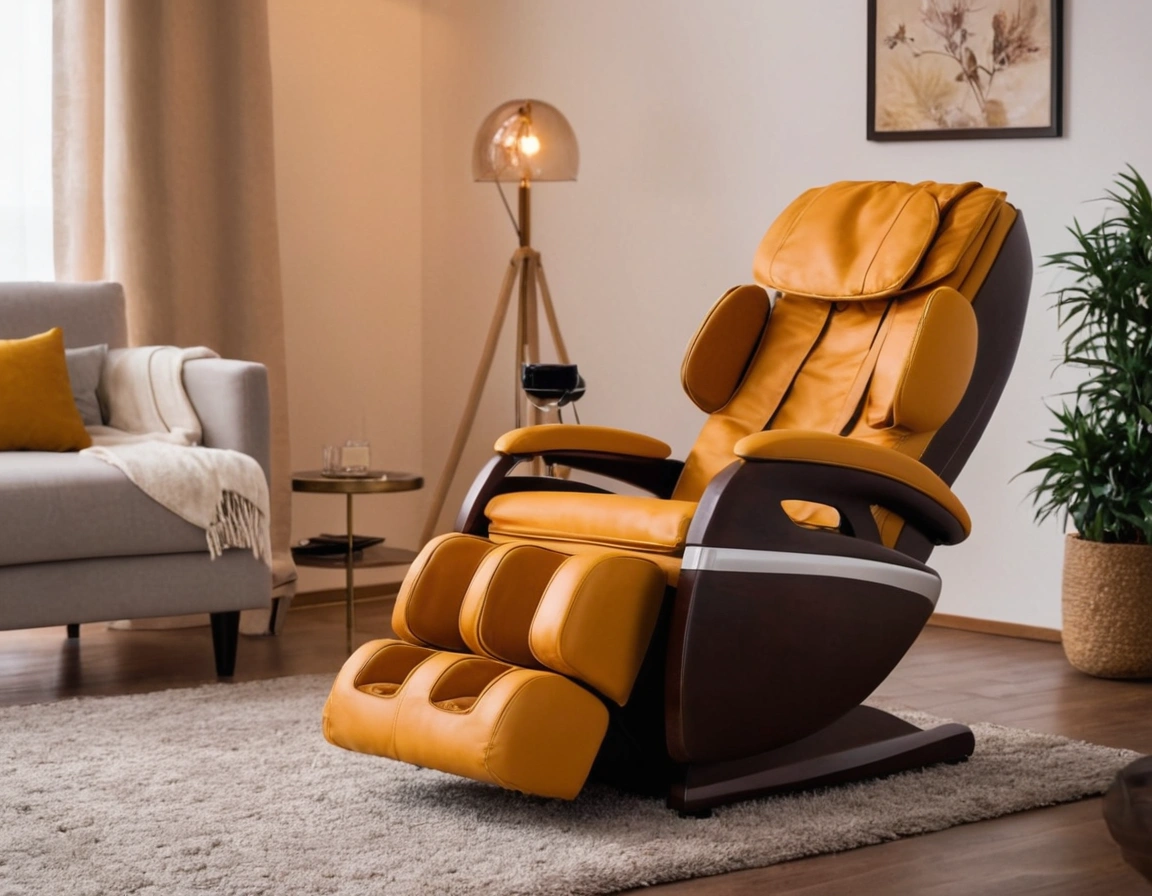
A stand-up massage chair isn’t just a recliner with a vibrator glued on. It’s a motorized lift chair with built-in massage therapy — and if you or someone you love struggles to get out of a seat, this thing changes your whole day. I’ve dug through manufacturer specs, Medicare rules, and real user complaints, and here’s the unfiltered version.
What a Stand-Up Massage Chair Actually Does
A lift massage chair combines two systems that rarely live together: a powered lifting mechanism that tilts the seat forward and raises you to a near-standing position, and a massage module (rollers, airbags, vibration, sometimes heat) built into the backrest and seat.
The lift part is the star. Most models use a linear actuator — basically a motorized piston — that pushes the entire seat frame up at a 45 to 60 degree angle. You don’t grip armrests and haul yourself out. The chair does the hauling. That’s the whole point.
The massage part is where things get messy. Cheap models slap in two vibration motors and call it a day. Serious models (think Osaki, Kahuna, or the higher-end Human Touch lines) run full roller tracks with body scanning, zero-gravity recline, and airbag compression on calves and hips.
The gap between a $400 Amazon special and a $2,500 real lift massage chair is enormous, and most buyers don’t realize it until the box arrives.
Who Actually Needs One (And Who’s Wasting Money)
If you have arthritis in the knees, post-surgery mobility limits, Parkinson’s, or you’re recovering from a hip replacement, a power lift chair with massage earns its keep fast. The assisted standing motion reduces strain on knees and lower back, and it cuts the risk of falls — which, for anyone over 70, is the real danger.
But here’s my honest take: if you’re fully mobile and just want a massage, buy a dedicated massage chair. You’ll get a better roller system for the same money. The lift mechanism adds cost and bulk that you don’t need. Don’t let a salesman talk you into it.
One more thing nobody mentions: these chairs are heavy. We’re talking 100 to 180 pounds. If you live alone, you’ll need help moving it, and you should measure your doorway before ordering. I’ve seen too many returns because the chair wouldn’t fit through the bedroom door.
The Real Benefits, Ranked by What Matters
Let me rank these by actual impact, not marketing fluff.
- Independence and fall prevention. This is the number one reason to buy. Getting up without grabbing a wall or calling for help is huge for dignity and safety. A lift chair with massage function is, at its core, a mobility aid.
- Circulation and muscle tension relief. The massage side genuinely helps with stiff legs, poor circulation from sitting all day, and lower back tightness. Airbag compression on the calves is underrated.
- Posture support. A well-built chair holds your spine in a neutral position. Bad recliners let you slump for hours, which wrecks your neck and lower back.
- Stress and sleep quality. A 20-minute session before bed does more for relaxation than scrolling your phone. Not magic, but real.
What to Check Before You Buy a Lift Massage Chair
Skip the pretty product photos and check these instead.
- Weight capacity and motor quality. Cheap actuators burn out in a year or two under daily use. Look for chairs rated at least 300 lbs with a UL-listed motor. If the listing doesn’t mention the actuator brand, assume it’s the cheapest one available.
- Recline positions. A real stand-up massage chair should offer infinite or at least three recline positions, plus a true zero-gravity option if you want the massage to actually decompress your spine. Two-position chairs feel like a compromise.
- Warranty on the lift mechanism. This is the dealbreaker. A good warranty covers the motor and frame for at least three years. One-year coverage on a motorized lift is a red flag — it tells you the manufacturer doesn’t trust its own parts.
- Remote and controls. Big buttons, backlit if possible, and a wired remote you can’t lose. Wireless remotes get lost under cushions constantly, and for someone with vision or dexterity issues, that’s a real problem.
Medicare, Insurance, and the Money Question
Here’s what most articles won’t tell you: traditional Medicare does not cover lift chairs as a standalone purchase. It may cover the lift mechanism as durable medical equipment (DME) if a doctor documents medical necessity, but the massage features are considered comfort upgrades and are never covered.
Some Medicare Advantage plans and Medicaid waivers are more flexible. If a doctor prescribes it for a documented mobility condition, you can sometimes get partial reimbursement on the lifting base. The massage part, though? That’s on you. Don’t buy a chair expecting insurance to pick up the tab unless you’ve confirmed it in writing first.
Prices in 2026 range from around $350 for a basic lift chair with vibration, up to $3,000+ for a full roller massage system with body scanning. The sweet spot for most people is $900 to $1,500 — you get a reliable actuator, a decent massage, and a warranty that means something.
The Bottom Line on Stand-Up Massage Chairs
A stand-up massage chair is a tool, not a luxury. If you or someone in your home needs help standing up, it’s one of the smartest purchases you can make — safer than grab bars, more comfortable than a hospital bed, and it doubles as a relaxation station.
If you don’t need the lift, save your money and buy a proper massage chair instead. Be honest with yourself about which camp you’re in, and you’ll end up with the right chair the first time.