

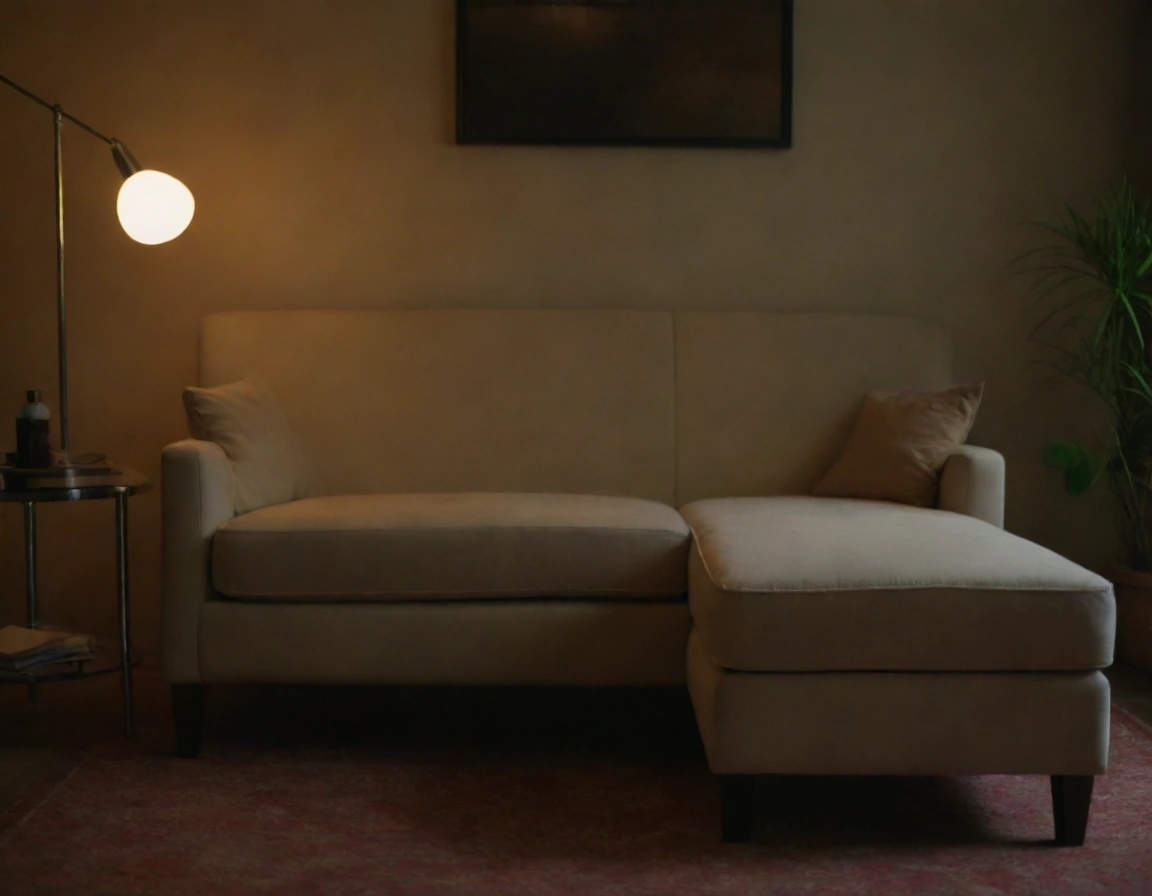
So you pulled the trigger on a chaise longue sofa. Good call. But here’s the thing nobody tells you at the showroom: the sofa alone is only 60% of the job. The other 40% is what you throw on it, next to it, and under it. Get that wrong and you’ve got an expensive piece of furniture that looks like it’s waiting for a bus.
I’ve spent way too long scrolling furniture forums, design subreddits and retailer guides to figure out what actually works. Below are the chaise longue accessories and add-ons that genuinely change how the thing feels and looks, plus the traps I’d avoid.
Cushions Are Non-Negotiable (But Stop Buying Six of the Same)
Every guide tells you cushions add comfort and color. True, but useless advice. The real question is how many and in what mix.
My rule: odd numbers win. Three or five cushions on a chaise longue sofa reads better than four or six, because symmetry on a piece this long looks stiff. Mix sizes — one big 60x60cm base cushion, two medium 45x45s, one small lumbar. That layering is what makes a chaise longue look styled rather than dumped on.
Color logic: if your sofa is neutral (beige, grey, off-white), go loud with cushions — rust, mustard, deep teal. If your sofa is already a statement piece, do the opposite. Pull a muted tone from within the sofa’s own palette. Fighting a patterned sofa with bold cushions is how living rooms end up looking chaotic.
Fabric matters more than people admit. Velvet cushions on a linen chaise longue sofa create nice contrast. Cotton on cotton goes flat. And if you have pets or kids, skip anything with tassels — they become chew toys within a week.
Throw Blankets: The Cheapest Way to Make a Chaise Longue Look Expensive
A throw blanket draped across one end of a chaise longue sofa does something no cushion can: it breaks the hard line of the furniture and adds softness. Designers call it ‘texture layering’ — I call it the five-second trick that makes your living room look like a magazine shoot.
Go for chunky knits or waffle weaves in wool or a wool-cotton blend for winter. For summer, a lightweight cotton or linen throw in a lighter tone stops the sofa looking heavy. Avoid pure acrylic if you can — it pills fast and looks cheap after two washes.
One blanket is enough. Two stacked blankets on a chaise longue looks like laundry day, not styling.
Side Tables: Get the Height Right or Don’t Bother
This is where most people screw up. A side table next to a chaise longue sofa should sit roughly level with the seat cushion, or slightly above. Too low and you’re bending awkwardly for your coffee. Too high and it visually crowds the sofa.
C-shaped tables that slide under the sofa base are genuinely useful for chaise longues because the chaise section is long — you can pull the table right over your lap. If you have the space, two small tables at different heights beat one big one. It looks intentional and gives you flex.
Material-wise, match the legs of your sofa if you want a cohesive look, or deliberately contrast (metal table, wooden sofa) if you want a bit of edge. What you don’t want is a table that’s almost-but-not-quite the same finish as the sofa. That in-between look is the worst of both worlds.
Lighting: The Accessory People Forget Until It’s Too Late
You can spend £2,000 on a chaise longue sofa and ruin it with one badly placed ceiling light. Harsh overhead light flattens texture and makes even good fabric look cheap.
What works: an arc floor lamp positioned behind the chaise end, angled down toward the seat. It creates a pool of warm light exactly where you read or scroll your phone, without lighting up the whole room. A dimmable table lamp on the side table is the second option — go for 2700K warm bulbs, not the 4000K cool white that makes everything look like an office.
Skip the trend of LED strips under the sofa. It photographs well on Instagram and looks like a nightclub in real life.
Rugs: Where Most Chaise Longue Setups Fall Apart
A rug under a chaise longue sofa isn’t decoration — it’s what stops the sofa floating in the middle of the room. The chaise longue is an awkward shape to anchor, so the rug does the heavy lifting.
Size rule: the rug should extend at least 20-30cm beyond the front edge of the chaise, and the front legs of the sofa should sit on it. If the rug is too small, it looks like a bath mat in front of a boat. Standard 200x300cm rugs work for most chaise longue sofas; go bigger if the room allows.
On material: a low-pile rug under a chaise longue sofa is practical because you’re often walking around it. High-pile shag looks great for about three months, then traps everything and becomes a nightmare to clean. Wool or a wool-viscose blend is the sweet spot for durability and feel.
Small Add-Ons That Punch Above Their Weight
Beyond the big five, these are the chaise longue accessories I’d actually buy:
- A tray on the chaise cushion itself — turns the flat end into a usable surface for a drink or laptop, and costs almost nothing.
- A lumbar support pillow if your chaise longue sofa has a low back. It fixes posture without changing the look.
- A cable clip or small side pouch for phone chargers. Sounds trivial until you’ve yanked a charging cable out of the wall for the tenth time.
- A sofa cover or throw if you have pets. Not glamorous, but it extends the life of the upholstery far more than any decorative cushion will.
What I’d Skip
Not everything marketed as a chaise longue add-on deserves your money. Oversized decorative pillows that cover the whole seat? They look good in photos and are useless in real life. Cup holders built into the sofa frame? Gimmick. And those ‘multi-functional’ sofa accessories with built-in Bluetooth speakers are the kind of thing you use twice and then resent.
The chaise longue sofa is already the most comfortable seat in most homes. The accessories that matter are the ones that make it easier to actually use — cushions you can lean on, a light you can read by, a table within reach. Style is the side effect, not the goal.