

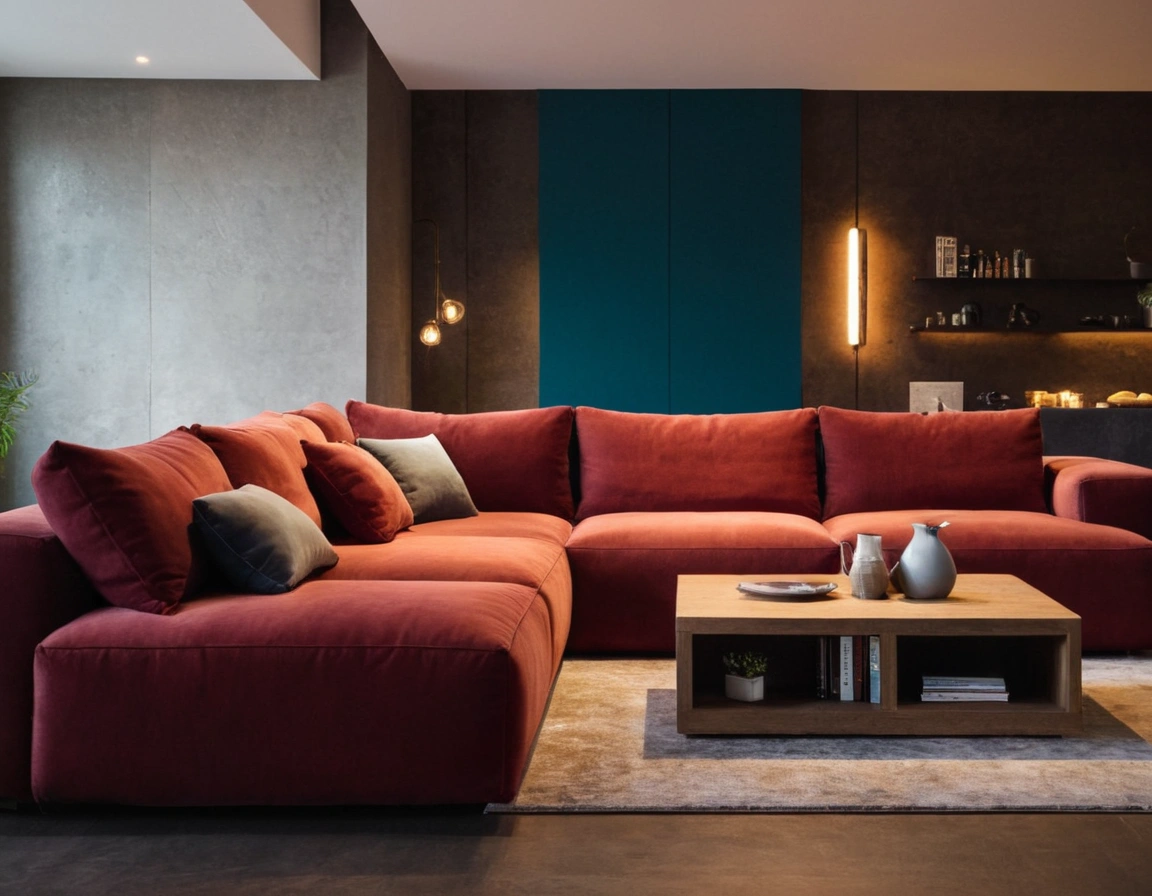
So you’re thinking about a reclining modular sofa. Good call, but let’s cut the fluff: most guides out there repeat the same generic advice and never tell you what actually matters when you’re dropping serious money on a piece of furniture you’ll use every single day.
I’ve dug through manufacturer specs, owner complaints on forums, and showroom realities to give you the straight story for 2026.
The Market Has Shifted Hard
The reclining modular sofa market has shifted hard in the last two years. Power recliners with USB-C ports, zero-gravity mechanisms, and modular pieces that actually lock together properly are no longer niche — they’re the default in mid-range and premium lines.
If you’re still shopping like it’s 2020, you’re going to overpay for outdated tech.
What Actually Makes a Modular Sofa Reclining (And Why It Matters)
A reclining modular sofa isn’t just a regular sectional with a footrest slapped on. The reclining mechanism has to be integrated into the module’s frame, which changes everything: weight, structural reinforcement, and how the pieces connect to each other.
There are three real types you’ll find in 2026:
- Manual push-back recliners: Cheaper, lighter, no electricity needed. Downside: you have to push with your legs, and the mechanism wears out faster in high-use homes.
- Power recliners with wall-hugger design: These slide forward instead of back, so you can put them 4-6 inches from the wall. Essential for apartments.
- Zero-gravity power recliners: The seat tilts to distribute weight like a NASA launch position. Great for back pain, but they need more depth clearance.
Here’s the thing nobody tells you: a reclining modular sofa with power mechanisms needs a power source near every reclining seat. If your living room only has outlets on one wall, you’re either running cables across the floor or paying an electrician. Factor that into the budget before you fall in love with a config.
How to Pick the Right Configuration for Your Space
Measure twice, buy once. That’s not cliché — it’s the difference between a sofa that works and one you resent. For a reclining modular sofa, you need two measurements: the wall-to-wall distance and the depth clearance when fully reclined.
Most power recliners extend 60-70 inches from the back when fully open. Wall-huggers cut that to about 6-10 inches of travel. If your living room is under 12 feet deep, wall-hugger mechanisms aren’t optional — they’re mandatory.
L-shaped configurations with a chaise on one end and a recliner on the other are the sweet spot for most families. You get lounging space and reclining space without turning the room into a showroom maze.
U-shaped setups look great in catalogs but eat floor space like crazy — only go there if you have 16+ feet of width.
Materials: What Survives Real Life
Leather still wins for reclining modular sofas, but not all leather. Bonded leather peels within 3-5 years, especially on the high-wear areas where your body slides during reclining. Top-grain or full-grain leather lasts decades and actually gets better with age.
If you want fabric, look for performance weaves like olefin blends or solution-dyed acrylics. They resist stains and don’t pill where the recliner mechanism rubs. Regular cotton or linen blends will show wear at the pivot points within two years — I’ve seen it repeatedly in owner reviews.
Color matters more than you think. Dark colors hide the creases that form at the reclining hinge. Light colors show every bit of wear and dirt. Mid-tone greige or charcoal is the practical pick if you actually use the sofa.
The Mechanism Is Where Cheap Sofas Die
Ask any furniture repair tech: 80% of reclining sofa failures are mechanism failures, not frame or upholstery failures. The motor, the linkage, the control board — that’s where budget brands cut corners.
Look for mechanisms rated for at least 25,000 cycles. That’s roughly 10 years of daily use. German and American mechanism brands (Leggett & Platt, Okin, Dewert) are the ones repair shops actually stock parts for. Off-brand Chinese mechanisms are cheaper but often unrepairable — when they fail, the whole seat is scrap.
Test the mechanism in the showroom. Push it through its full range slowly. Listen for grinding, feel for uneven motion, and check that the footrest locks firmly at the top. If it wobbles in the showroom, it’ll be worse at home.
Budget Reality Check for 2026
A decent reclining modular sofa starts around $1,800 for a 3-piece manual config in fabric. Power mechanisms push that to $2,500-$3,500. Premium leather with zero-gravity power and a 10-year warranty runs $5,000-$9,000.
Anything under $1,200 for a reclining modular sofa is a red flag. You’re getting bonded leather, an off-brand mechanism, and a frame that’s probably particle board. It might last three years. It might not.
My honest take: if you can’t afford the $2,500 tier, buy a non-reclining modular sofa now and save for the reclining one later. A quality static sofa beats a cheap recliner every time.
Frequently Overlooked Details That Matter
Check the seat height. Reclining sofas often sit lower than standard sofas to accommodate the mechanism. If you’re tall or have knee issues, a 17-inch seat height will feel like sitting on the floor.
Check the warranty terms carefully. Many brands cover the frame for 10 years but the mechanism for only 1-2 years. That’s backwards — the mechanism is the part that breaks.
Check the return policy. Reclining modular sofas are heavy and awkward to ship back. Some retailers charge 20% restocking fees. Know before you buy.
And check whether the modules actually lock together. Some “modular” reclining sofas just sit side by side and slide apart every time you recline. Look for interlocking brackets or connector plates.
The Bottom Line on Buying Smart
A reclining modular sofa is a 10-year purchase. Treat it that way. Prioritize the mechanism quality over the upholstery, the wall clearance over the aesthetic, and the warranty on moving parts over the frame warranty. Get the power outlet situation sorted before delivery day. And for the love of your lower back, sit in the thing for at least 15 minutes in the showroom before you commit.
Do that, and you’ll end up with a sofa that actually earns its place as the heart of your living room — not another piece of furniture you regret every time you sit down.