

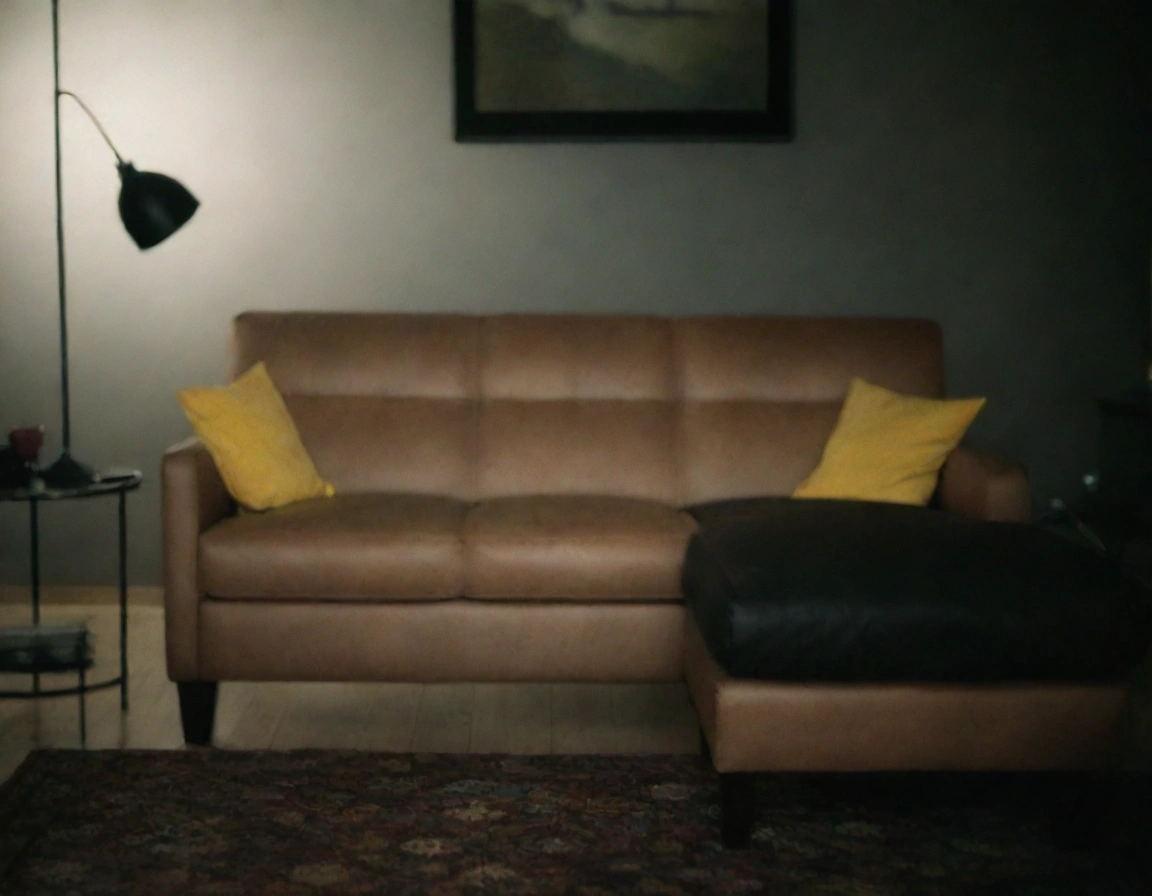
Let’s be honest: a chaise longue sofa without cushions looks like a showroom piece nobody actually lives in. The chaise is the one spot in your living room where you actually sprawl, read, nap, or hide from your family for 20 minutes.
Cushions are what turn that long seat into the best corner of the house. Get them wrong and it looks like you bought a random pack at a discount store. Get them right and people ask where your interior designer went to school.
I’ve rearranged enough sofas to know the difference between a chaise longue sofa that works and one that just takes up space. So here’s the real, no-fluff breakdown of how to choose and place cushions on a chaise longue sofa in 2026.
Size and Shape: The Chaise Isn’t a Normal Sofa
Here’s the mistake almost everyone makes: they treat the chaise longue sofa like a regular three-seater and buy cushions in uniform sizes. That’s why so many chaise sofas look flat and boring.
The chaise section is long and low. It needs big, deep cushions to anchor the visual weight, usually one oversized square (around 22–24 inches) right where the back meets the chaise. That single cushion does more for the look than five small ones ever will.
Then layer down. A 20-inch square, then an 18-inch, then a small rectangular or lumbar cushion right at the front edge where your lower back lands when you actually sit on the chaise. That lumbar is not decorative — it’s the one that makes the chaise usable for long stretches.
Mix shapes on purpose. Square plus rectangular plus one round breaks the grid and adds depth. All squares look like a hotel lobby. All rectangles look like a waiting room.
Fabric and Filling: What Actually Holds Up
The filling is where people get ripped off without knowing it. Feather fillings feel incredible for about six months, then they flatten into sad pancakes unless you fluff them weekly. If you want the cushioned chaise longue sofa look that lasts years, go feather-and-foam blends or high-density foam wrapped in down. That combo gives you the sink-in feel without the collapse.
Pure synthetic fiber is the budget option. It’s firmer, easier to clean, and honestly better if you have kids, pets, or a habit of eating on the sofa. Don’t let anyone shame you out of polyester fill — it’s practical and it holds shape better than cheap feather.
For fabric, match the texture of your chaise longue sofa, not the exact color. A soft bouclé or velvet sofa pairs badly with stiff linen cushions — the contrast feels accidental. If your sofa is smooth leather, go for something with visible texture like woven cotton or chenille. Removable covers are non-negotiable. If you can’t unzip and wash it, don’t buy it.
Rule I actually follow: if a cushion can’t survive a 30°C machine wash, it doesn’t belong on a sofa people use daily.
Color and Pattern Without Ruining the Room
This is where most chaise longue sofa setups fall apart. People either play it so safe everything looks beige and dead, or they go loud and it looks like a carnival.
Pick one focal cushion in a bold color or a strong pattern, then keep the rest in tones pulled from the room — the rug, the wall, the art. That one cushion is your accent, and it should sit on the chaise, not on the main seat. Because the chaise is the eye’s natural landing spot, a patterned cushion there draws attention exactly where you want it.
If your chaise longue sofa is already a statement piece — bright color, bold pattern, unusual shape — go solid on the cushions. Match a secondary color from the sofa itself, not a random tone. Competing patterns on a chaise sofa look chaotic, not designed.
Neutral rule I’d defend every time: one pattern, one bold color, everything else quiet. That’s the formula that photographs well and lives well.
How to Actually Place Cushions on a Chaise Longue Sofa
Placement is where most guides get vague. Here’s the exact layout I use on a chaise longue sofa:
- Back corner of the chaise: one large square cushion (22–24″). This is the anchor.
- Along the chaise length: a mid-size square (18–20″) leaning against the backrest, not flat.
- Front of the chaise: a lumbar or rectangular cushion where your lower back hits when you recline.
- Main seating area: two or three cushions per side, largest at the back, smallest at the front.
Don’t line cushions up like soldiers. Angle them, overlap them slightly, and let one sit at a different tilt. That imperfection is what makes a chaise longue sofa look styled rather than staged.
If you want a more relaxed, lived-in vibe, alternate sizes and skip a cushion entirely on one side. Negative space on a chaise reads as confidence, not emptiness.
Maintenance That Keeps It Looking New
A chaise longue sofa gets more body contact than any other piece of furniture you own. That means sweat, oils, crumbs, and sunscreen. Rotate your cushions every couple of weeks so wear is even, and fluff feather fills weekly.
Use removable, washable covers and check the care label before the first wash — some fabrics shrink, some bleed. A fabric protector spray is worth it if the chaise sits near a window or gets daily use. And if your cushions start losing shape, don’t replace them: add an inner insert, or swap the filling for a firmer foam core. That single move extends the life of a chaise longue sofa cushion setup by years.
Bottom line: a chaise longue sofa lives or dies by its cushions. Get the size mix right, choose a filling that survives real life, keep one bold accent, and place them so they actually support your body — not just your Instagram feed. Do that and the chaise becomes the seat everyone fights over.