

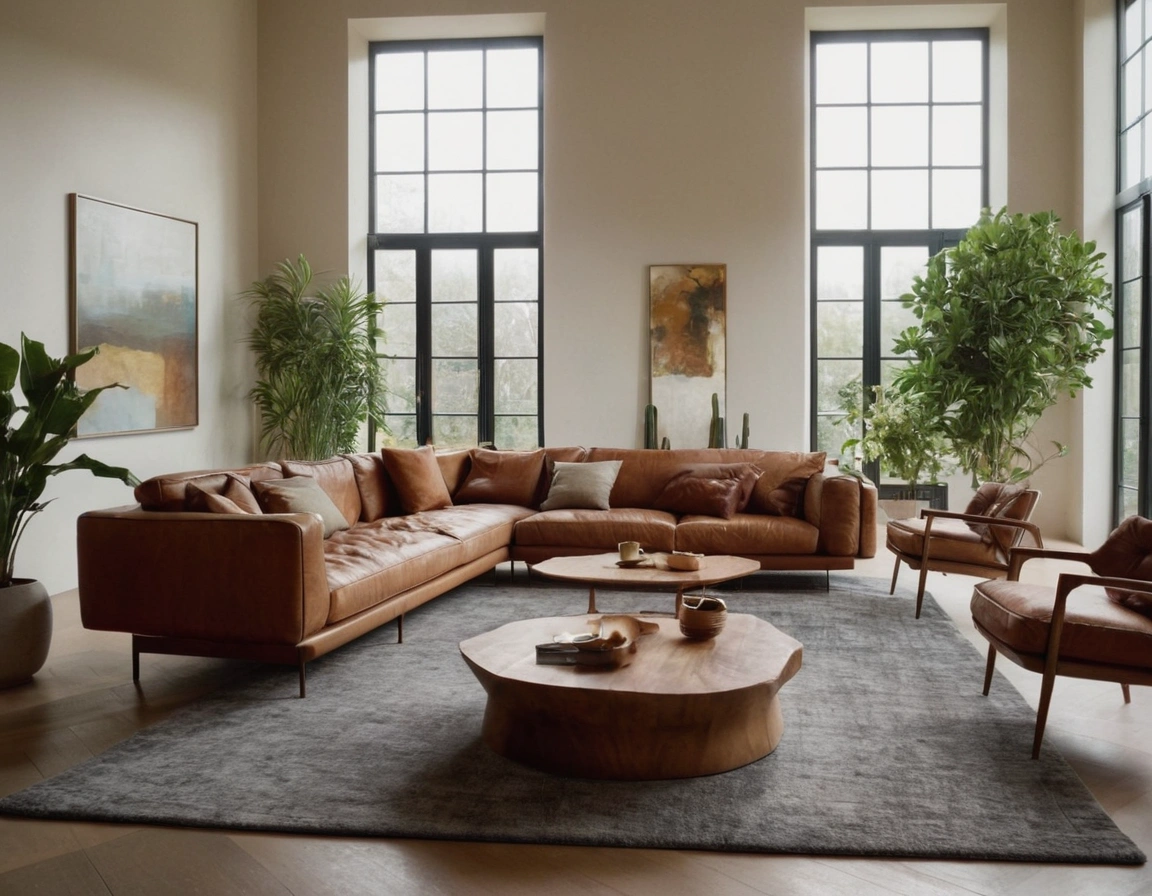
Let’s cut the fluff: most people buy an L-shaped sofa wrong. They measure the wall, pick a color they like, and then spend five years regretting it because the corner sticks out, the chaise ends up on the wrong side, or the fabric looks like a crime scene after one Netflix marathon. I’ve been through this twice, and I’ve watched friends make the same mistakes. So here’s the real talk on how to get an L-shaped sofa that actually works in your living room in 2026.
Why the L-Shaped Sofa Is Still the Smartest Buy for Any Living Room
A corner sofa does something a regular three-seater can’t: it defines the room. You stick it in a corner and suddenly you’ve got a conversation zone, a movie zone, and a nap zone without moving a single wall.
The trick is orientation. Before you spend a cent, decide which side the chaise goes on. If your living room door opens to the left, you probably want the chaise on the right, otherwise you’ll be squeezing past it every single day. Sounds obvious? Half the people I know got this wrong.
Also think about the L-shaped sofa dimensions. A standard corner sofa runs between 240 and 300 cm on the long side. If your living room is under 20 m², don’t go past 260 cm or you’ll kill the walkway. Small space? A compact L-shaped sofa with a narrow chaise (around 160 cm deep) is your best friend.
Modular vs Fixed: Pick Your Poison
Modular L-shaped sofas are having a moment, and for good reason. You can flip the chaise, add an armless middle seat, or split the whole thing into two sofas when you move to a bigger place.
The catch? Modular pieces can slide apart on hardwood floors. If you go modular, get one with connectors or anti-slip pads. Fixed corner sofas are sturdier and usually cheaper, but you’re stuck with the layout forever. My take: if you rent or move every few years, go modular. If you own and you’re staying put, save the money and buy fixed.
There’s also the L-shaped sofa with chaise longue option, which is basically a modular sofa with one extended seat. That extra 60–70 cm of length is where you’ll actually live. It’s the difference between sitting and sprawling.
Fabric Matters More Than You Think
Here’s where people cheap out and regret it. A modern L-shaped sofa in a gorgeous light beige boucle looks amazing in the showroom. Six months later, with a dog and a toddler, it looks like a Jackson Pollock painting.
If you’ve got kids or pets, go for microfiber, synthetic leather, or performance weaves like those with stain-resistant treatments. They wipe clean, they don’t pill, and they survive spilled wine. If your living room is adults-only and low-traffic, linen and velvet are fine, just don’t say I didn’t warn you.
One more thing: check the L-shaped sofa frame material. Solid wood or hardwood plywood will last 10+ years. Particleboard? Maybe five, and it’ll start creaking at year three. Ask the seller. If they can’t tell you, walk away.
Ergonomics: The Feature Nobody Talks About
A sofa that looks good but wrecks your back is a bad sofa. Period. Seat height should land between 42 and 45 cm from the floor so your feet touch flat. Backrest angle should be around 100–110 degrees, not the 90-degree upright that feels like a church pew.
Seat depth matters too. For an ergonomic L-shaped sofa, 55–60 cm is the sweet spot. Deeper than 65 cm and shorter people end up perched on the edge like they’re waiting for a bus.
And if you work from home on that sofa, don’t. Get a proper chair. Your lumbar spine will thank you.
Color, Layout, and the Rule Most People Ignore
Neutral tones (greys, taupe, off-white) sell the most for a reason: they don’t fight with anything. But if your living room is already beige-on-beige, an L-shaped sofa in deep green, navy, or terracotta becomes the anchor piece. That’s where you spend your design budget.
The rule: your corner sofa should be the biggest single block of color in the room. Everything else (rug, cushions, curtains) plays off it. Break that rule and your living room looks like a showroom exploded.
Also, leave at least 40 cm between the sofa and the coffee table. Any less and you’ll be playing footsie with your furniture every night.
L-Shaped Sofa vs Traditional Sofa: The Honest Comparison
A traditional three-seater gives you flexibility to rearrange. An L-shaped sofa gives you more seating per square meter and a defined zone. In a living room under 25 m², the L-shape almost always wins because it uses the dead corner.
But if your living room is long and narrow, an L-shaped sofa can choke the space. In that case, a straight sofa plus two armchairs is the smarter call.
Buying tip: sit on the sofa for at least 10 minutes in the store. If the salesperson rushes you, that’s your sign the cushions are cheap.
Final Word Before You Swipe Your Card
Measure twice, decide which side the chaise goes, pick a fabric that matches your real life (not your Pinterest board), and don’t compromise on the frame. Do that and your L-shaped sofa will outlast your next two apar