

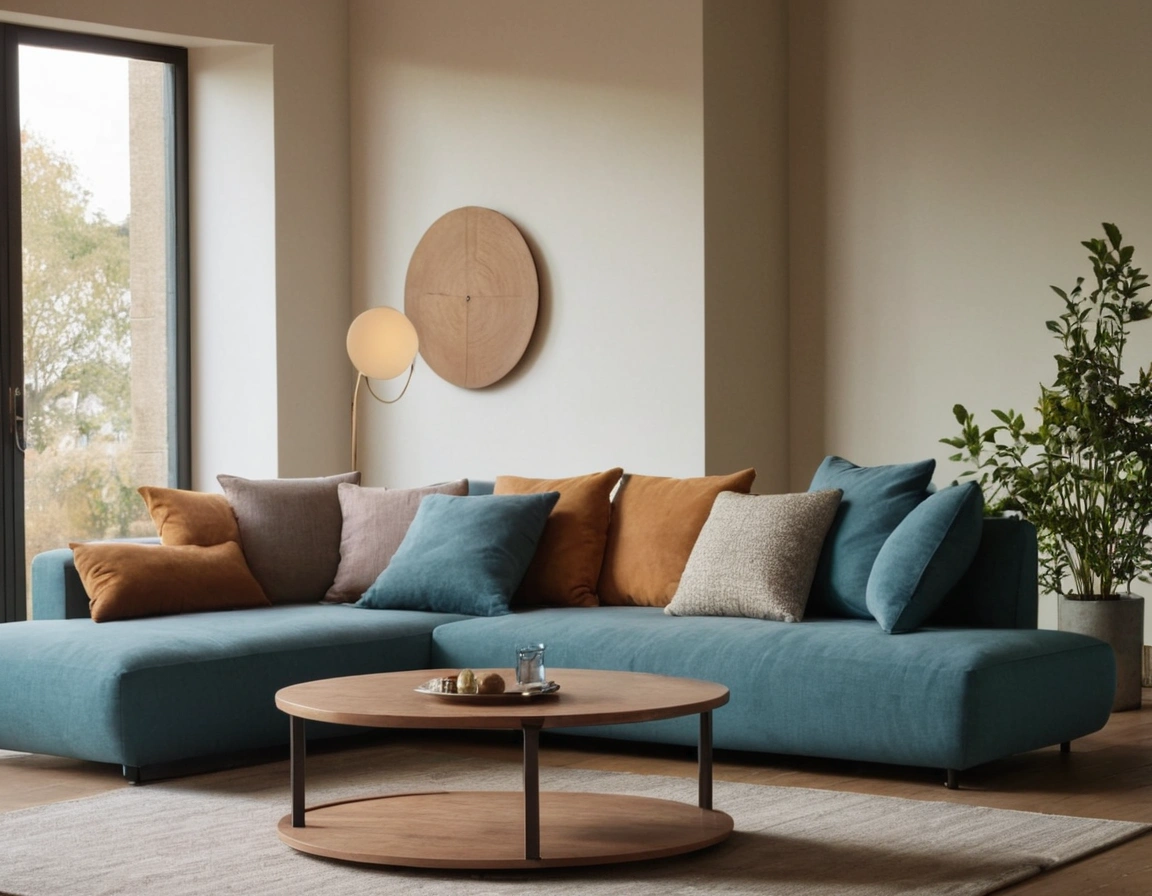
So you’ve got a modular sofa. Smart move. They’re basically the Swiss Army knife of living room furniture, and you already know that. But here’s the thing nobody tells you: without a pouf, you’re only using half of what that sofa can actually do.
A pouf for a modular sofa isn’t just an extra cushion you dump in the corner. It’s the piece that turns a rigid seating arrangement into something that actually bends to your life. And picking the right one? That’s where most people screw up.
Why a Modular Sofa Pouf Changes the Whole Game
Let’s cut the fluff. A pouf for a modular sofa is a standalone module — usually square or round — that you can slot into your existing setup or move around whenever you feel like it. It’s not glued to anything. That’s the whole point.
Unlike a fixed ottoman or a chaise that’s bolted to one side, a modular sofa pouf adapts. Movie night for six people? Pull it in as a seat. Sunday afternoon with a book? Kick your feet up. Random Tuesday and you need a surface for a tray of snacks? Flip a firm one over and voilà.
The modular sofa pouf market has exploded in 2026. You’ve got everything from cheap foam cubes at big-box stores to memory-foam-and-bouclé pieces that cost as much as a decent armchair. Knowing which one belongs next to your sofa is the difference between “that looks intentional” and “that looks like you gave up.”
Size Matters More Than You Think
Here’s where people get lazy. They buy a pouf online because the color matches, then it arrives and it’s either a coffee-table-sized monstrosity or a tiny stool that looks like a kid left their seat behind.
Rule of thumb: your modular sofa pouf should be within 10–15% of the seat height of your sofa modules. If your sofa seat sits at 17 inches, don’t buy a 12-inch pouf. Your legs will dangle and it’ll look off. Match the height and the depth where possible, especially if you plan to line it up alongside the sofa as an extension.
Width-wise, a 24×24 inch or 28×28 inch square pouf is the sweet spot for most modular sofas. Round poufs work too, but they’re harder to line up flush against square modules — so if symmetry matters to you, go square. If you like a softer, more organic look, round is fine but be honest about your OCD level first.
Materials: What Actually Holds Up
Bouclé is everywhere in 2026 and it looks fantastic — for about six months. If you’ve got pets or kids, skip it. Performance velvet and textured weave fabrics are the real workhorses. They wipe clean, they don’t pill as fast, and they still look like you spent real money.
For the filling, high-density foam (at least 1.8 lb/ft³) is the baseline. Cheap poufs use shredded foam or beanbag fill and they go flat within a year. Memory foam tops feel luxurious but can get warm. A foam core with a memory foam topper is the compromise most people end up loving.
If a pouf costs less than $80 and claims to be “premium,” it isn’t. You’re paying for fabric, not structure.
Legs matter too. Wooden legs elevate the look and let air circulate underneath. Hidden plastic feet are lighter and cheaper but scream “budget.” Metal legs can scratch hardwood — put felt pads on them, always.
Functionality: Storage, Sleep, or Just Sitting?
Ask yourself one question before buying: what’s this pouf actually doing?
- Extra seating: Go firm, at least 17 inches tall, with a supportive foam core. No fluffy toppers.
- Footrest: Softer is fine, but not so soft your heels sink to the floor.
- Storage: Lift-top or drawer models are gold for blankets, remotes, and kids’ toys. Just check the lid mechanism — cheap hinges break fast.
- Occasional guest bed: Convertible poufs that unfold into a small mattress exist and they’re surprisingly decent for one night.
Don’t try to get one pouf that does all four perfectly. It won’t. Pick the primary job and accept the compromise.
Color and Shape: Match or Contrast?
Two schools of thought. Matching your modular sofa pouf to the sofa fabric creates a seamless, monolithic look — very high-end, very gallery. Contrasting it (bold color, different texture, patterned) makes it feel like a deliberate accent piece.
My take: contrast wins in most homes. A cream sofa with a rust or olive pouf looks curated. A cream sofa with a cream pouf just looks like you bought the matching set and called it a day. If you’re unsure, pull a color from an existing rug, artwork, or throw pillow and match the pouf to that instead.
Where to Place the Pouf So It Actually Works
Placement isn’t random. The most common and effective spot is at the open end of an L-shaped modular sofa — it closes the conversation circle and gives the arrangement a finished shape.
In the center of a U-shaped configuration, a modular sofa pouf becomes a focal point and doubles as a coffee table with a tray on top. Just make sure there’s at least 14–18 inches of walking space around it. Nothing kills a living room faster than furniture you have to sidestep.
You can also use two smaller poufs as a bridge between two separate sofa sections. It’s a trick interior designers use to make a big room feel intentional instead of scattered.
Mistakes That Make a Pouf Look Cheap
Sagging corners. Visible seams that don’t align with the sofa’s lines. A pouf that’s clearly a different shade of “beige” than the sofa. Any of these and the whole setup reads as an afterthought.
Also: don’t buy a pouf that’s heavier than you can lift with one hand. The entire value of a modular sofa pouf is that you can move it without help. If it’s got a solid wood frame and weighs 40 pounds, you’ve basically bought a second ottoman.
The Bottom Line on Picking Your Pouf
Measure your sofa seat height. Decide the primary function. Pick a fabric that survives your actual life, not your Pinterest board. Then place it where it closes a gap or creates a focal point — not where it blocks the path to the kitchen.
Get those four things right and your modular sofa pouf stops being an accessory and starts being the piece everyone asks about when they walk in.