

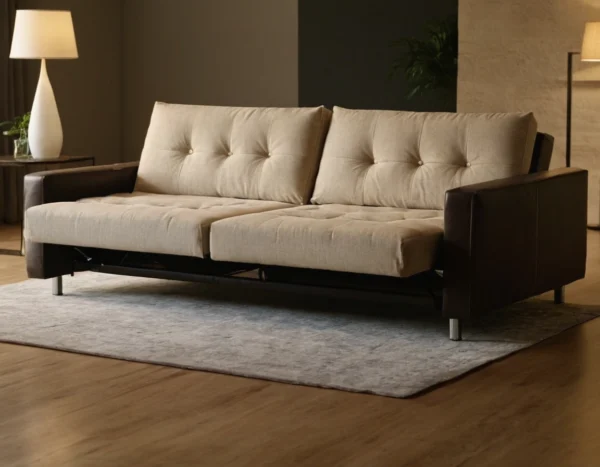
So your fabric sofa looks like a crime scene and smells like a wet dog. Before you panic and start calling upholstery shops, hear me out: you can Deep Clean a Sofa at home without ruining the fabric, and I’m going to tell you exactly how. No fluff, no sponsored nonsense.
First: Know Your Fabric or You’ll Regret It
Every sofa has a care code tag hidden under the cushions or behind the base. That little letter matters more than any TikTok hack.
- W means water-based cleaners are fine.
- S means solvent only — water will leave rings.
- WS means both.
- X means vacuum only, no liquids at all.
If the tag is gone, do a test patch on the back of the sofa with your chosen sofa cleaning solution. Wait 24 hours. If the color shifts or the fiber puckers, you dodged a bullet.
Homemade Deep Clean Sofa Method That Actually Works
Here’s the mix I keep coming back to after trying dozens: one cup of warm water, a quarter cup of white vinegar, a teaspoon of mild dish soap, and a few drops of essential oil if the smell bothers you.
Whip it with a hand mixer until it turns into a thick foam. Apply only the foam with a soft brush or microfiber cloth. The liquid underneath is what causes moisture damage and mold — the foam lifts dirt without soaking the cushions.
Work in sections. Scrub in circles, not back and forth. Then wipe with a clean damp cloth and let it air dry with windows open.
Baking Soda for Odors and Grease
Sprinkle a generous layer of baking soda over the whole sofa, let it sit for at least two hours (overnight is better), then vacuum it up. This pulls out grease and neutralizes odors better than most commercial powders.
For pet accidents, mix baking soda with a few drops of hydrogen peroxide on the spot first.
Steam Cleaner: The Best Tool for Fabric Sofas
A steam cleaner for sofa is the closest thing to a professional deep clean you can do yourself. The heat kills dust mites, bacteria, and most of what makes your couch smell funky.
Vacuum first — seriously, skip this step and you’ll just be steaming dirt deeper into the fabric. Then use the upholstery attachment and move in slow overlapping passes. Don’t hold the nozzle in one place for more than a couple of seconds.
Cotton, linen, and most synthetic blends handle steam fine. Velvet, silk, and anything marked S or X? Keep the steamer away.
Enzymatic Cleaners Beat Everything for Tough Stains
Wine, coffee, pet urine, blood — these are protein and tannin stains, and regular soap barely touches them. An enzymatic upholstery cleaner breaks down the organic compounds at a molecular level.
Spray it, cover with a damp cloth, and let it sit for 10 to 15 minutes. Then blot — never rub — from the outside of the stain toward the center so you don’t spread it.
Skip bleach and ammonia entirely. They discolor fabric and are toxic in enclosed rooms.
Leather Sofas Are a Whole Different Game
Never steam leather. The heat cracks the finish and dries out the hide. Instead, use a pH-balanced leather cleaner and a microfiber cloth, working with the grain.
Follow up with a leather conditioner every three to four months. It’s the difference between a sofa that looks new after five years and one that looks like a dried-out saddle.
Spills on leather are an emergency. Blot immediately — leather absorbs liquids fast, and once it’s in, it’s in.
Renting a Machine vs Hiring a Pro
If your sofa hasn’t been cleaned in years, consider renting an upholstery cleaning machine from a hardware store. These use hot water injection and extraction, which pulls out embedded dirt a spray bottle never will.
Pro services go further with truck-mounted extraction and pre-treatment chemicals. Expect to pay $150 to $400 depending on size and condition. Worth it if the sofa is valuable or the stains are ancient.
Whatever route you pick, the rule is the same: less water, more patience. Excess moisture is what causes mold and that musty smell nobody wants to talk about.
How Often Should You Deep Clean a Sofa?
Once every six months for a normal household. Every three months if you have pets, kids, or someone with allergies. Weekly vacuuming in between makes those deep cleans way easier.
And please — rotate and flip your cushions monthly. Uneven wear is what makes a clean sofa still look tired.
Quick Answers People Keep Searching For
Can I use a carpet cleaner on a sofa? Yes, if it has an upholstery attachment and your fabric code allows water.
How do I remove sweat smell from a sofa? Baking soda overnight, then vacuum. Vinegar spray for stubborn cases.
Is vinegar safe for all fabrics? No. Test first, and never use it on leather or silk.
Can I dry-clean a sofa cushion? Some covers are removable and machine washable — check the label inside the zipper.
Do this right, and your deep clean sofa routine takes an afternoon twice a year. Do it wrong, and you’re buying a new couch. The choice is yours.