

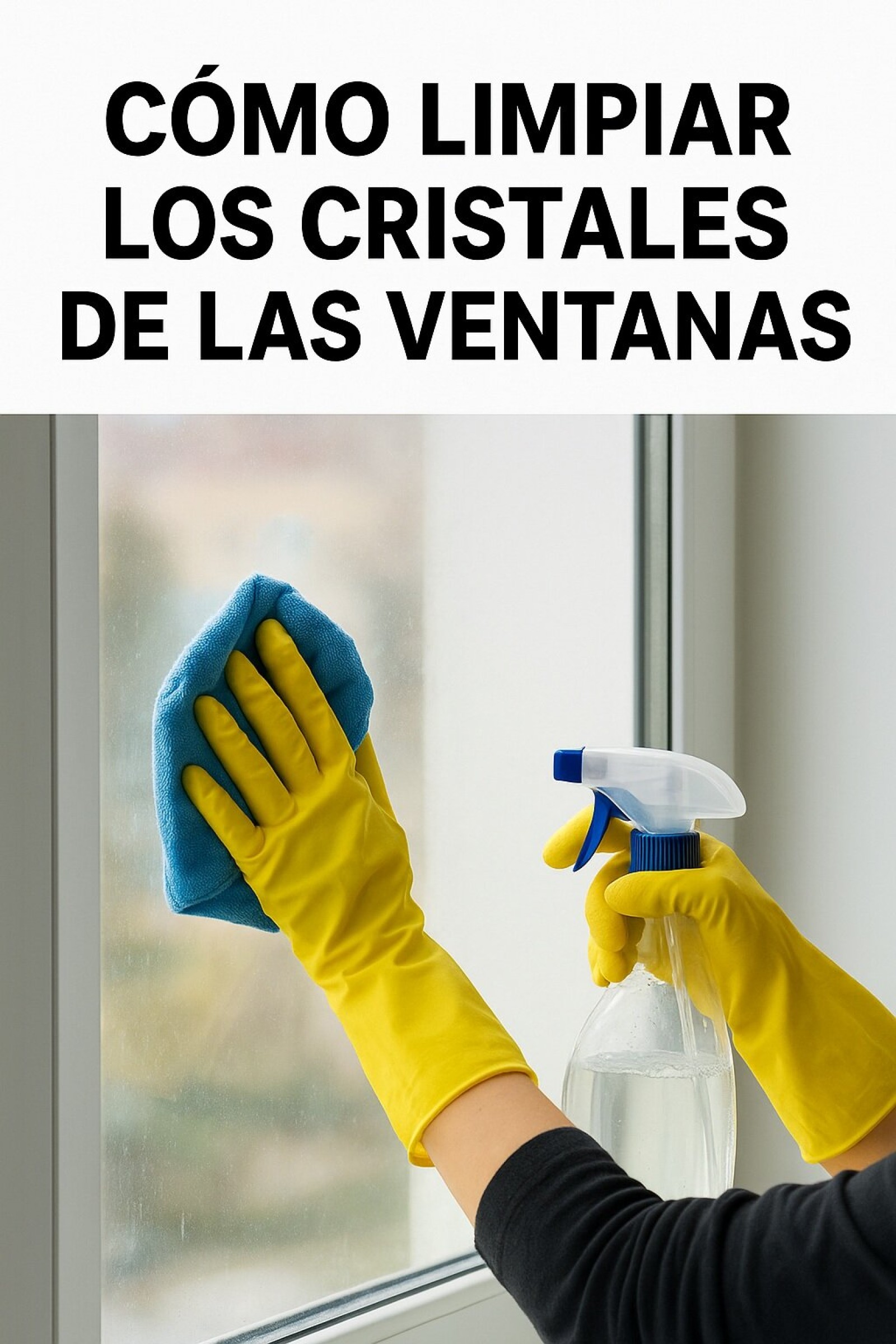
Cleaning glass looks like a five-minute job until you’re staring at a window that’s somehow dirtier than before you started. I’ve been there. Smudges, lint, that weird haze that shows up the moment sunlight hits the pane. After digging through forums, pro window-washer posts and a few surprisingly nerdy chemistry threads, here’s what actually works in 2026 — and what’s a total waste of your time.
The Real Reason Your Glass Ends Up Streaky
It’s not the product. It’s the drying. Almost every streak-free glass cleaning failure comes down to liquid drying on the surface before you can remove it properly. If you clean under direct sun, the water evaporates in seconds and leaves behind every mineral and soap residue it was carrying.
Clean on a cloudy day, early morning, or when the glass is in shade. That single change fixes more than half of the complaints people post online about how to clean windows without streaks.
Second culprit: paper towels. They shed fibers and smear whatever they’re carrying. If you’re still using them on glass, stop. That’s the whole tip.
The Method That Actually Delivers a Spotless Finish
Start by knocking off dust with a dry microfiber cloth or a soft brush. Never spray liquid onto dusty glass — you’re just making mud.
Then mix warm water with a drop of mild dish soap. Two drops, not a squirt. Too much soap is the number one cause of that filmy haze people blame on “hard water.” Apply with a sponge or a soaked microfiber, working top to bottom.
Now the important part: dry it. A squeegee is unbeatable on large panes. Overlap each pass by an inch, wipe the rubber blade clean between strokes, and finish the edges with a bone-dry microfiber cloth.
No squeegee? Use a clean microfiber cloth in straight, single-direction strokes. Not circles. Circles just redistribute the dirt.
Best Homemade Glass Cleaner (Without the Gimmicks)
There’s a lot of noise online about DIY mixes. Most of them work. A few are nonsense. Here’s the honest breakdown.
Vinegar and water, 1:1. This is the classic homemade glass cleaner for good reason — vinegar dissolves hard water deposits and cuts grease. The smell vanishes once it dries. For heavy mineral buildup, use vinegar undiluted.
Isopropyl alcohol and water, 1:1, plus a teaspoon of mild soap. This is my go-to for bathroom mirrors. Alcohol evaporates fast enough that streaks barely have time to form. It’s also the best option in cold weather, where water-based mixes dry painfully slowly.
Dish soap alone is fine for greasy kitchen glass but leaves residue if you overdo it.
What About Baking Soda?
Baking soda paste is genuinely useful — but not for everyday cleaning. It’s a mild abrasive, so it’s meant for stuck-on problems: hard water crust, dried cement splatter, paint flecks. Make a thick paste, rub gently with a cloth, rinse thoroughly, then do a normal vinegar or alcohol pass.
Using baking soda on a regular basis will slowly micro-scratch some low-quality glass. Don’t make it your default. The title of this guide says “without baking soda” for a reason — because most people don’t need it, and misuse it.
Distilled Water: When It’s Worth It and When It Isn’t
Here’s a claim that gets repeated everywhere: distilled water is essential for streak-free glass. Half true.
If your tap water is hard — high in calcium and magnesium — then yes, cleaning glass with distilled water genuinely makes a difference. Those minerals are exactly what leaves white spots behind after drying. Distilled water has none.
If your tap water is soft, you’re wasting money. Test it: fill a glass, let it evaporate on a clean plate. If it leaves a residue ring, switch to distilled for your final rinse. If not, save your cash.
The smart middle ground for hard water areas: clean with your normal solution, then do a final wipe with distilled water. That’s where the real payoff is.
The Newspaper Trick: Actually Worth Trying
Yes, it sounds like something your grandmother said. It also has a real basis. Newspaper doesn’t shed lint the way paper towels do, and the ink acts as a mild polishing agent. The rough texture lifts residue without scratching.
Spray your cleaner, then rub with a crumpled ball of newspaper while the glass is still wet. Finish with a dry ball for the shine. Wear gloves — the ink will stain your hands.
Is it better than a good squeegee? No. But if you’ve got newspaper lying around and you’re curious, it works better than you’d expect. Many pros still finish with it on interior glass.
Efficiency Tricks That Save You an Hour
Clean the frames first. Always. If you do the glass first, dust from the frame drops straight onto your clean pane and you’re back to square one. Vacuum or wipe the frame and sill, then move to the glass.
Work in a consistent pattern — vertical on the inside, horizontal on the outside. This isn’t just for looks: when a streak shows up, you instantly know which side it’s on.
Keep two microfiber cloths on you. One slightly damp for touch-ups, one bone-dry for polishing. Two-cloth finishing is the difference between “clean” and “invisible.”
Wash your microfiber without fabric softener. Softener leaves a coating that turns every wipe into a smearing event, and no amount of technique will save you.
Cleaning Outside Without Doing Something Stupid
Exterior glass is a different job. More pollen, more rain residue, more mud. And more risk.
For ground-floor windows, a stable stepladder is fine. Anything above the first floor? Use an extendable pole with a squeegee or brush adapter. You clean from inside, window closed, zero fall risk. It takes a minute to get used to the angle, then it’s genuinely fast.
If you must go outside on a ladder, a safety harness anchored to a solid point isn’t optional. And honestly — for anything hard to reach, hire a pro. The cost of a fall is not a trade worth making for a clean window.
A pre-rinse with a hose makes exterior work far easier. Then wet, clean, dry — same as inside. Pick a windless day so your solution doesn’t spray all over the facade.
Quick Answers People Keep Searching For
- What’s the fastest streak-free method? Vinegar-water spray, squeegee top to bottom, microfiber on the edges. Done.
- Do I need distilled water? Only if your tap water is hard. Test it first.
- Can I use baking soda regularly? No — reserve it for stuck-on stains.
- Are commercial glass cleaners better? Not really. Most are water, alcohol, and a bit of surfactant. You can make the same thing at home for pennies.
- Why does my glass look clean then get hazy? Soap residue or fabric softener on your cloth. Cut both.
None of this is complicated. It’s just that most people clean glass in the worst possible conditions, with the wrong cloth, and then blame the product. Fix the technique and the tools, and any of the mixes above will give you glass you can’t even tell is there.