

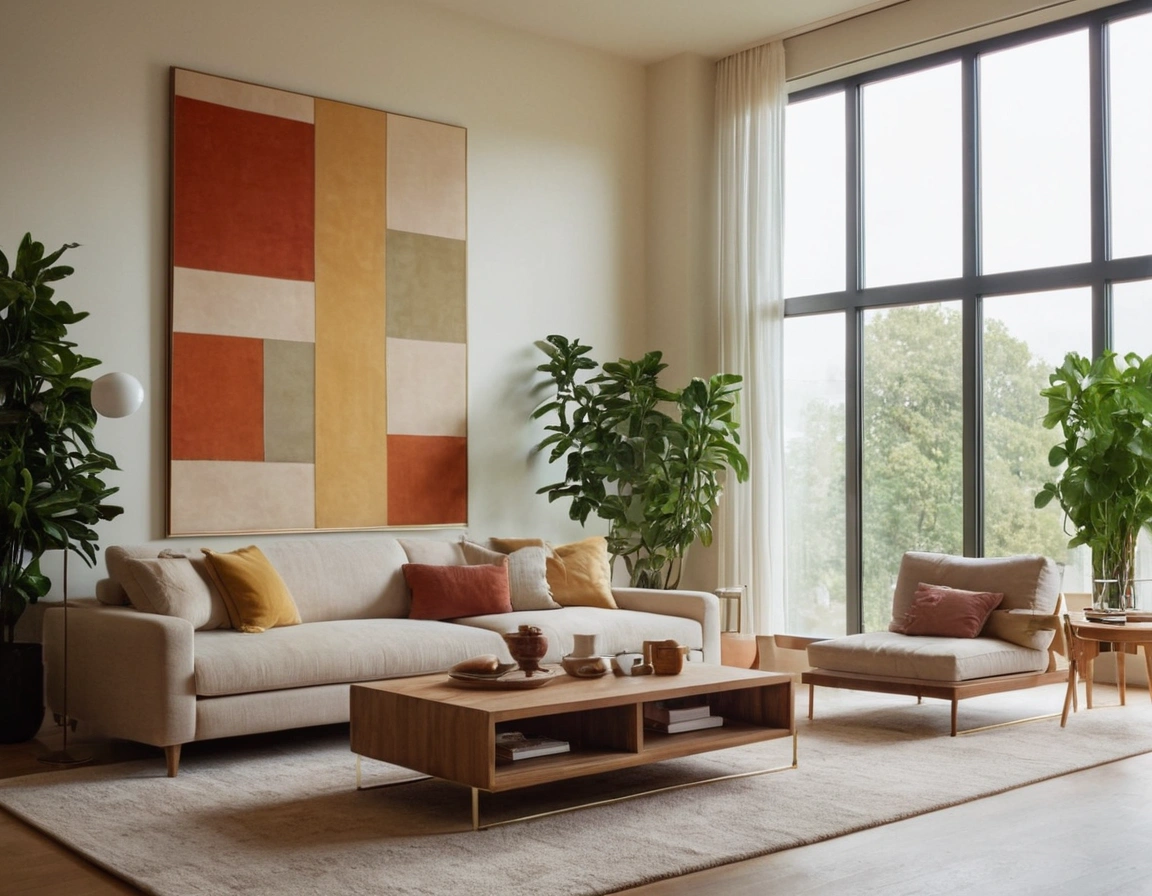
You know that feeling when you walk into a living room and something just clicks? It’s not the furniture. It’s not the paint. It’s the light hitting the sofa in a way that makes the whole space feel intentional, warm, and expensive. That’s the whole game with illuminated sofas, and I’m going to show you exactly how to pull it off without tearing your house apart or dropping thousands on a renovation.
I’ve been digging into lighting setups for years, and the truth is most people overthink it. They buy a big ceiling fixture, cross their fingers, and wonder why the room still feels flat. The real trick is treating your sofa like the star of the show and lighting it like one. That single mindset shift changes everything about how you approach living room lighting ideas.
Why Your Sofa Needs Its Own Light Source
Ceiling lights wash a room in flat, even brightness. That’s fine for finding your keys. It’s terrible for atmosphere. When you aim light specifically at your sofa, you create depth, shadow, and drama. The sofa becomes a focal point instead of just another piece of furniture pushed against a wall.
Ambient lighting from a floor lamp or a well-placed ceiling fixture can work, but it’s a blunt instrument. Layered lighting is what separates a room that looks styled from one that looks like a showroom. If you want a cozy living room, you need at least three light sources at different heights, and at least one of them should be dedicated to your sofa.
Here’s the thing nobody tells you: the color of your sofa matters for how you light it. A dark navy or charcoal couch swallows light, so you need stronger output or a lighter-toned bulb to make it pop. A cream or beige sofa reflects light beautifully, so you can go softer and warmer without losing definition. Match your lighting to your upholstery, not the other way around.
Table Lamps and Floor Lamps: The Cheapest Upgrade You’ll Ever Make
A single table lamp placed behind or beside your sofa can transform the entire mood of a room. I’m not exaggerating. Warm light at roughly 2700K to 3000K casts a golden glow that makes fabrics look richer and skin tones look better. It’s the same principle restaurants use to make you feel comfortable and stay longer.
Floor lamps with an adjustable arm are even better because you can angle them down toward the seat cushions. That directional wash highlights texture in the fabric and creates a pool of light that feels intimate. If you’re searching for how to light your living room with style, start here. Skip the overhead light entirely in the evening and rely on this setup.
One warning: avoid cool white or daylight bulbs in a living room. They kill the vibe instantly and make everything look clinical. Stick to warm white or soft white, and use dimmable bulbs so you can dial the intensity up or down depending on the time of day.
Accent Lighting for Sofas With Character
If your sofa has a bold color, a distinct silhouette, or interesting details like tufting or exposed legs, accent lighting is your best friend. LED strips tucked behind the sofa frame create a halo effect that makes the whole piece look like it’s floating. It’s a modern trick that reads as high-end even when it costs almost nothing.
Picture lights or small wall-mounted spots aimed at the sofa from above can also work, especially if you have art or a gallery wall nearby. The goal is contrast. You want the sofa to be brighter than its surroundings so the eye goes straight to it. That’s what people mean when they talk about illuminated sofas as a design feature.
Light isn’t decoration. It’s architecture you can move around, and your sofa is the best canvas in the house.
Directional and Reading Lights That Earn Their Keep
If you actually use your sofa, and I hope you do, a directional floor lamp is non-negotiable. An adjustable head lets you point light exactly where you need it, whether that’s onto a book, a laptop, or a magazine. The bonus is that it also adds a sculptural element to the room, which is why so many designers lean on them.
Articulating lamps in brass, matte black, or brushed nickel can double as decor. That’s a two-for-one you don’t get with recessed ceiling lights. And if you’re worried about glare, choose a lamp with a shade that diffuses the light instead of a bare bulb. Your eyes will thank you after a two-hour movie marathon.
For reading specifically, aim for a bulb between 400 and 800 lumens and position the lamp so the light falls over your shoulder, not directly into your face. This is the kind of detail that separates a room that looks good in photos from one that actually feels good to live in.
Dimmable Lighting: The Detail That Changes Everything
Dimmable lights are the single most underrated upgrade in home lighting. Being able to go from bright and functional at 7 p.m. to soft and moody at 10 p.m. without touching a single switch location is a game changer. Smart bulbs make this even easier because you can schedule scenes or control them from your phone.
Think about it this way: your sofa serves different purposes throughout the day. Morning coffee, afternoon work, evening wind-down. A fixed light level can’t serve all three. A dimmable setup can. That flexibility is what makes a modern living room feel genuinely designed rather than just furnished.
Classic Rooms Deserve Classic Lighting
These ideas aren’t just for sleek modern interiors. If your living room leans traditional, a chandelier or an elegant candelabra-style fixture above the sofa area can add drama and a touch of old-world elegance without feeling stuffy. Pair it with a floor lamp for layering and you get the best of both worlds.
The mistake people make in classic rooms is relying on one grand fixture and nothing else. Big chandeliers are beautiful but they don’t create intimacy. They create ceremony. Add a table lamp and a dimmable floor lamp and suddenly the same room feels warm and livable instead of like a museum.
If you’re working with a smaller budget and want a step-by-step approach, check out this guide on choosing the perfect L-shaped sofa for your living room. It pairs well with everything I’ve covered here.
Practical Rules I Actually Follow
- Use at least three light sources at different heights in any living room.
- Keep bulbs between 2700K and 3000K for warmth.
- Put your brightest light behind or beside the sofa, not in front of it.
- Choose dimmable everything, even if you don’t think you’ll use it.
- Hide cables with adhesive channels or behind furniture legs.
None of this requires an electrician, a contractor, or a second mortgage. It requires a bit of thought and a willingness to experiment. Move a lamp, swap a bulb, add a strip. The difference is immediate and honestly kind of addictive once you see it.
Your sofa is the anchor of your living room. Light it like you mean it, and the whole space will follow.