

If you’re still shopping for a sofa based on 2024 advice, you’re already behind. The living room has shifted again, and the sofa trends for 2026 are less about chasing a look and more about solving real problems: small apartments, hybrid work, pets, kids, and the fact that nobody wants to replace a couch every three years.
I dug through what furniture makers, interior designers, and buyers are actually pushing this year instead of recycling the same velvet-and-geometric talking points. Here’s what’s genuinely moving.
Modular Sofas Are No Longer a Trend, They’re the Default
Modular sofas stopped being a novelty and became the baseline expectation in 2026. The reason is brutal economics: people move more often, rent longer, and can’t justify a single fixed-shape couch that only fits one wall.
The real upgrade this year is that modular systems got smarter. You’ll see deeper seat modules, integrated USB-C and wireless charging trays, and backrests that flip from low-lounge to upright in seconds. That last part matters if you work from the couch half the day.
My honest take: skip the mega-configurations with eight pieces. Most people assemble them once and never touch them again. Two or three modules plus a chaise covers 90% of real living rooms.
Bouclé Is Fading, Textured Weaves Are Taking Over
Bouclé had its moment, and it’s not dead, but it’s no longer the safe pick. The problem was practical: it pills, traps crumbs, and shows every pet hair. In 2026 the fabric conversation has moved toward performance weaves, chenille blends, and recycled wool mixes that look soft but survive real life.
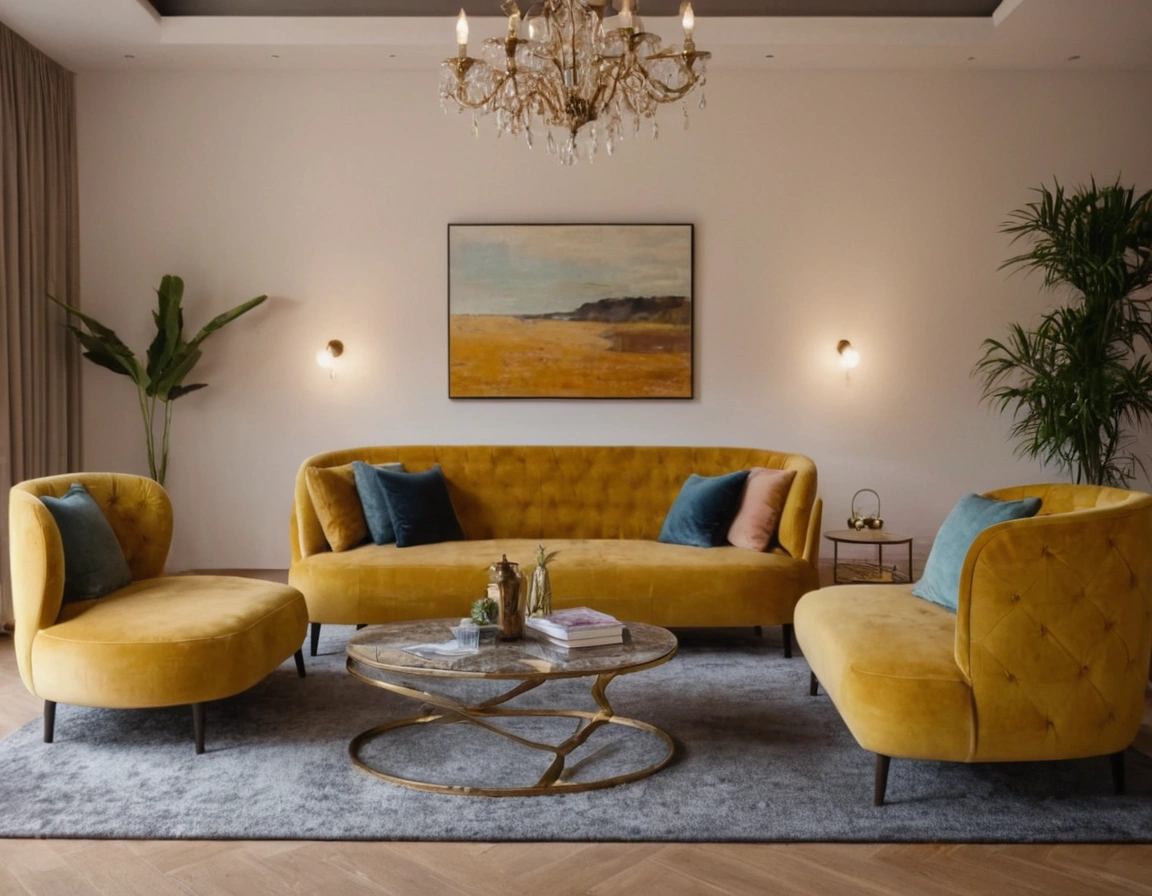
Velvet isn’t gone either, but it’s been repositioned. Instead of the whole sofa in emerald, you’ll see velvet used as an accent module or a single statement chair. Petroleum blue and deep burgundy still sell, just in smaller doses.
If you have cats, forget velvet entirely. No amount of “easy-clean” marketing survives claws.
Sustainability Went From Selling Point to Table Stakes
Every major manufacturer now has a recycled-material line, so calling a sofa “eco-friendly” no longer means much on its own. What actually matters in 2026 is how it’s built: removable covers, replaceable foam cores, and frames that can be repaired instead of trashed.
That’s the shift worth paying attention to. A sustainable sofa isn’t one made from recycled plastic bottles, it’s one you keep for 15 years because you can reupholster it. Look for brands that sell replacement cushions and covers directly. If they don’t, walk away.
The Colors Winning in 2026 (And the Ones Losing)
Warm neutrals are still dominant: oatmeal, clay, mushroom, and softened terracotta. These work because they hide wear better than stark white and photograph well for the inevitable listing photos when you move.
What’s losing ground? Cool greys. They’ve been overdone for a decade and now read as dated in most interiors. If you already own a grey sofa, don’t panic. Throw a warm-toned blanket and textured cushions on it and it reads current again.
Dark tones like charcoal, espresso, and deep forest green are holding strong in homes with kids, simply because they’re forgiving. Light tones still deliver that visual spaciousness in small apartments, so it’s a real trade-off, not a rule.
How to Actually Choose the Right Sofa for Your Space
Forget the trend list for a second. The right sofa comes down to three unglamorous measurements and one honest question about your lifestyle.
- Measure the wall, then subtract 30 cm on each side. Sofas that fill a wall completely make rooms feel cramped and block circulation.
- Check the door width and stair turns. I’ve seen people buy sofas that physically couldn’t enter their apartment. Modular pieces solve this, but only if the individual modules fit.
- Test the seat depth in person. Anything over 60 cm deep looks great and feels terrible for sitting upright. Deep seats are for lounging, not for conversations.
Then ask yourself: how do you actually use this room? If it’s 80% TV and 20% guests, prioritize comfort and durability. If it’s the opposite, prioritize shape and fabric quality.
Fabric Cheat Sheet for Real Life
- Kids and pets: microfiber, performance polyester blends, or treated synthetic leather.
- Allergies: tightly woven fabrics, avoid deep-pile anything.
- Luxury feel with some upkeep: linen blends and velvet, but only in low-traffic rooms.
- Renters who move a lot: slipcovered sofas with washable covers.
Color and Texture: The Part Most People Get Wrong
A sofa in a bold color can absolutely be the centerpiece of a living room, but only if the rest of the room stays quiet. The mistake is pairing a statement sofa with patterned rugs, busy art, and colorful cushions. That’s not eclectic, it’s chaotic.
Texture is the quieter lever. A smooth sofa against a chunky knit throw and a woven rug creates depth without adding visual noise. Mixing a velvet module with a bouclé cushion works because the contrast is tactile, not chromatic.
Rule of thumb: one bold element per room. If the sofa is loud, everything else whispers.
What I’d Actually Buy in 2026
If I were furnishing a normal apartment today, I’d go for a three-seat modular sofa in a performance weave, warm neutral base, with at least one replaceable module and removable covers. I’d add a single velvet or bouclé cushion for texture contrast, and I’d skip anything with a fixed chaise if I might move within five years.
The 2026 sofa trends aren’t about a specific color or silhouette. They’re about flexibility, repairability, and fabrics that survive actual humans. That’s a much better trend than velvet ever was.