

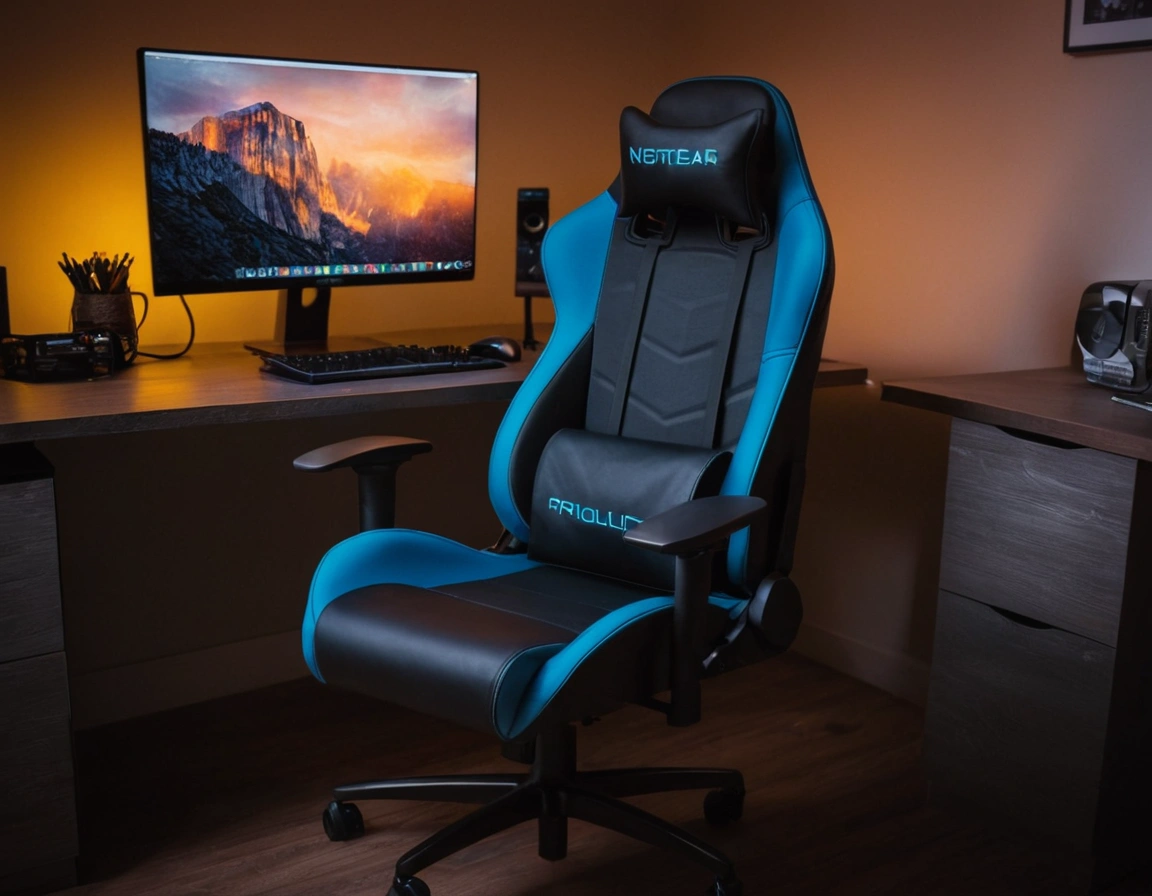
If you’re shopping for a gaming chair for small gamers, you’ve probably noticed something annoying: most chairs are built for 6-foot adults. A 9-year-old drowning in a chair meant for a grown man isn’t just uncomfortable, it’s a posture disaster waiting to happen.
I’ve spent hours digging through specs, return rates, and parent forums to figure out which chairs actually fit smaller bodies. Here’s the no-fluff answer.
Why Regular Gaming Chairs Fail Small Gamers
Here’s the thing nobody tells you at checkout: a gaming chair for kids isn’t just a scaled-down adult chair. The geometry is completely different. Seat depth matters more than height.
If the seat is too deep, a small gamer’s knees never reach the edge, circulation gets cut off, and they end up slouching to compensate.
Adult chairs also have gas lifts that bottom out above the floor for shorter legs. That means dangling feet, pressure on the back of the thighs, and zero stability. A quality gaming chair for small gamers fixes this with a shallower seat pan and a lower minimum height.
What Actually Matters: Size Adjustment and Support
The single feature I’d prioritize above everything else is size adjustment. You want a chair where the seat height drops to around 35-38 cm and the backrest reclines independently. That combo lets the chair grow with your kid for three or four years instead of one growth spurt.
Lumbar support is the second non-negotiable. Kids sit for hours and their spines are still developing. A gaming chair with lumbar support that’s actually adjustable (not just a fixed pillow) prevents the classic gamer hunch that turns into chronic back pain by their twenties.
Quick checklist before you buy
- Seat height minimum of 35 cm or lower
- Seat depth under 45 cm for kids under 1.40 m tall
- Adjustable lumbar pillow, not fixed
- Tilt lock so the chair doesn’t flip backward
- Breathable mesh or easy-wipe fabric (spills happen)
- Weight rating that matches your kid, not your ego
The Best Types of Chairs for Young Players
Forget the racing-style bucket seats with giant wings. Those are designed for adults who want to feel like they’re in a cockpit. For young players, a junior ergonomic chair with a high back and firm padding does the job better and costs less.
If your kid is under 8, look at adjustable study chairs that swivel. Brands like Sihoo and Hbada make junior models with proper ergonomics, and they’re usually half the price of a branded “gaming” chair with the same internals.
Honest take: paying extra for RGB lights and faux leather on a kid’s chair is throwing money away. That leather peels in 18 months and traps heat like a sauna.
Comfort and Safety: What Parents Overlook
A comfortable and safe chair for young players needs a wide, stable base. Kids lean, twist, and climb. A five-star base with smooth-rolling casters that lock is worth more than any lumbar gadget. Check for a tilt lock and a class-3 or class-4 gas lift, because cheap lifts fail and that’s a real safety issue.
Padding matters too, but not in the way you think. Soft, squishy foam feels nice for five minutes and then flattens. You want firm, high-density foam that keeps its shape after a year of daily use.
Materials: The Detail That Decides Everything
Kids stain stuff. Constantly. A gaming chair for kids made of breathable mesh or PU that wipes clean will save you hours of scrubbing. Faux leather looks premium but cracks where the arms rub, and it gets sticky in summer. Mesh keeps airflow moving and doesn’t show crumbs.
Also check the armrests. Adjustable ones are better than fixed, because a small gamer needs the arms low enough to rest their elbows without their shoulders hiking up. Fixed armrests on a junior chair are almost always set too high.
Ergonomic Chairs for Children and Teenagers
For teens, you can stretch to a small adult chair, but only if the seat depth fits. An ergonomic gaming chair for teenagers should offer adjustable height, tilt tension, and a headrest that actually touches the back of their head. If the headrest floats above them, it’s useless.
My pick for the 12-16 range: a mid-back ergonomic chair with a sliding seat depth. That single feature solves the growth problem better than anything else on the market.
Real Benefits Beyond Looking Cool
The benefits of a gaming chair for young children aren’t marketing fluff. Proper support during growth years reduces the risk of postural problems later. Kids who sit correctly focus better and complain less about neck and back pain after long sessions.
And there’s a practical angle: a chair that fits means your kid isn’t fidgeting and readjusting every ten minutes. That’s better for gaming, better for homework, better for everything they do at that desk.
Final Word: Buy for Fit, Not for Hype
Skip the influencer chairs with logos plastered everywhere. Measure your kid’s height and leg length, then match those numbers to the seat specs. If a gaming chair for small gamers doesn’t list its seat height range and depth, that’s a red flag.
Buy from brands that publish real dimensions and offer returns, because fit is personal and you won’t know until it’s assembled.