

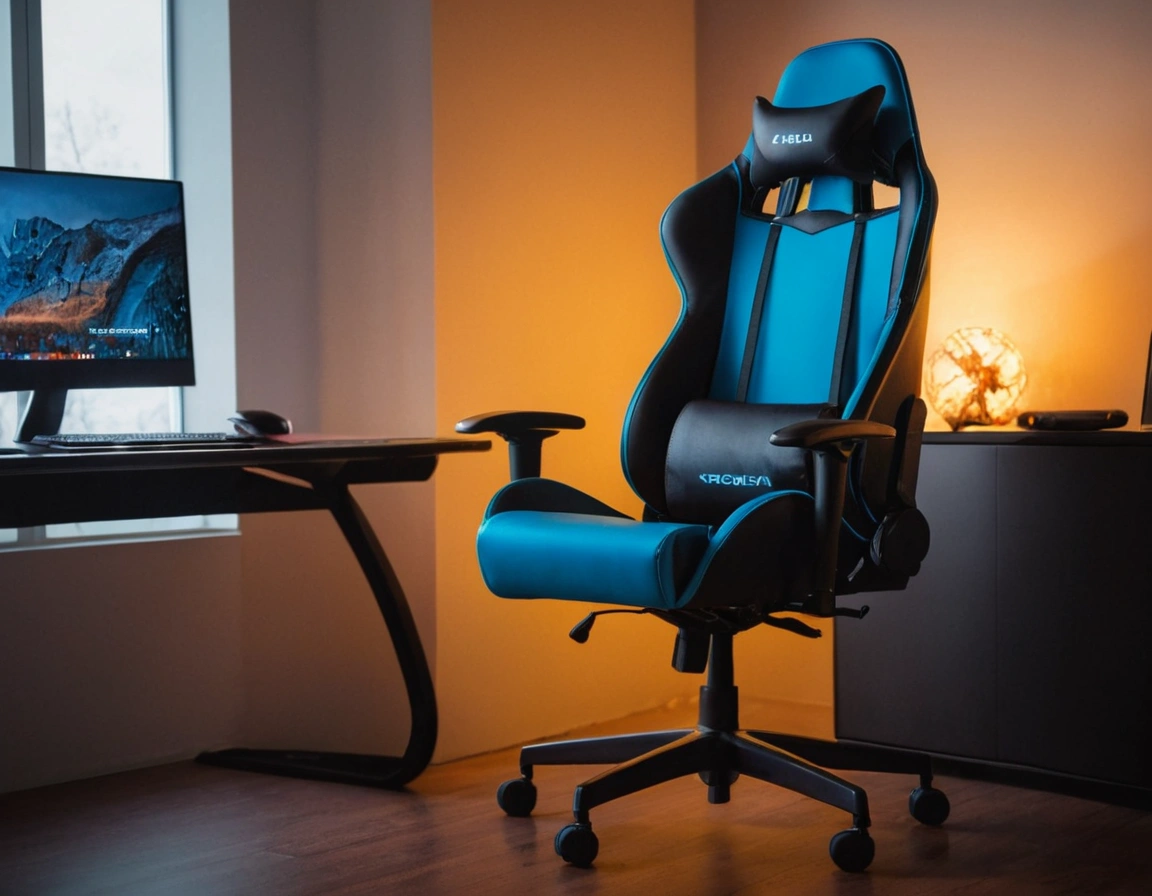
If you spend eight hours grinding spreadsheets and then another four grinding ranked matches, you already know the dirty secret of the gaming chair industry: most of them are racing-style buckets designed for looks, not for your lumbar spine. So let’s cut the marketing crap and talk about which gaming chairs actually work for working.
I’ve tested and researched enough of these things to tell you one thing upfront: the best gaming chair for work and gaming in 2026 is not the one with the flashiest logos. It’s the one you can sit in for a full workday without your lower back screaming at 4 PM.
Why Most Gaming Chairs Suck for Office Work
Here’s the uncomfortable truth. Classic racing-style gaming chairs with side bolsters and stiff foam were built to mimic bucket seats in race cars. That design keeps you locked in during a 20-minute race. It does not keep you comfortable during a 10-hour remote work marathon.
What you actually need is ergonomic support for long working hours: adjustable lumbar, a headrest that hits the right spot, and armrests that go up and down, in and out. If a chair can’t do that, it’s furniture, not a tool.
The good news? A handful of brands figured this out, and the market shifted hard toward hybrid designs between 2023 and 2026. Herman Miller bought into gaming. Secretlab pivoted to ergonomic. Even budget brands started copying Steelcase instead of Ferrari.
What to Look For in a Gaming Chair for the Office
Forget the RGB and the faux leather for a second. Here’s the checklist that actually matters when you’re buying a gaming chair suitable for working from home.
- Adjustable lumbar support — not a pillow you throw away after two weeks. A real mechanism that moves up and down, ideally in and out too.
- 4D armrests — up, down, forward, back, angle. Your elbows should rest at desk height, period.
- Reclining backrest — 135° minimum. You need to lean back during calls, not just during cutscenes.
- Breathable material — mesh or hybrid fabric beats PU leather every time if you sweat.
- Class-4 gas lift and a solid base — cheap cylinders fail. Aluminum or reinforced nylon, always.
- Seat depth and width — if you’re over 1.85 m or under 1.60 m, most standard chairs will fit you badly.
Miss any of these and you’ll end up buying twice. I’ve seen it happen to friends who grabbed a €150 chair off Amazon and replaced it six months later.
Best Gaming Chairs That Actually Work for Working in 2026
Secretlab Titan Evo (2026 edition)
This is the chair that made “gaming chair” stop being an insult in ergonomic circles. The Titan Evo has a built-in 4-way lumbar system, a pebble seat base that doesn’t force your hips forward, and a cold-cure foam that holds up after years. It’s the closest thing to a Steelcase Gesture with a gamer aesthetic.
Downside: the price. But if you’re working and gaming in the same chair 60+ hours a week, it pays for itself versus a chiropractor.
Herman Miller x Logitech G Vantum
Yes, it’s expensive. Yes, it looks like a prop from a sci-fi movie. But the Vantum is genuinely one of the best gaming chairs for combining work and gaming because Herman Miller actually understands office ergonomics. The postural support is real, not decorative.
If you want a chair that your boss won’t blink at during a video call and that still supports a 6-hour raid, this is it.
Razer Iskur V2
The Iskur V2 fixed the biggest flaw of the original: that aggressive lumbar curve that pushed your spine into a weird arch. The V2’s lumbar is now adjustable in height and depth. It’s still a gaming chair at heart, but it works for office use — especially if you like a snug, wrapped-in feel.
Autonomous ErgoChair Pro
Not technically a gaming chair, but I’m including it because it’s cheaper than most premium gaming chairs and outperforms them for pure work use. If 80% of your time is work and 20% is gaming, buy this and stop pretending you need side bolsters.
Essential Features of a Gaming Chair for Professional Use
Let’s be blunt: if you’re using the same chair for Zoom calls and Counter-Strike, the feature that matters most is adjustability. Every body is different. A chair that’s perfect for a 1.75 m person can wreck a 1.90 m person’s shoulders.
The single best upgrade you can make to any gaming chair setup is a chair that adapts to you, not the other way around.
Look for at least 4 adjustment points: seat height, armrest position, lumbar depth, and backrest recline tension. Anything less and you’re compromising.
Why Choose a Gaming Chair for Working?
Because a proper ergonomic gaming chair keeps you aligned whether you’re in work mode or game mode. The recline, the lumbar, the headrest — they all work for both. And unlike a pure office chair, gaming chairs tend to have deeper seats and taller backs, which many people find more comfortable for lounging during long sessions.
The trade-off? Cheap gaming chairs are worse than cheap office chairs. The foam compresses, the armrests wobble, the “lumbar pillow” is a joke. So don’t buy at the bottom of the market.
How to Choose a Gaming Chair That’s Comfortable for Working
First, measure your desk height. If your desk is 74 cm and your chair’s minimum seat height is 48 cm, you’re fine. If it’s 52 cm, your feet won’t touch the floor and your thighs will go numb.
Second, sit in it if you can. Or buy from a brand with a generous return policy — 30 days minimum. Secretlab, Herman Miller, and Razer all offer this in most regions.
Third, ignore “ergonomic” claims without specifics. If a product page doesn’t tell you the exact adjustment range of the lumbar support in centimeters, they’re hiding something.
Advantages of Using a Gaming Chair to Work From Home
Beyond comfort, a good gaming chair for remote work improves circulation, reduces the risk of repetitive strain injuries, and lets you shift posture throughout the day. That last point is underrated: static sitting is the enemy, and a reclining, adjustable chair lets you move.
Also, they look better on camera than a kitchen stool. That matters more than you think in 2026.
My verdict after all this research: buy the best chair you can afford, prioritize adjustability over aesthetics, and don’t fall for the racing-seat trap. Your spine will thank you at 5 PM — and again at 2 AM when you’re still queuing.