

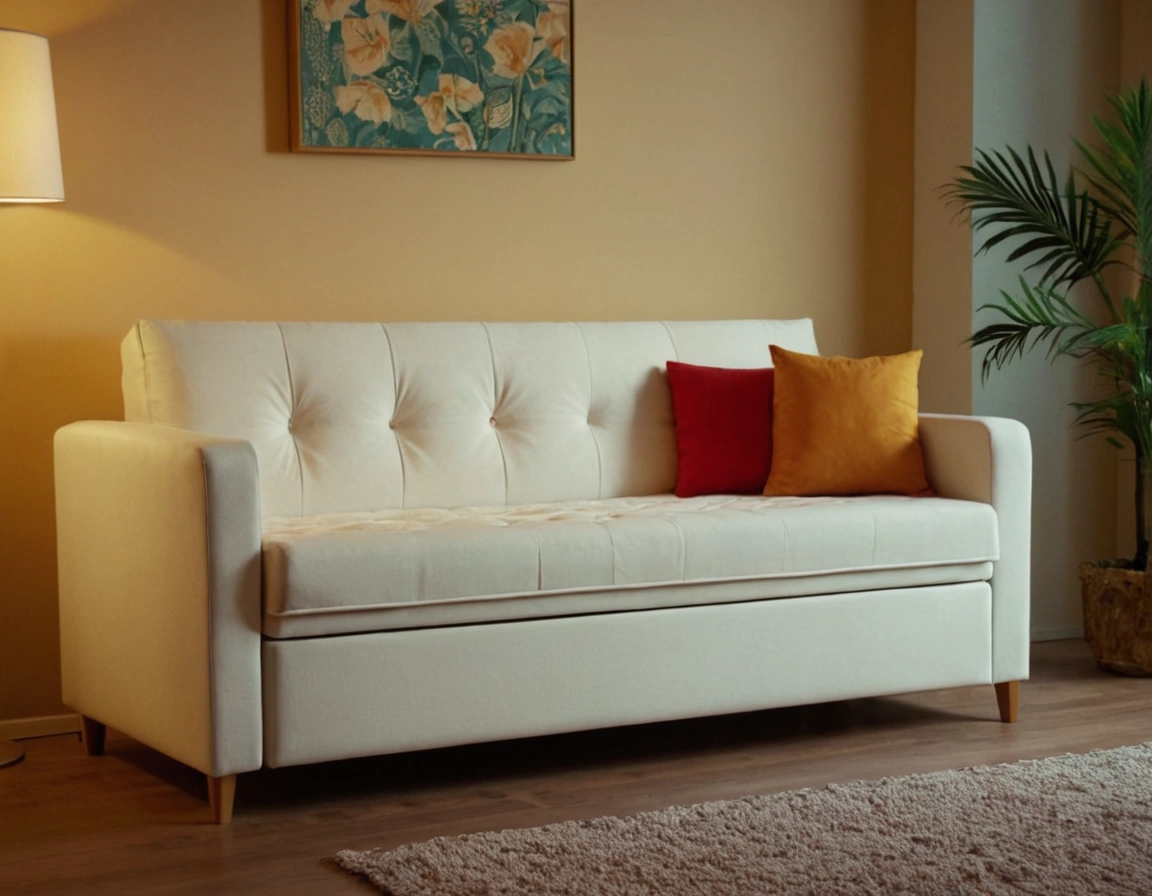
Ammonia is one of those cleaning products your grandmother swore by, and for good reason: it cuts through grease and grime like almost nothing else. But grab the wrong bottle and slap it on a leather couch, and you can say goodbye to your furniture. So let’s talk straight about how to use ammonia on a sofa safely, because most of what you’ll read online is either too vague or flat-out wrong.
Why Ammonia Works (and Why It’s Risky)
Ammonia is a strong alkaline compound. That’s what makes it so good at dissolving oils, body sweat, and sticky residue that builds up on upholstery over the years. It’s the same reason it’s dangerous: alkaline chemicals can strip dyes, dry out fibers, and destroy the natural oils in leather.
If you’re Cleaning a Fabric Sofa with ammonia, you’re generally on safer ground. If you’re eyeing a leather couch, close that bottle. More on that below.
Step-by-Step: Cleaning a Fabric Sofa With Ammonia
First things first — ventilation. Ammonia fumes are no joke. Open windows, run a fan, and put on rubber gloves. If you’re asthmatic or pregnant, skip this method entirely and go with a commercial upholstery cleaner instead.
The dilution ratio matters more than most people admit. A one part ammonia to ten parts water solution is the sweet spot. Stronger doesn’t mean cleaner — it means more risk of discoloration and lingering odor that can take days to fade.
- Mix the solution in a spray bottle or bucket.
- Test on a hidden spot — behind a cushion, under the base, somewhere nobody sees.
- Wait 24 hours. If the color holds and the fabric doesn’t stiffen, you’re good.
- Dampen a microfiber cloth — don’t soak it — and wipe the soiled areas in light strokes.
- Rinse with a cloth dipped in plain water, then blot dry with a towel.
Never saturate the fabric. Moisture that seeps into the padding is how you get mold, and that’s a much bigger problem than the stain you were trying to remove.
Aquaclean and Other Treated Fabrics: Proceed With Caution
Aquaclean sofas are marketed as cleanable with just water. And that’s true — plain water handles most stains on that fabric. But for stubborn marks like grease or pet accidents, a diluted ammonia solution can work as a heavier-duty option.
That said, check the manufacturer’s instructions first. Some treated fabrics have protective coatings that harsh chemicals can weaken over time. Cleaning an Aquaclean sofa with ammonia is doable, but don’t make it your default. Water should always be your first move.
Leather Sofas and Ammonia: Just Don’t
Here’s where most articles tiptoe around the truth. Cleaning a leather sofa with ammonia is a bad idea, full stop. Leather is skin. Ammonia strips the oils that keep it supple, and once it dries out, it cracks. No amount of conditioner brings back cracked leather.
White leather is even worse. Light-colored hides show every bit of discoloration and damage, and ammonia is notorious for leaving yellow or gray patches on pale finishes. If you absolutely must try it, dilute it heavily and test in a corner — but honestly, why risk a $2,000 couch to save $15 on a proper leather cleaner?
Dedicated leather cleaners are formulated to clean and condition. They’re not a scam. They exist because ammonia ruins leather.
Alternatives That Actually Work
If you want to skip ammonia altogether, you’ve got solid options:
- Commercial upholstery cleaners: formulated for specific fabrics, usually no dilution needed, and safe for most materials.
- Vinegar and baking soda paste: great for neutralizing odors and lifting light stains. Less aggressive than ammonia, though it won’t cut heavy grease as well.
- Enzyme cleaners: the go-to for pet stains and organic messes. They break down proteins instead of just wiping the surface.
- Steam cleaners: no chemicals at all, just heat. Excellent for refreshing fabric without residue.
The vinegar-baking soda combo gets hyped a lot online, and while it’s fine for surface stains, don’t expect miracles. For deep-set grease, ammonia in the right dilution still outperforms it.
The Real Bottom Line
Can you use ammonia on a sofa? Yes — on most fabric upholstery, with proper dilution, ventilation, and a spot test. Should you use it on leather? No. Never. Not even diluted.
The people who ruin their couches with ammonia are the ones who skip the test patch or think “more is better.” Don’t be that person. For a safer, more thorough approach, see our full guide to Cleaning a Fabric Sofa. Take ten minutes to test, keep the solution weak, and your sofa will come out clean instead of wrecked.
And if you’re still unsure about your specific fabric, call the manufacturer. A two-minute phone call beats a replacement sofa any day.