

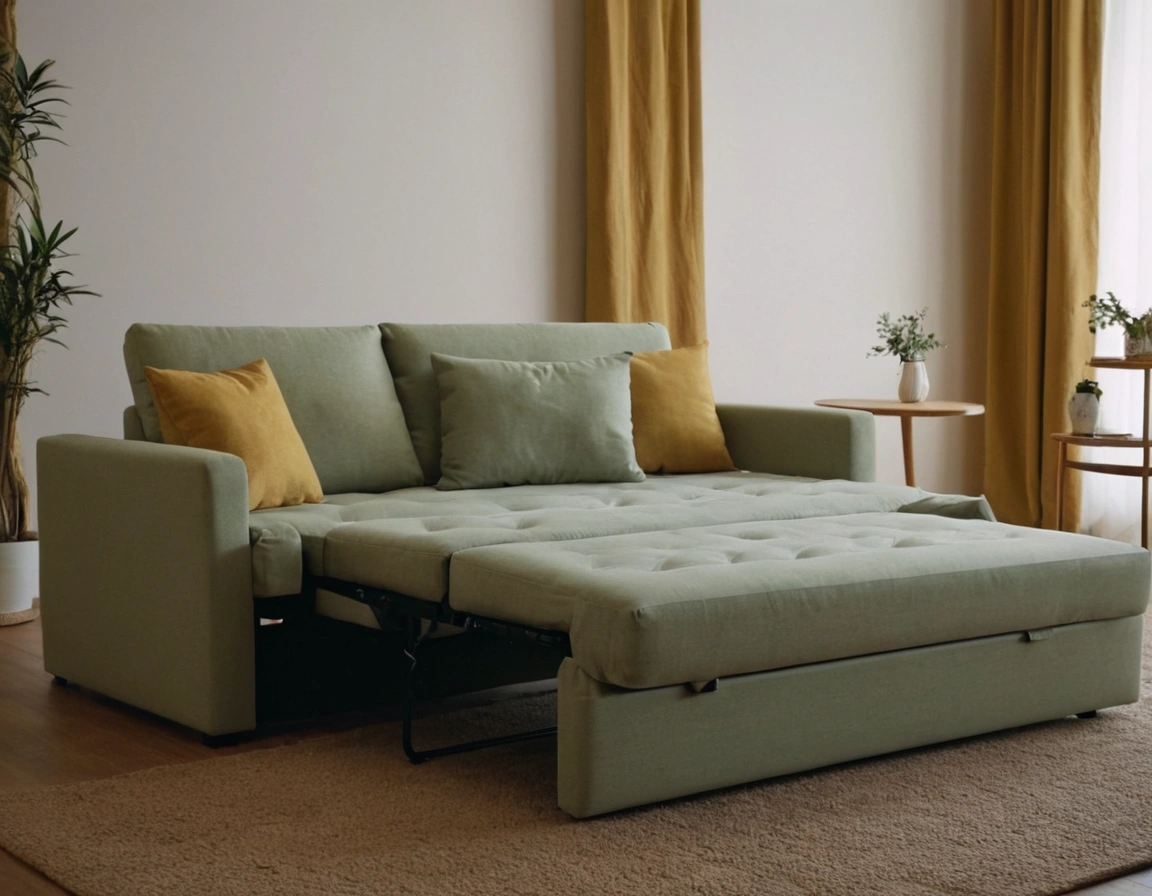
Most people shopping for a queen size sofa bed get sold on the pretty fabric and the “click-clack” demo in the showroom. Then they sleep on it once and wake up with a knot in their lower back. The problem almost never is the mechanism. It’s the foam density nobody bothered to explain to them.
So let’s fix that right now. If you want a convertible sofa bed that actually works as a bed, you need to stop asking “is it comfortable?” and start asking “what’s the density of that foam and how thick is the mattress?” Everything else is marketing.
Foam Density: The Number That Decides If You Sleep or Suffer
Foam density is measured in pounds per cubic foot (PCF) or kilograms per cubic meter (kg/m³). A queen size sofa bed mattress under 1.8 PCF (around 29 kg/m³) is basically a disposable cushion. It’ll flatten within a year, especially if two adults sleep on it regularly.
For a sofa bed used nightly, aim for 2.5 PCF or higher. For occasional guest use, 1.8 to 2.2 PCF is acceptable. Polyurethane foam at 2.5 PCF paired with a memory foam topper holds up way better than the cheap 1.5 PCF stuff crammed into budget models.
Here’s the catch nobody mentions: high density doesn’t always mean hard. Density is about durability and weight support. Firmness is a separate spec (ILD or IFD). A dense foam can still be plush. Don’t confuse the two, or you’ll end up with a rock-hard bed thinking you bought quality.
Double Models vs Queen: Which One Actually Fits Your Room
A queen mattress is 60 x 80 inches. A double (full) is 54 x 75 inches. That six-inch difference in width matters more than you think when two people share it.
If you’re buying for a guest room, a double sofa bed is usually enough and takes less floor space when open. But if this is your main sleeping surface or you host couples regularly, go queen. The extra width is the difference between sleeping and playing Tetris with elbows all night.
Measure twice. A queen sofa bed open needs roughly 90 x 90 inches of clear floor. Plenty of people buy the queen, get it home, and realize it blocks the bedroom door. That’s a $1,200 mistake you don’t want to make.
Mattress Types Inside Sofa Beds
- Memory foam (viscoelastic): Best pressure relief, contours to your body, but sleeps warm. Great for bad backs.
- High-density polyurethane: Firm, durable, cheaper. Works well with a topper.
- Spring + foam hybrid: Bouncier feel, decent airflow, but springs can poke through over time.
- Air-over-coil: Adjustable firmness, great for guests with different preferences, but pumps can fail.
Mechanism Matters More Than You’d Guess
The two systems you’ll see everywhere are click-clack and pull-out (also called “double action” or “fold-out”). Click-clack is faster, cheaper, and thinner. Pull-out with a real mattress is bulkier but far more comfortable. If comfort is your priority, pull-out wins. No debate.
A queen size convertible sofa bed with a pull-out mechanism and a 4.5-inch high-density mattress will outperform any click-clack on the market for actual sleeping. Click-clacks are fine for Netflix and the occasional nap. Not for nightly use.
Rule of thumb: the thinner the folded mattress, the worse you’ll sleep. Anything under 4 inches folded is a couch first, bed second.
Why Queen Sofa Beds Became the Smart Small-Space Move
Studio apartments, guest rooms, home offices that double as bedrooms — a queen size sofa bed solves a problem no regular sofa can. You get a full living room by day and a real bed by night without dedicating a whole room to sleeping.
In 2026, the market has shifted hard toward modular and wall-bed hybrids that combine a queen mattress with a slim frame. They cost more upfront, but you’re replacing two pieces of furniture with one. That’s not an upsell, that’s math.
The trade-off is weight. A queen pull-out sofa bed can hit 200+ lbs. If you rent and move often, or live in a walk-up, think hard before buying. A wall-mounted Murphy bed might actually be smarter for your situation.
What to Check Before You Swipe Your Card
- Foam density spec: Ask the seller directly. If they can’t tell you, walk away.
- Mattress thickness: 4.5 inches minimum for regular sleeping.
- Frame material: Hardwood or metal. Particleboard fails fast under daily folding.
- Open dimensions: Measure your floor. Queen open needs about 90 x 90 inches.
- Warranty on the mechanism: Two years is standard, five is a good sign.
- Weight limit: Look for at least 500 lbs total capacity for a queen.
If two of those check out and the rest are close, you’re probably fine. If the seller dodges the foam density question, that’s your answer. Cheap foam is where manufacturers hide the cost.
The Honest Verdict on Queen Size Sofa Beds
Do convertible queen sofa beds exist? Yes, and plenty of them are genuinely comfortable — but only the ones with dense foam and a proper pull-out mechanism. The rest are couches wearing a bed costume.
Spend your budget in this order: mechanism first, foam density second, fabric last. Everyone else does it backwards and ends up replacing the thing in 18 months. Buy once, sleep well, skip the showroom demo drama.