

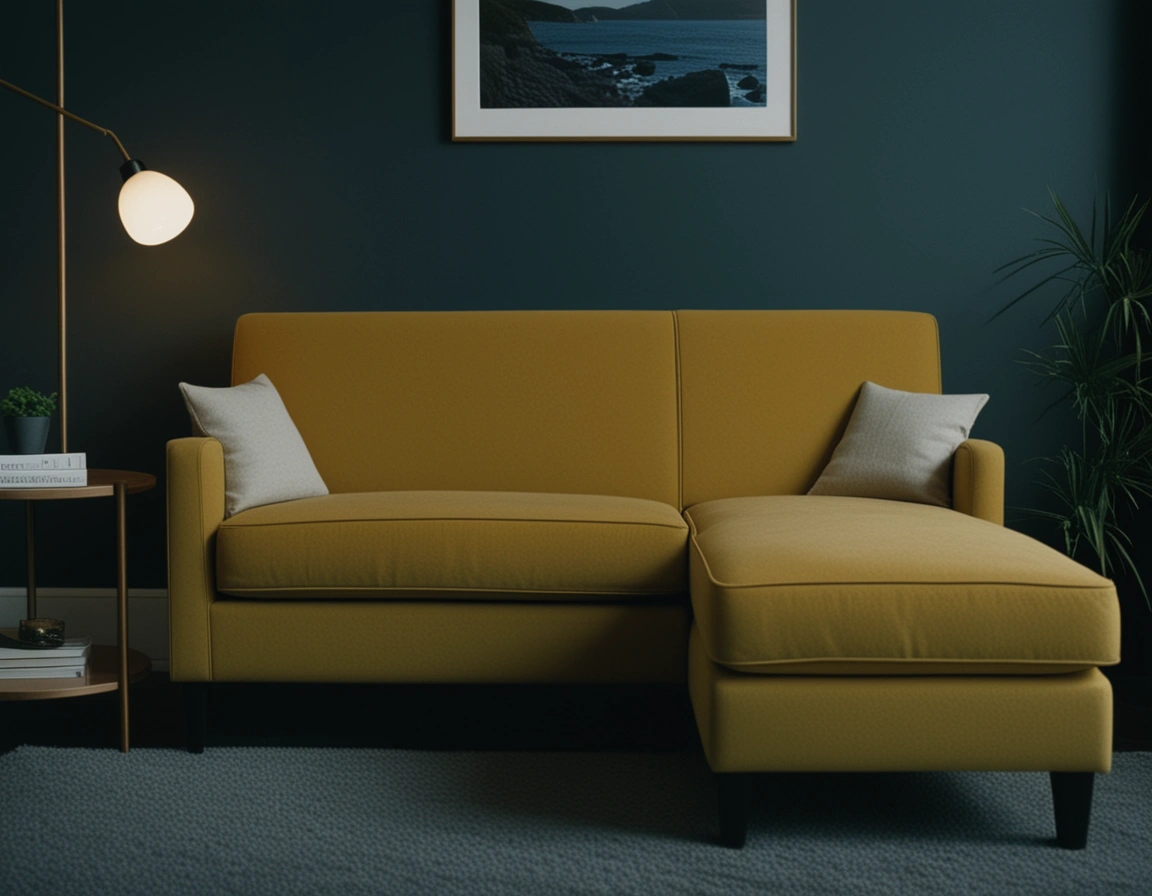
What sofa to choose to maximize space in small living rooms?
Choosing the perfect sofa for a small living room can be quite a challenge. The first thing you should consider is the size: a sofa that is too large can dominate the space, while one that is too small may not be practical. Look for options with dimensions proportional to your room. A sofa with clean lines and a simple design usually works best in limited spaces.
Colors also play a crucial role. Light colors such as beige, light gray, or pastel can make the space feel larger and more open. Additionally, modular sofas or sectional sofas offer flexibility, since you can rearrange them according to your needs, adapting them to different space configurations.
Don’t forget to consider storage. Some sofas come with built-in storage options under the seats, which can be extremely useful for storing blankets, books, or magazines, helping to keep clutter under control.
Quality and durability are also essential. Opt for materials that withstand the passage of time, especially if your sofa is going to get a lot of use. Materials such as leather or microfiber are durable and easy to clean.
Finally, think about functionality. A sleeper sofa can be an excellent option if you live in a studio or if you don’t have an extra room for guests. This allows you to have a comfortable place to sit during the day and an extra bed when you need it.
How can you optimize the selection of furniture in compact spaces?
When furnishing a small living room, every piece counts. It is not only important to select furniture that is aesthetically pleasing, but it must also be functional and not overload the area. Use multifunctional furniture such as ottomans with storage or coffee tables with shelves. These solutions help maximize every inch of your space.
The layout of the furniture is another crucial aspect. Try not to block hallways or entrances. Keep an open flow in the room so you don’t feel closed in. Experiment with different configurations until you find the one that works best for you and for the space.
As for decoration, less is more in small spaces. Choose to decorate with a few meaningful objects instead of many small ones, which can make the space feel cluttered. Strategically placed mirrors can make the room look larger and brighter, reflecting both natural and artificial light.
What mistakes should you avoid when furnishing rooms with limited dimensions?
One of the most common mistakes is buying furniture without first measuring the available space. Always measure your room and the furniture you plan to buy. This ensures that everything fits perfectly without last-minute surprises.
Avoiding overloading the room with too much furniture or decorations is also vital. This not only affects mobility, but can also make the space feel smaller and more confined than it is.
Finally, although large furniture can be tempting, choosing more compact and proportionate versions can make a big difference. For example, instead of a large coffee table, consider using side tables that can be easily moved as needed.