

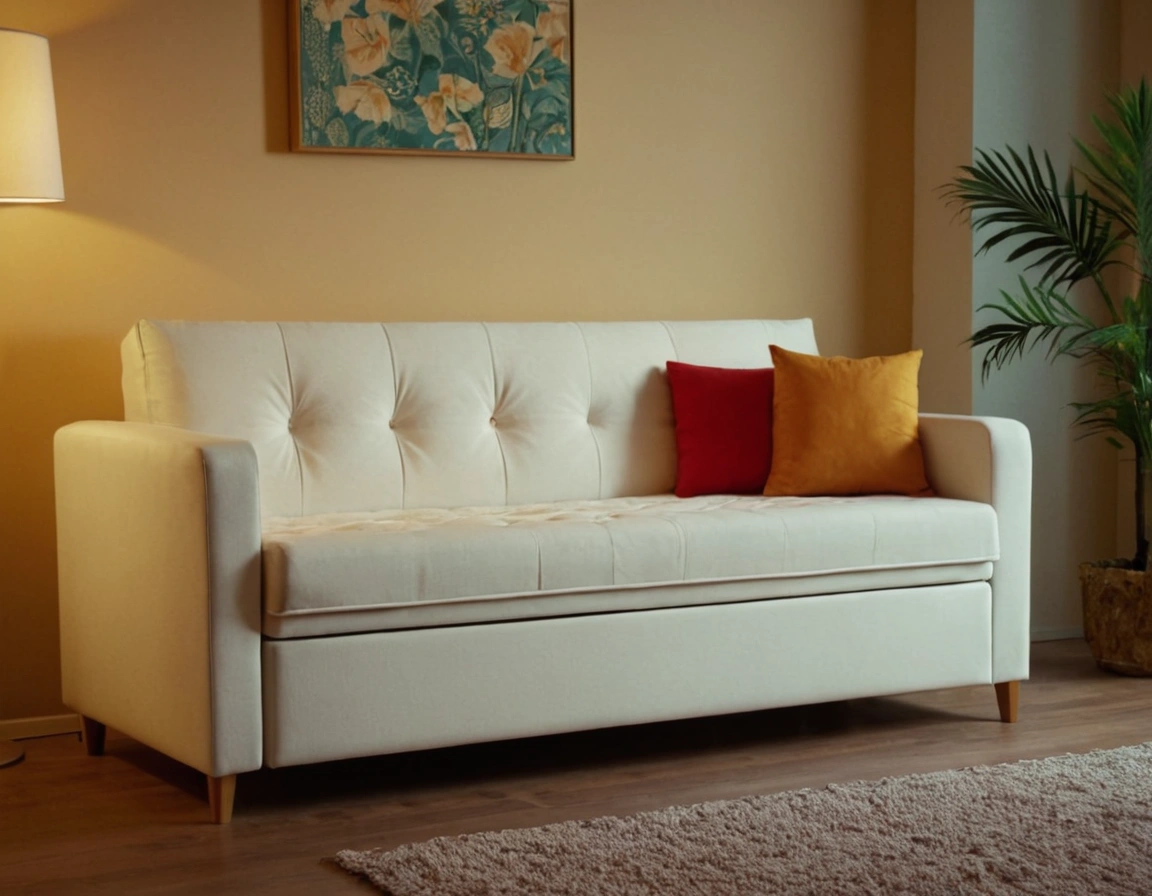
How to remove coffee stains from a sofa?
If you have ever found yourself with a coffee stain on your favorite sofa, you know that the feeling of panic is almost instantaneous. Don’t worry, here I will show you how to get rid of those stains without needing to resort to professional methods.
First, it is essential to act quickly. The sooner you begin the cleaning process, the easier it will be to completely remove the stain. Use a clean and dry cloth to absorb as much coffee as possible, avoiding rubbing the stain, as this can cause it to spread.
The next step is to apply a mixture of warm water and mild soap. Use a soft cloth to apply this solution directly onto the stain, dabbing lightly instead of rubbing. If the stain persists, you can try a stronger solution, such as white vinegar mixed with water. Vinegar is excellent for cleaning-un-sofa-de-tela/” title=”How to remove stains without ruining your sofa” class=”internal-link”>removing stains without damaging the fabrics.
For tougher stains, an enzymatic cleaner can be the solution. These cleaners are designed to break down the proteins in coffee, helping to release the stain from the sofa’s fabric. Apply the cleaner according to the manufacturer’s instructions and let it sit for the recommended time before wiping with a damp cloth.
Finally, once the stain has disappeared, it is important to clean the area with clean water to remove any residue of cleaner. Let the sofa dry completely in the air before using it again. If the stain is still visible, it might be time to consult a professional, but in many cases, these steps will be more than enough to leave your sofa looking like new.
What to do to remove tea marks on upholstery?
Tea marks, just like coffee stains, require quick attention to avoid permanent damage to your furniture. Although tea is not as dark as coffee, it can leave a noticeable mark especially on light-colored fabrics.
To begin, absorb as much liquid as you can with a dry cloth. Avoid rubbing since this can spread the stain. Then, prepare a solution of cold water and mild detergent, applying it in the same way I suggested for coffee stains. It is vital to use cold water, since hot water can set the stain instead of helping to remove it.
If this does not work, mix a small amount of baking soda with water until it forms a paste and apply it onto the stain. Let it sit for a few minutes before wiping it with a damp cloth. Baking soda is effective for absorbing stains without being too harsh on fabrics.
For more stubborn stains, white vinegar can once again be an ally. Apply a solution of vinegar and water, let it sit for a few minutes, and then wipe the area with a clean cloth. Always test on a less visible area of the furniture to make sure the treatment will not damage the fabric.
Finally, if homemade methods do not work, consider using a commercial product specifically designed to remove tea stains from upholstery. Be sure to follow the product instructions to avoid any additional damage to your furniture.
How to clean soda spills on upholstered furniture?
Soda spills can be sticky and leave a residue that attracts more dirt if not handled correctly. As with coffee and tea, it is crucial to treat the spill immediately.
First, absorb as much liquid as possible with paper towels or a dry cloth. Avoid rubbing, since this can push the soda deeper into the furniture’s fabric. Once the excess liquid has been absorbed, clean the area with a solution of warm water and mild liquid soap.
If the soda has left a colored mark, you can use white vinegar diluted in water to help remove the stain and odors. Apply the solution with a clean cloth, let it sit for a few minutes, and then wipe with a damp cloth.
If the stain persists, a solution of hydrogen peroxide (oxygenated water) can be effective, especially on light-colored fabrics. Apply it carefully, since it can bleach some fabrics. Always test first on a hidden area.
Finish by cleaning the area with clean water to remove any cleaning residue and let it dry completely. If the treated area is still sticky or the stain does not disappear, it may be necessary to resort to stronger cleaning products or professional services.