

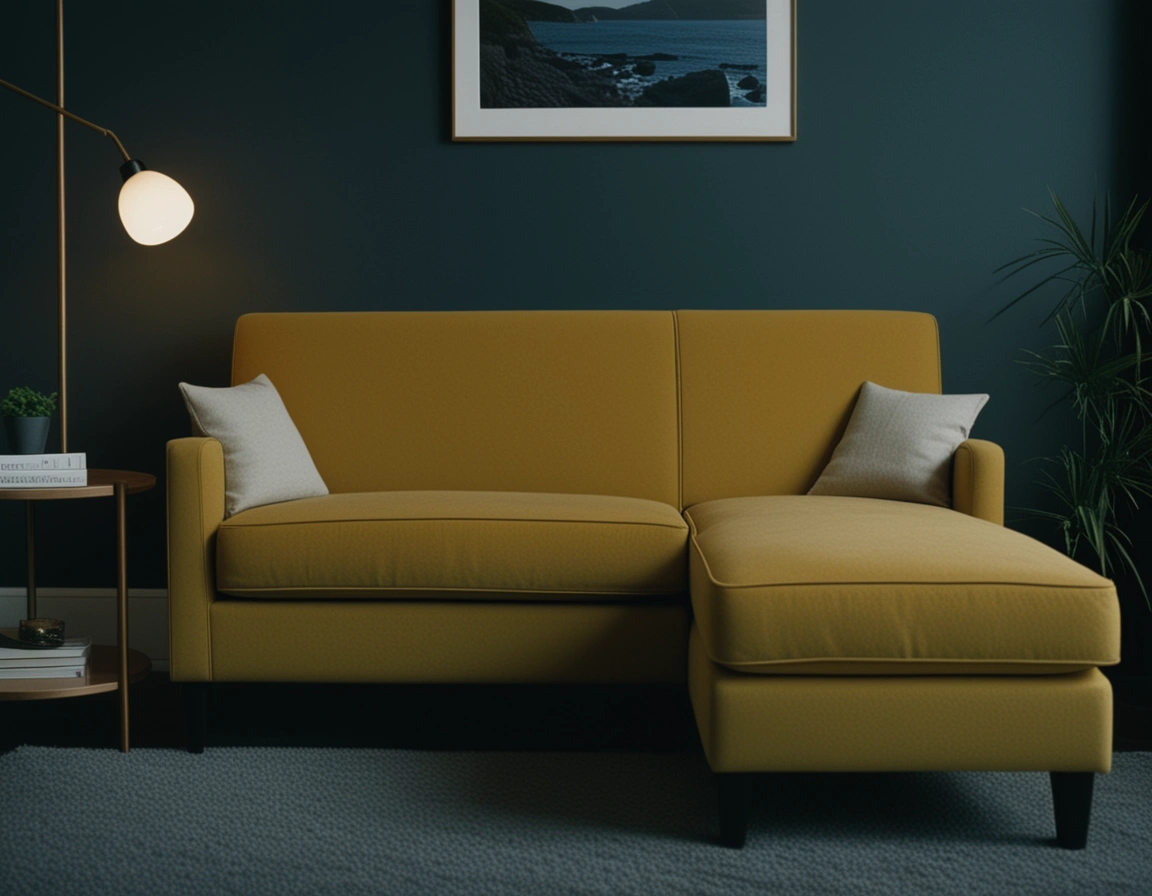
If your living room is the size of a shoebox, you already know the struggle. You want a sofa that doesn’t eat the whole room alive, but you also don’t want a sad little loveseat that feels like sitting on a park bench. The truth? Picking the best sofa for small living rooms in 2026 comes down to three things: measurements, proportion, and not falling for pretty showroom traps.
I’ve been through this myself. Measured wrong once, ended up with a couch that blocked the doorway for six months. Never again. So here’s what actually works when you’re shopping for a small living room sofa that has to pull its weight every single day.
Measure First, Buy Second (No Exceptions)
Before you even open a furniture website, grab a tape measure. Write down the length and width of your room, then subtract at least 30 inches of walking space on every side you use to move around. That number is your absolute maximum sofa length. Most people skip this and then act surprised when the delivery guys can’t squeeze it through the door.
For a small living room sofa, aim for something between 60 and 75 inches wide. Anything above 80 inches starts dominating the space visually, even if it technically fits. A compact two-seater or a slim three-seater works better than a bulky sectional in most apartments under 200 square feet of living area.
Also measure your doorways and hallway turns. A 75-inch sofa doesn’t help if it can’t get inside your apartment.
Proportion Beats Size Every Time
A sofa that’s technically small can still look massive if it’s got thick arms, a high back, and chunky cushions. What you want for a small living room is a sofa with a low profile, slim arms, and legs that lift it off the floor. That gap underneath makes the floor visually continue, which tricks your brain into thinking the room is bigger.
Clean lines and simple silhouettes are your friends. Tufted Chesterfields and overstuffed recliners? Save those for the mansion you’ll buy after you win the lottery.
Mid-century modern styles work ridiculously well in tight spaces because they’re built lean. Think tapered wooden legs, narrow armrests, and a back that doesn’t tower over the room. That’s not a coincidence — it’s design that respects square footage.
Color, Fabric, and the Illusion of Space
Light colors genuinely make a room feel bigger, and this isn’t just decorator fluff. Beige, cream, light gray, soft sage — these reflect light instead of swallowing it. A dark charcoal or navy sofa in a tiny room can feel like a black hole sitting in the middle of your floor.
For fabric, think about real life. Microfiber and performance weaves are durable and wipe clean, which matters if you’ve got kids, pets, or a habit of eating on the couch. Leather is tough and ages well, but it can feel cold and shows scratches in lighter tones. Bouclé looks gorgeous in photos but attracts every piece of lint in a five-mile radius.
My honest take: performance fabric in a light neutral tone is the sweet spot for a small living room sofa in 2026. It hides life’s messes and keeps the room feeling airy.
Modular and Multifunctional: The Real Space Hack
Modular sofas are a game-changer in compact spaces because you can rearrange them. L-shaped today, straight line tomorrow, split into two chairs next weekend. They adapt to whatever configuration your room needs without you having to buy new furniture.
Storage is another underrated feature. Some sofas have lift-up seats or drawers underneath where you can stash blankets, board games, or the pile of magazines you swear you’ll read someday. That’s free square footage you didn’t know you had.
And if you live in a studio or a one-bedroom with no guest room, a sleeper sofa pulls double duty. You get a couch by day and a bed by night. Just check the mattress thickness — thin sofa mattresses are the reason people hate sleeping on sofas.
Layout Mistakes That Kill Small Rooms
Furniture placement matters as much as the furniture itself. Don’t push the sofa flush against every wall — pull it out a few inches and let it breathe. Don’t block the natural walking path between the door and the kitchen. Don’t stuff a coffee table, two side tables, a floor lamp, and an ottoman into a room that can barely hold a rug.
Experiment with angles. Sometimes placing the sofa diagonally opens up the room in ways a straight line never will. And if you’re torn between a big coffee table and side tables, go with the side tables. They’re easier to move when you need floor space for an air mattress or a dance party.
Mirrors, Light, and the Decor That Fools the Eye
A well-placed mirror is the cheapest space-expanding trick in the book. Put one opposite a window and watch the room double in perceived size. It reflects both natural and artificial light, which brightens up dark corners that make small rooms feel like caves.
Keep decor minimal. A few meaningful pieces beat a shelf full of random knick-knacks. Clutter shrinks a room visually faster than any oversized sofa ever c