

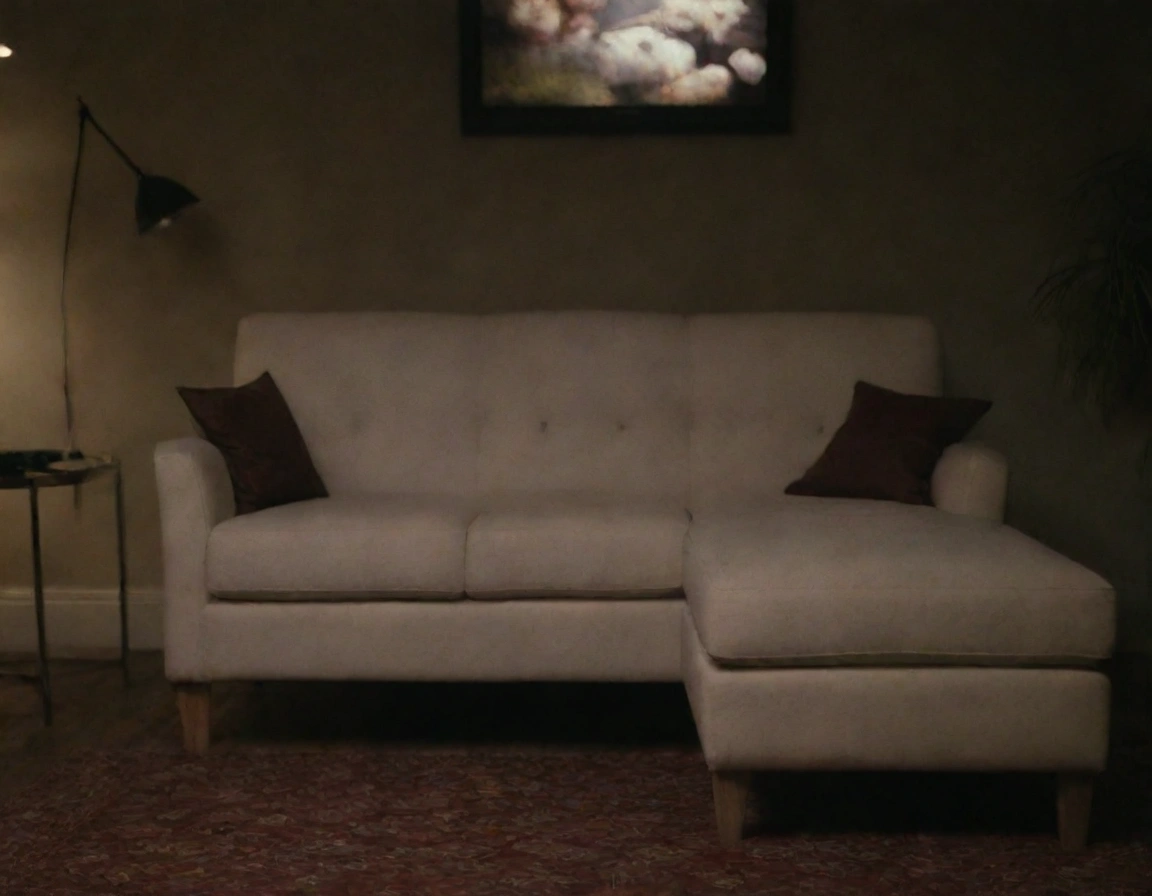
So you’ve got a chaise longue sofa that’s seen better days. Maybe the fabric’s faded from sunlight, maybe your cat decided it’s a scratching post, or maybe you’re just bored of looking at the same old beige. A custom cover is the cheapest way to fix all three problems at once.
And no, you don’t need a sewing machine. In 2026 there are no-sew options that hold up just as well as stitched ones. Here’s how to make a cover for your chaise longue sofa without losing your mind or your security deposit on fabric.
Measure Your Chaise Longue Like You Mean It
Get a tape measure and a notebook. A chaise longue isn’t a regular sofa, so you can’t just measure length and width and call it a day. You need the full length from the backrest to the foot of the chaise, the width across the seating area, the depth of the seat cushion, and the height of the backrest and armrests.
Measure each section separately: the main sofa part, the chaise extension, and any removable cushions. Write everything down in centimeters and double-check it. A chaise longue sofa cover that’s even 5 cm short will pucker at the corners and look homemade in the bad way.
Add 3 to 5 cm to every measurement for seam allowance and hemming. If you’re doing a no-sew version with fabric adhesive or iron-on tape, add the same buffer. Trust me on this one: fabric stretches, and you’d rather trim excess than discover you’re short.
Pick a Fabric That Survives Real Life
Not all fabrics are created equal, and the wrong choice will have you remaking this cover in six months. For a chaise longue sofa cover, go for heavy cotton, canvas, microfiber, or linen blends. These handle daily wear, don’t pill easily, and can be machine washed.
If you’ve got kids, pets, or a partner who eats on the couch, pick something stain-resistant. Microfiber and treated canvas are your best bets. Avoid anything silky, stretchy, or loosely woven, it’ll slide around and snag.
Color matters more than you think. A busy pattern hides stains and wrinkles; a solid dark color shows every crumb and pet hair. If your living room is neutral, a textured fabric in a mid-tone works better than flat black or white. And always pre-wash your fabric before cutting, because shrinkage after the fact is a nightmare.
No-Sew Cutting: The Part Where People Screw Up
Lay your fabric flat on a clean floor or a big table. Use chalk or a fabric marker to draw your pieces based on the measurements. A long ruler and rotary cutter give you straight lines; scissors work but you’ll get wobbly edges if you rush.
Cut the main body piece first, then the chaise extension, then the cushion covers. Label each piece with a piece of masking tape so you don’t mix them up. This is where a chaise longue sofa cover project either goes smoothly or turns into a puzzle you can’t solve.
For no-sew construction, you’ll use iron-on hem tape (like HeatnBond) or fabric glue. Iron-on tape is stronger and looks cleaner, but you need an iron and a steady hand. Fabric glue works for corners and small fixes but can get messy on long seams.
Assembling Without a Sewing Machine
Start with the biggest pieces and work toward the smaller ones. Fold your hem, place the iron-on tape inside, and press according to the package instructions. Usually 10 to 15 seconds per section with firm pressure.
For the chaise extension, you’ll likely need to create a fitted corner. Cut a diagonal slit at the inner corner, fold the fabric under, and tape or glue it down. This is the trickiest part of any chaise longue sofa cover, so take your time and check the fit on the sofa before sealing anything permanently.
If your sofa has curved arms or a fixed backrest, you’ll need to dart the fabric. Darts are just folded triangles that you tape down to shape the fabric around curves. It’s not pretty on the inside, but nobody sees the inside.
Securing the Cover So It Stays Put
A cover that shifts every time you sit down is useless. Add Velcro strips along the back edge and under the seat cushions. Ties work for a more casual look, and buttons or snaps give a tailored finish.
For a chaise longue sofa cover, the most important anchor points are the back corners and the foot of the chaise. If those stay put, the rest usually follows. You can also use a fitted sheet-style elastic band around the base if you’re covering a boxy frame.
Test it by sitting, lying, and getting up a few times. If it bunches, adjust your anchors. If it wrinkles, your fabric might be too stiff, and you should consider a softer blend next time.
Realistic Costs and Time in 2026
Fabric for a standard chaise longue runs about 3 to 4 meters. At €8 to €15 per meter for decent canvas or microfiber, you’re looking at €30 to €60. Iron-on tape costs around €5 to €10, and Velcro adds another €5. Total: under €80 for a custom cover that would cost €200+ from a store.
Time-wise, a no-sew chaise longue sofa cover takes 3 to 5 hours if you measure carefully. Sewing would take longer and require equipment most people don’t have. The no-sew route is faster, cheaper, and honestly just as durable if you use quality tape.
The catch? No-sew covers don’t survive repeated washing as well as sewn ones. Expect to reinforce the tape every 6 to 12 months if you wash it often. That’s the trade-off, and it’s worth it for most people.
Mistakes That Ruin the Whole Project
- Not pre-washing fabric: It shrinks, and your cover won’t fit after the first wash.
- Cutting without a buffer: Always add extra centimeters. Always.
- Using cheap tape: Budget iron-on tape peels off in weeks. Spend the extra few euros.
- Ignoring the chaise corner: That inner corner needs a slit and a dart, or it’ll bunch forever.
- Skipping anchors: No Velcro, no ties, no stay-put. It’s that simple.
If you nail the measurements, pick the right fabric, and anchor it properly, your chaise longue sofa cover will look like it came with the sofa. If you rush it, you’ll have a wrinkled mess that slides off every time someone sits down. The difference is about two hours of careful work. Do it right the first time.