

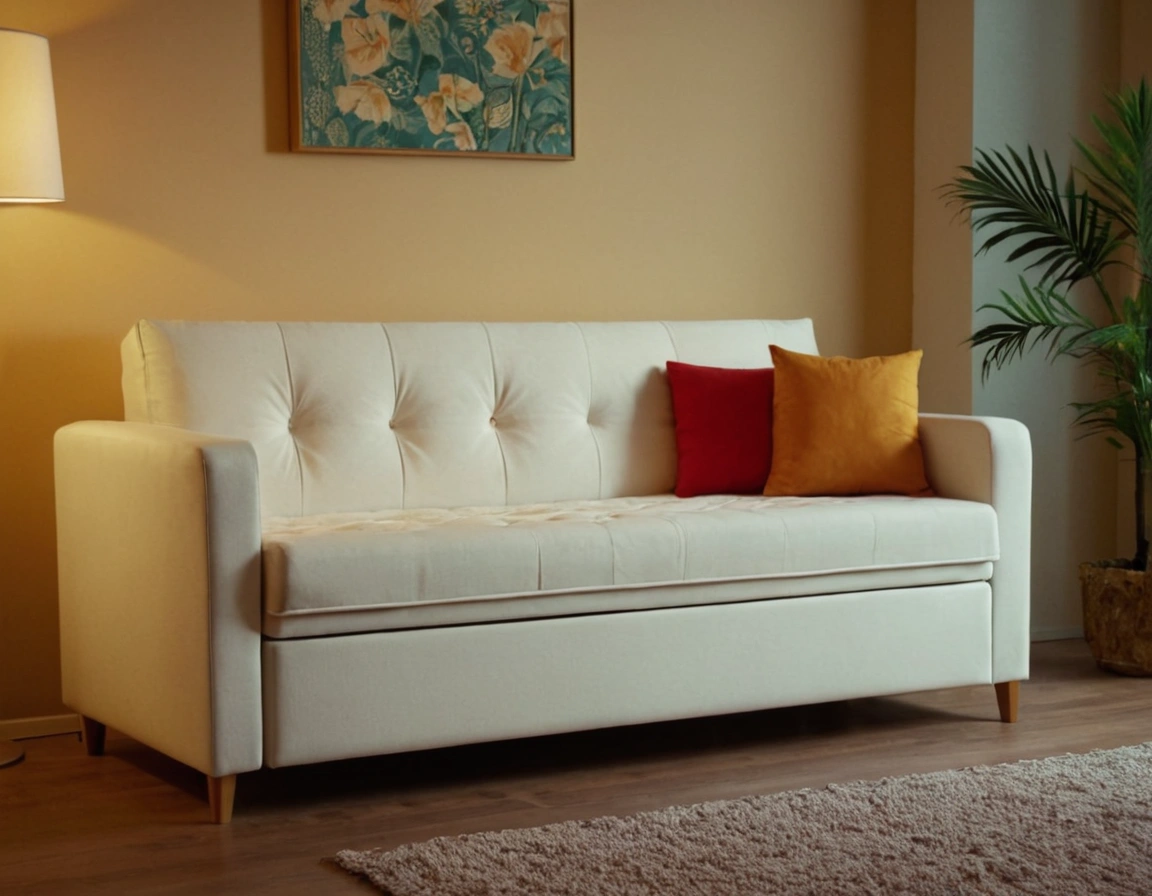
Spilling coffee on your sofa feels like a small tragedy. You freeze, you curse, and then you stare at that dark blot spreading into the weave. I’ve been there more times than I’d like to admit, and after ruining one cushion with hot water and panic, I learned the hard way that how to remove coffee stains from a sofa is less about scrubbing hard and more about moving fast with the right stuff.
Here’s the truth nobody tells you: most upholstery isn’t ruined by the spill. It’s ruined by the wrong reaction in the first sixty seconds.
Act Fast, But Don’t Rub Like a Maniac
The single biggest mistake is rubbing. I don’t care how tempting it is — rubbing pushes the liquid deeper into the foam and spreads the stain sideways. Grab a clean, dry cloth or a stack of paper towels and blot. Press down, lift, repeat. You want to absorb, not smear.
If you’re dealing with a fresh coffee spill, blot until the towel comes up almost dry. That alone can save you from a permanent mark. If the sofa has a removable cover, check the tag before anything else. A “W” means water-based cleaners are fine, “S” means solvent only, and “WS” gives you both options. Ignore that tag and you might set the stain for good.
For dried stains, rehydrate first. A little warm water on a cloth, dabbed over the crusty area, softens it so the cleaning solution can actually work. Skipping this step is why so many people give up and call a pro.
The DIY Solutions That Actually Work on Upholstery
Once you’ve blotted, mix a teaspoon of mild dish soap with two cups of warm water. Dampen a microfiber cloth — not soaking wet — and dab from the outside of the stain toward the center. Working inward stops the ring from spreading.
If that doesn’t cut it, white vinegar is your next weapon. Mix one part vinegar with two parts water and apply the same way. Vinegar neutralizes odors and breaks down tannins in coffee and tea, which is why it’s a staple in any upholstery stain removal routine. Test it on a hidden spot first, especially on silk or wool.
For stubborn set-in marks, an enzymatic cleaner is the real MVP. These products use enzymes to digest the proteins and oils left behind by coffee, tea, and soda. Spray it on, wait the full time the label says — usually 10 to 15 minutes — then blot with a damp cloth. Don’t rush the dwell time; that’s where the magic happens.
Tea Stains on Fabric: Cold Water Is Non-Negotiable
Tea might look lighter than coffee, but on a cream-colored couch it leaves a nasty brown ghost. The rule here is simple: cold water only. Hot water sets the tannins and basically tattoos the stain into the fabric.
Blot the excess, then dab with a mix of cold water and a few drops of mild detergent. If the mark lingers, make a paste with baking soda and water, spread it over the stain, and let it sit for five minutes. Baking soda lifts the pigment without being harsh. Wipe it away with a damp cloth and repeat if needed.
Vinegar works here too, but go easy. A 1:2 vinegar-to-water ratio is plenty. And whatever you do, test on the back of the sofa first. I once watched a friend bleach a navy armchair with undiluted vinegar because she skipped that step. Learn from her pain.
Soda Spills: Sticky, Sugary, and a Magnet for Dirt
Soda is a different beast. It’s sugary, so if you don’t get it all out, the residue turns into a flytrap for dust and pet hair. Blot the liquid immediately with paper towels, then clean with warm water and a drop of liquid soap.
If the soda left a colored mark — think cola or grape — diluted white vinegar will help lift both the tint and the smell. For light-colored fabrics, a 50/50 mix of hydrogen peroxide and water can work wonders, but be careful: peroxide can bleach. Test it on a hidden area, and never use it on dark or delicate materials.
Finish every treatment by wiping with clean water to remove soap residue. Leftover cleaner attracts dirt and can make the fabric stiff or discolored over time. Then let the sofa air-dry completely. Don’t sit on it while damp — you’ll just press the remaining moisture deeper into the cushion.
When to Stop DIY and Call a Pro
There’s a point where homemade tricks stop being smart. If the stain has been there for weeks, if the fabric is silk, velvet, or antique, or if you’ve already tried three methods without success, stop. Keep going and you risk fading, water rings, or a bigger repair bill.
Professional upholstery cleaners have solvent-based solutions and extraction tools that pull residue out instead of just pushing it around. For a sofa that costs more than your monthly rent, that’s money well spent.
One more thing: after any successful cleanup, consider a fabric protector spray. It won’t make your sofa invincible, but it buys you precious seconds the next time someone knocks over a mug. And in a house with kids or clumsy roommates, those seconds matter.