

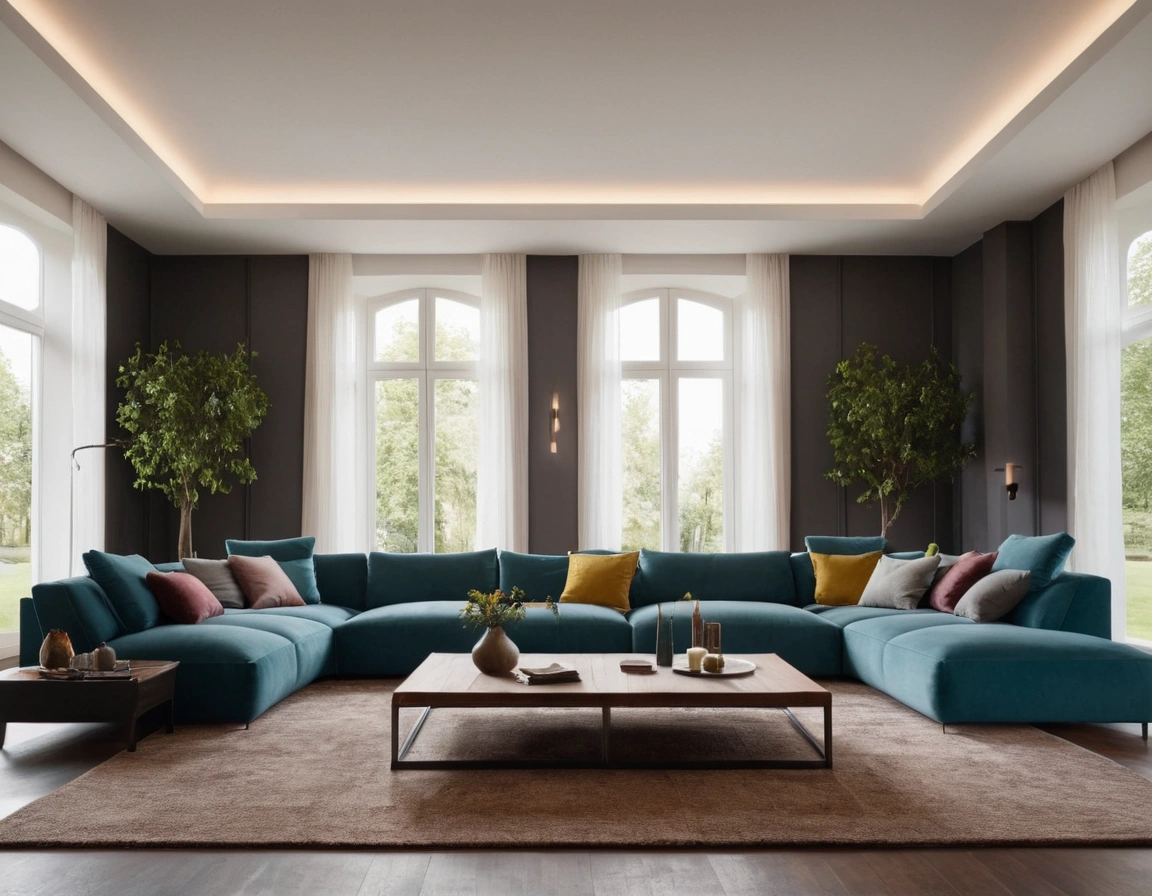
Choosing cushions for a modular sofa isn’t the same as grabbing a few throw pillows at random. A modular sofa is a chameleon piece, and the cushions are what decide whether it looks like a showroom model or a chaotic pile of fabric. Get this right and your living room jumps a level. Get it wrong and you’ll feel it every single time you sit down.
Start With the Module, Not the Cushion
Before you fall in love with a print online, measure the actual seat depth and back height of each module. A cushion that looks generous on a standard three-seater can look undersized on a deep chaise module, and the reverse is just as awkward. Big, plush cushions work when you want that sunk-in luxury feel, but on a narrow module they swallow the seat and leave no room to actually sit.
My rule: the cushion should cover roughly 60-70% of the seat depth. That gives you the visual weight without eating the usable surface. For back support, aim for cushions around 45-50 cm square on standard modules, and size up to 55-60 cm on corner or chaise units.
Fill Material Decides Everything Long-Term
Here’s where most people get burned. A cheap polyester-filled cushion looks great in the store and turns into a pancake within three months of daily use. If you want cushions that keep their shape on a modular sofa, look for high-resilience foam cores wrapped in a feather or down blend. That combo gives you structure plus that soft, sink-in feel that makes an afternoon of binge-watching genuinely comfortable.
Pure feather cushions are luxurious but need daily fluffing and re-shaping. Pure foam is firm and durable but feels stiff. The hybrid is the sweet spot, and it’s what most quality sofa brands now use for a reason.
Firmness by Function
- Back cushions: medium-firm, 45-50 cm, slightly underfilled so they mold to your spine
- Seat cushions: firm HR foam, no exceptions if you use the sofa daily
- Lumbar cushions: smaller, denser, 30×50 cm is the sweet spot
- Decorative only: feather or fiber, anything goes
Color and Texture: Pick a Lane and Commit
If your modular sofa is neutral — beige, grey, off-white — you have total freedom, and honestly, you should use it. Vibrant tones, geometric prints, boucle, velvet, chunky wool: this is where you inject personality without repainting walls or buying new furniture.
But here’s the thing nobody says out loud: three different patterns on one sofa looks messy. Two is the ceiling. Pick a base color, add one accent tone, and vary texture instead of pattern. Velvet in a muted tone next to a wool boucle in the same family reads as intentional design. Five mismatched prints read as a yard sale.
Washable Covers Are Non-Negotiable If You Have Kids or Pets
Removable, machine-washable covers aren’t a nice-to-have. They’re the difference between a sofa that lasts five years and one that looks tired in eighteen months. Look for hidden zips, pre-shrunk fabric, and covers that survive a 30°C wash without pilling.
Performance fabrics like solution-dyed acrylic or tightly woven cotton blends handle spills far better than linen or raw silk. If your modular sofa cushions are going to see daily use, easy-care material is worth more than any designer label.
How to Arrange Cushions on a Modular Sofa Without Overloading It
The temptation is to pile on six or seven cushions. Don’t. The classic styling rule of “odd numbers, mixed sizes” works, but only if you respect proportion. A corner module needs two cushions max: one for back support, one decorative. A straight module needs one or two.
Alternate sizes — a 50 cm square next to a 30×50 cm lumbar — so the eye moves across the sofa instead of stopping at one blob. And leave breathing room between cushions. Empty seat space isn’t wasted; it’s what makes the arrangement look curated rather than stuffed.
Zone Your Space With Cushion Groupings
In an open-plan living room, cushions are quietly doing architectural work. A tight cluster of warm-toned cushions at one end of a modular sofa defines a reading nook. A looser, cooler-toned arrangement at the other end signals the TV zone. Same sofa, two distinct spaces, zero walls required.
Seasonal Swaps Are Cheaper Than Redecorating
Changing cushion covers between seasons is the single cheapest way to make a room feel new. Lightweight linen and pale tones in summer; velvet, boucle, and burnt oranges or deep greens in winter. You keep the same sofa, the same frame, and swap the entire mood for the price of a few covers.
Pair them with a matching throw blanket and you get a layered look that reads as designed, not accidental. Bonus: throws also protect the sofa fabric from everyday wear on the most-used modules.
Don’t Sacrifice Comfort for Looks — Ever
A cushion that photographs beautifully but flattens under your lower back is a failure. Modular sofas exist to be lived in: movie marathons, naps, long conversations. Every seat should have at least one cushion that provides real lumbar support and one decorative layer on top. That’s the formula.
Skip the cutesy novelty shapes unless they’re strictly decorative and moved out of the way when someone actually sits. Function first, aesthetics second — but when you get both right, nobody can tell where one ends and the other begins.