

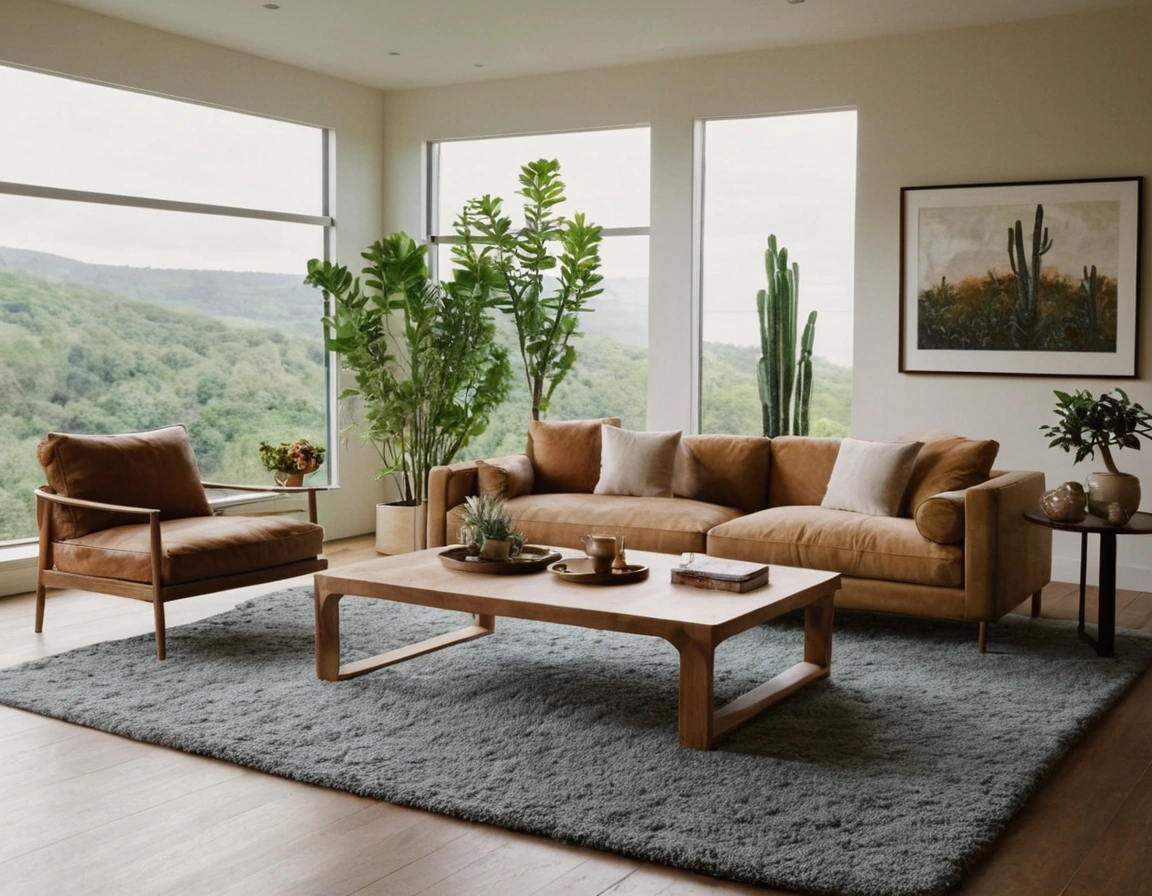
Forget everything you’ve read about buying a modular sofa. Most guides recycle the same bland advice: measure your room, pick a fabric, done. That’s nonsense. A modular sofa is a system, not a piece of furniture, and if you don’t treat it like one you’ll end up with an expensive puzzle that never quite fits. Here’s what actually matters in 2026.
Start With the Room, Not the Sofa
The single biggest mistake people make when choosing a modular sofa for their home is falling in love with a configuration before checking whether it physically fits. Modular sofas are forgiving, yes, but they’re not magic. A corner module can run 40 to 44 inches deep, and a chaise can eat up nearly 70 inches of floor. Measure your space, then subtract 30 inches of walking clearance around the main seating area.
If your living room is under 200 square feet, skip the U-shape. Go with an L-shape plus an ottoman you can push around. That’s the configuration that actually works in tight apartments, and it’s the one most people regret not choosing.
Module Count: The Math Nobody Explains
A standard modular sofa seats roughly 26 to 28 inches per person. So a 4-seater needs about 110 inches of linear seating. If you have a family of five, don’t buy a 3-seater and hope for the best. Add a corner module plus two armless chairs and you get real flexibility without committing to a giant footprint.
Here’s the part retailers won’t tell you: modular sofas are only worth it if you actually plan to reconfigure them. If you’re going to build one L-shape and never touch it again, a regular sofa is cheaper and often more comfortable. The modular premium, usually 15 to 30 percent more, only pays off if you move, host, or rearrange.
Fabric and Frame: Where Cheap Sofas Fall Apart
Polyester blends under 30,000 Martindale rubs are a waste of money if you have kids or pets. Aim for 40,000+ rubs, or go with performance fabrics like Sunbrella or Crypton. They cost more upfront, but a modular sofa with a hardwood frame and high-resilience foam will outlast three cheap ones.
Check the frame material before anything else. Kiln-dried hardwood or plywood with corner blocks? Good. Particleboard or MDF? Walk away. The frame is the one part you can’t replace later, and it’s the part most budget modular sofas cut corners on.
Configuration Ideas That Actually Work
Think of your modular sofa as furniture you’ll rearrange at least twice a year. Here are configurations people actually keep:
- Studio apartment: 2-seater + chaise + ottoman. Seats three, sleeps one guest.
- Family living room: Corner + 2 armless + 1 armchair module. Seats five comfortably.
- Entertainment space: 4 armless modules in a straight line, plus two ottomans for flexible seating.
- Small condo: L-shape with a reversible chaise so you can flip it when you move.
One thing I’ll defend hard: reversible chaises are non-negotiable if you rent. You never know which wall your next living room will need the chaise on, and a non-reversible one becomes dead weight.
Comfort Traps to Avoid
Deep seats sound luxurious until you’re 5’4″ and your feet dangle. Anything over 24 inches of seat depth is a problem for shorter people. Test the sofa in person if you can, and if you’re buying online, check the seat height. Under 17 inches is low, over 20 is high. The sweet spot is 18 to 19 inches.
Also, cushion fill matters more than fabric when it comes to comfort. Down-wrapped foam feels amazing but needs fluffing weekly. High-resilience foam holds shape but feels firmer. A combo of foam core with a down topper is the compromise most people end up loving.
What It Costs in 2026
Expect to pay $1,200 to $2,500 for a decent modular sofa from mid-range brands, and $3,000 to $6,000 for premium ones. Anything under $800 is almost certainly particleboard with low-density foam, and you’ll feel it within a year. Modular sofas that transform your living room aren’t cheap, but they’re the last sofa you’ll buy for a decade if you choose well.
Don’t finance a sofa over 5 years. If you need to, you’re buying too much sofa. Buy fewer modules now and add later, that’s the whole point of modular.
The Verdict
Choosing the perfect modular sofa for your home comes down to three things: frame quality, honest measurements, and whether you’ll actually rearrange it. Get those right and you’ll have a sofa that adapts to your life instead of the other way around. Get them wrong and you’ll be stuck with an overpriced puzzle that never quite fits.