

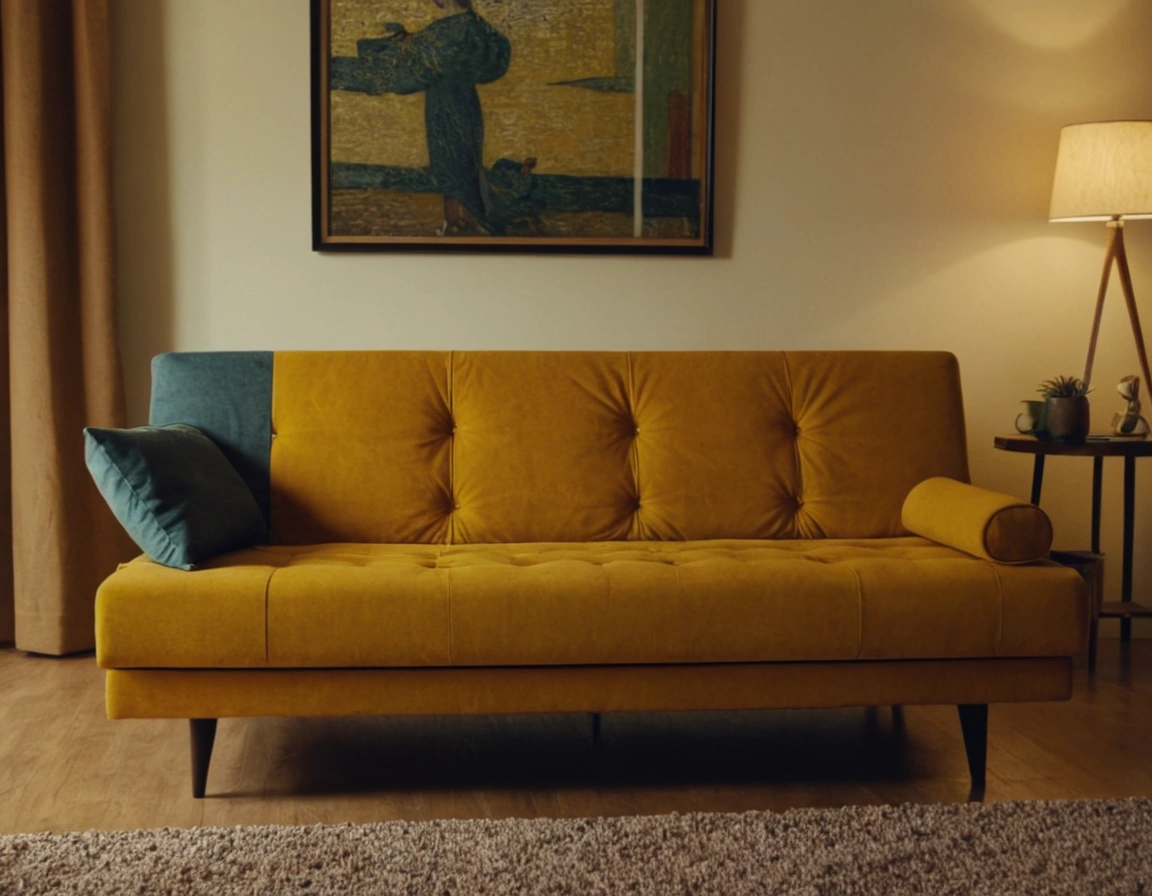
Look, if you live in a 40-square-meter flat in Madrid, London, or Mexico City, you already know the struggle: a bed, a sofa, and suddenly you’re tripping over furniture. A sofa bed sounds like the magic fix. And honestly, most of the time it is. But not always. Let me break down what nobody tells you before you drop 600 euros on one of these things.
The sofa bed advantages and disadvantages debate isn’t as clean-cut as IKEA ads make it look. Yes, you save space. Yes, you get two functions in one piece. But there’s a real cost in comfort, durability, and how often you’ll actually unfold the damn thing. Let’s dig in.
What Actually Makes a Sofa Bed Worth It in a Small Apartment
The core argument for a sofa bed for small apartments is brutal logic: in a studio, you have roughly 30 usable square meters. A queen bed eats up 4 m². A decent sofa eats another 2 m². A sofa bed does both jobs in about 2.5 m². That’s real, measurable space back in your pocket.
Beyond the math, the flexibility matters. You’re not just saving floor space — you’re saving a whole room. That spare bedroom you don’t have? It’s folded into your living room, ready whenever a friend crashes or your kid needs a sleepover spot.
And here’s a point people miss: a sofa bed forces you to keep the space clean. You can’t leave clothes piled on the sofa if you’re going to convert it into a bed at midnight. It’s a subtle discipline tool.
The Honest Downsides Nobody Puts on the Box
Let’s kill the fantasy. A sofa bed mattress is rarely as comfortable as a proper bed. Most models under €500 use thin foam or innerspring mattresses that are 10–12 cm thick. Sleep on that for a week straight and your lower back will file a complaint.
Then there’s the mechanism. Click-clack systems are cheap and easy but tend to fail after a couple thousand cycles. Folding metal frames squeak. Pull-out systems with memory foam mattresses are far better, but they start around €800–1,200 and weigh a ton.
And the weight thing is real. A good sofa bed can weigh 80–120 kg. If you live on the fifth floor with no elevator, good luck getting it up there. Plus, moving it around to clean behind it becomes a two-person job.
Sofa Bed vs Traditional Bed: The Real Comparison
If you sleep on the same surface every single night, buy a real bed. That’s not an opinion, that’s physics. A dedicated mattress distributes weight properly and lasts 8–10 years. A sofa bed mattress, even a good one, is designed for occasional use and typically gives you 3–5 years before it sags.
But if you’re in a one-bedroom apartment with a home office, or a studio where the bedroom literally doesn’t exist, the comparison flips. You don’t need a better mattress — you need a better use of the space you have.
Rule of thumb: if you sleep on it more than 4 nights a week, get a proper bed. If it’s for guests and the occasional nap, a sofa bed is the smarter buy.
How to Choose a Sofa Bed Without Getting Scammed
Check three things before paying: mechanism type, mattress thickness, and frame material.
- Mechanism: Pull-out (with built-in mattress) beats click-clack for comfort. Avoid anything where the mattress is thinner than 10 cm.
- Frame: Solid wood or powder-coated steel. Stay away from particleboard on a sofa bed — it cracks under repeated folding.
- Fabric: Microfiber or linen blends handle wear better than cheap polyester. If you have pets, go for removable covers.
Also test it in the store. Actually lie down on it, unfolded. Not for 5 seconds — for 5 minutes. If your hips sink or you feel a bar through your ribs, walk away.
Real-Life Scenarios Where a Sofa Bed Wins
Case one: you rent a studio in a big city and pay rent per square meter. A small apartment sofa bed here isn’t a compromise, it’s the only rational choice. You literally cannot fit a separate guest bed.
Case two: you have a spare room used as an office 90% of the time. A sofa bed converts it into a guest room in 30 seconds without giving up the desk.
Case three: you’re a digital nomad moving every 12–18 months. A sofa bed is easier to transport than a bed plus a sofa. Fewer pieces, less hassle.
Case four — the exception — you host guests every single weekend for years. Here I’d push back: get a proper bed with a trundle or a Murphy bed. Your guests will thank you, and your sofa bed won’t collapse in year three.
The Verdict: Buy One, But Buy Smart
For most people in small apartments, a sofa bed is the right call. But the cheap €250 model from a discount store will ruin your back and break in two years. Spend the extra €300–500 and get one with a decent mattress and a solid pull-out mechanism.
That’s the difference between a piece of furniture you regret and one you keep for a decade. Sofa bed pros and cons don’t cancel each other out — they just tell you where to spend your money.
If your priority is maximum comfort every night, buy a bed. If your priority is maximum function in minimum space, buy a good sofa bed. There’s no third option that magically does both perfectly — anyone who tells you otherwise is selling something.