

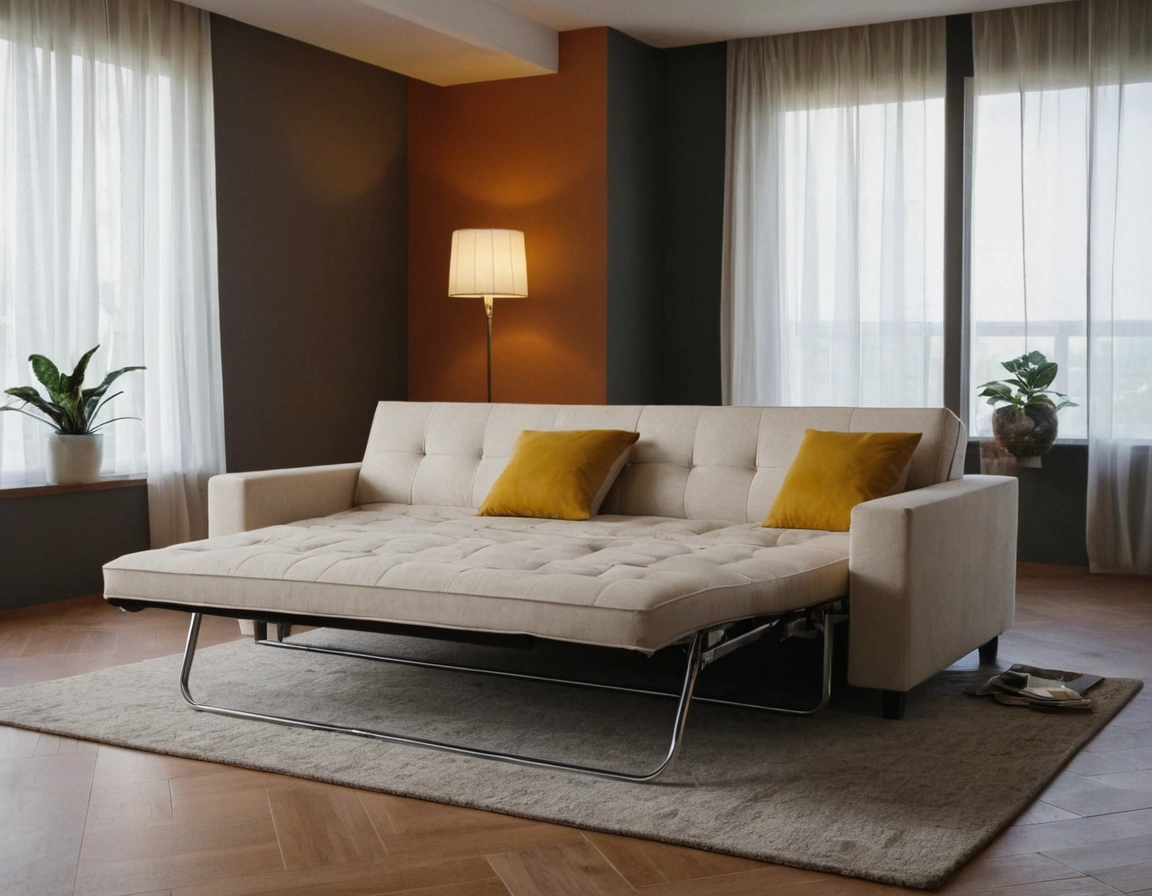
Sleeping on a sofa bed every single night sounds like the ultimate space-saving move, especially if you live in a studio or a tiny flat where every square foot costs a fortune.
But before you ditch your real bed and commit to the convertible life, you need to hear the ugly truth: most sofa beds are built for guests, not for your spine. I dug into this because the marketing around these things is borderline dishonest, and the answer is more nuanced than a simple yes or no.
The short version: you can sleep on a sofa bed every night, but only if you pick the right one and accept some real trade-offs. A cheap click-clack from a discount store will wreck your lower back within a month. A high-end model with a proper mattress can genuinely work as a full-time bed. The gap between those two extremes is huge, and it’s where most people get burned.
Is a Sofa Bed Good for Sleeping Every Night? The Honest Answer
When people ask whether a sofa bed is good for sleeping every night, they usually want a clean yes or no. I won’t give them one, because the honest answer depends entirely on the mattress inside it.
Traditional sofa beds use a thin, folding mattress that’s maybe 10-12 cm thick, sometimes less. That’s fine for a weekend guest. For 365 nights a year, it’s a slow-motion disaster for your lumbar support.
Modern models have changed the game, though. Brands now sell sofa beds with memory foam mattresses, pocket spring systems, and even latex cores. Those can deliver the kind of support you’d get from a mid-range conventional bed.
The catch is price: expect to pay two to three times what a basic sofa bed costs. If your budget is tight, you’re better off buying a regular bed and a cheap sofa than a bargain sofa bed you’ll hate by month three.
Sleeping on a bad sofa bed every night is like wearing shoes two sizes too small. You might survive it, but your body will file a complaint. That’s exactly why weighing up the full picture matters so much when you’re considering a Sofa Bed for Daily Sleeping, from the real benefits to the hidden drawbacks.
Pros of Using a Sofa Bed as Your Main Bed
The advantages of sleeping on a sofa bed daily are real and worth weighing up. Here’s what actually works in its favour:
- Space efficiency: You reclaim an entire room. In a 30 m² flat, that’s the difference between a livable home and a claustrophobic box.
- Cost savings: One piece of furniture instead of two. No separate guest room, no second mattress, no extra bedding storage.
- Flexibility: Your living room becomes a bedroom at night and a lounge by day. Great for hosting, working from home, or just not staring at a bed all evening.
- Guest readiness: If you get visitors often, you’re always prepared without sacrificing daily living space.
The space-saving argument is the strongest one. In cities like London, Paris, or New York, where rent eats half your salary, a sofa bed that doubles as your main bed is a rational financial decision, not a compromise. I’d defend that choice any day over paying for a bedroom you barely use.
Cons You Can’t Ignore Before Committing
Now the uncomfortable part. The disadvantages of sleeping on a sofa bed every night are not minor, and pretending otherwise is how people end up with chronic back pain.
First, mattress durability. Folding mattresses crease in the same spots night after night. Those creases become valleys, and valleys mean poor spinal alignment. A conventional bed mattress distributes your weight evenly. A folding one often doesn’t, especially in the middle section where the mechanism sits.
Second, the mechanism itself. Cheap metal frames squeak, sag, and eventually break. If you’re opening and closing that thing twice a day for years, you’re putting serious wear on the hinges and springs. A high-quality mechanism from a reputable brand (think Clei, Resource Furniture, or Campeggi for the premium end) is built for daily use. A no-name model from a marketplace is not.
Third, humidity and airflow. Sofa bed mattresses sit folded inside a frame all day. That traps moisture and can lead to mould or dust mites if you don’t air them out regularly. A traditional bed breathes. A folded sofa bed often doesn’t.
Is It Healthy to Sleep on a Sofa Bed Every Night?
From a health standpoint, the question isn’t whether a sofa bed is inherently bad, it’s whether the specific mattress gives you adequate support.
Orthopaedic specialists generally recommend a medium-firm surface that keeps your spine neutral. If your sofa bed mattress is too soft or too thin, your hips sink and your lower back arches. Do that for months and you’re looking at stiffness, pain, and potentially long-term issues.
There’s a workaround many people miss: buy a sofa bed with a replaceable mattress, or add a high-density mattress topper. A good 5-7 cm memory foam topper can transform a mediocre sofa bed into something genuinely sleepable.
It’s not a perfect fix, but it’s cheap and it works. I’d argue it’s the single smartest upgrade for anyone sleeping on a convertible every night.
How to Choose a Sofa Bed for Daily Sleeping
If you’re going all in, here’s what actually matters when you’re shopping for a sofa bed for daily sleeping:
- Check the mattress thickness and material first.
- Look for a mechanism rated for daily use.
- Make sure replacement parts are available.
Get those three right and the rest is just style.