

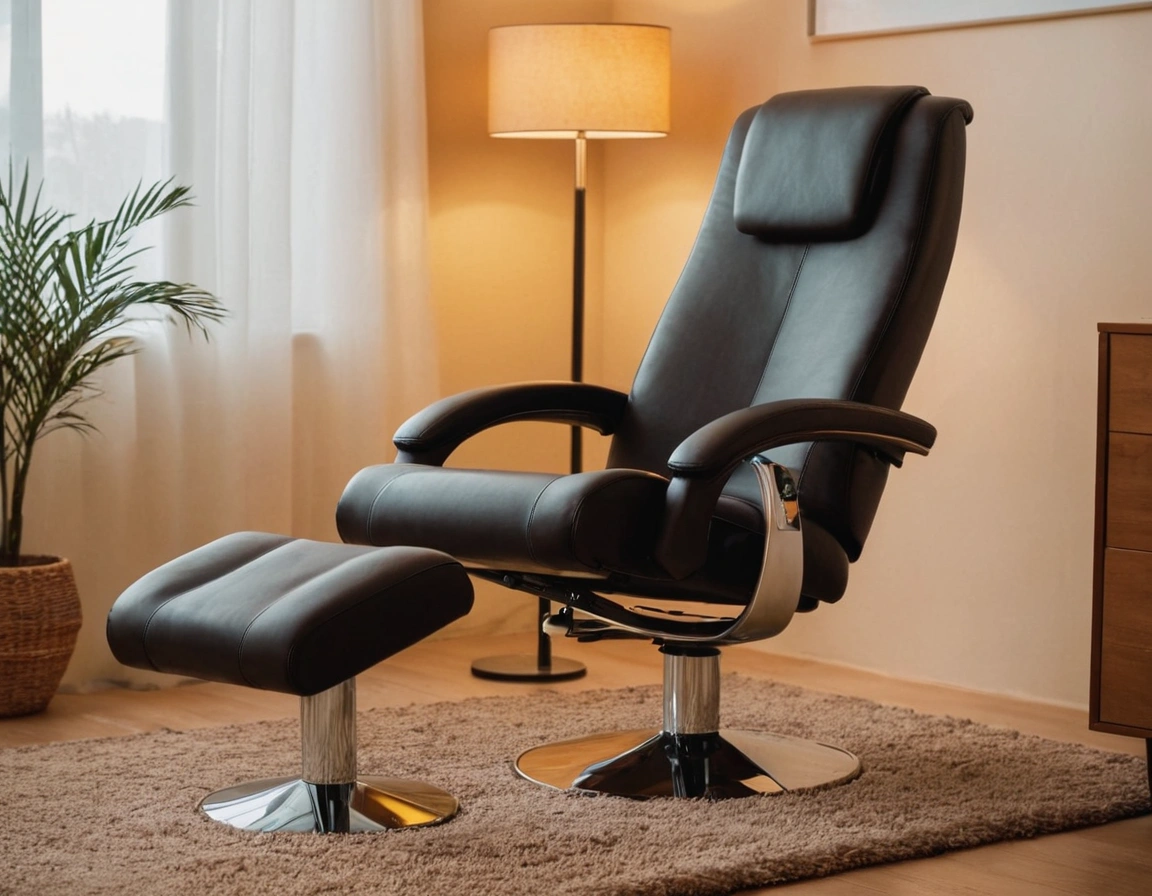
Look, if you’re still thinking that an office chair is just a place to park your butt for eight hours, you’re leaving money on the table. Relaxation armchairs for offices have quietly become one of the smartest investments a company can make in 2026, and the productivity numbers back it up. This isn’t some wellness guru fluff — it’s about blood flow, stress hormones, and the brutal reality that a stiff back kills focus faster than any Slack notification.
Why Your Body Is Sabotaging Your Output (And How Relaxation Armchairs Fix It)
Sitting is the new smoking, they say. I don’t fully buy that slogan, but the core problem is real: when you sit for hours, your circulation slows, your muscles tighten, and your brain gets less oxygen. A massage chair for the office attacks that problem directly. The rollers and airbags work on your lumbar area and shoulders, pushing blood back into circulation. That’s not a luxury — that’s basic maintenance for anyone who types for a living.
The other thing nobody talks about enough: mental fatigue. Stress at work doesn’t just live in your head. It lodges in your trapezius and lower back, and once those knot up, your decision-making gets sloppy. Ten minutes in a relaxation armchair with shiatsu function can reset that. I’ve seen teams where a single chair in a break room changed the whole afternoon vibe.
Massage Chairs vs. Regular Ergonomic Chairs: A Real Comparison
Here’s where I’ll take a side. A standard ergonomic chair with lumbar support is fine — necessary, even. But it’s passive. It holds you in a decent posture and that’s it. A massage office chair is active. It intervenes. It doesn’t just prevent damage; it repairs some of the daily wear.
- Circulation: Ergonomic chairs keep you from slouching. Massage chairs actually move fluid through your legs and back.
- Stress: A good chair with vibration or kneading modes lowers perceived tension in minutes, not hours.
- Energy: Active breaks with a massage function beat a coffee refill for sustained focus in the late afternoon.
- Cost: Yes, they cost more upfront. But one decent model shared by a team of ten costs less than a single sick day per person.
Don’t fall for the idea that these chairs are distractions. A distraction is your phone buzzing every ninety seconds. A structured five-minute massage break is a tool. The difference is whether your company treats it as a perk or as part of the workflow. I’d argue it should be scheduled, just like any other productive pause.
What to Look For in an Office Relaxation Armchair in 2026
The market has exploded. You’ll find everything from cheap vibrating seats to full zero-gravity massage chairs that recline almost flat. For an office, I’d skip the extreme recline models — they take up too much space and look odd in a conference room. What you actually want is a chair with adjustable intensity, at least three massage styles (rolling, kneading, tapping), and a timer so people don’t camp out for an hour.
Fabric matters too. Premium upholstery like breathable mesh or high-density foam holds up better in shared spaces. And if you’re buying for multiple people, look for models with a quick-reset function so the settings don’t get stuck on whoever used it last. Small detail, but it kills adoption if ignored.
Shiatsu, Vibration, or Both? My Honest Take
Shiatsu-style massage is the real deal — it mimics thumb pressure on specific points and gives you that deep, satisfying release. Vibration is cheaper and more superficial, but it’s not useless. For a quick midday wake-up, vibration works. For actual muscle recovery after a long week, you want shiatsu or a hybrid. If your budget only stretches to one, go shiatsu. You’ll thank me later.
The ROI Argument Nobody Wants to Hear
Let’s talk money, because that’s what gets leadership to sign off. A single relaxation armchair for the office runs anywhere from a few hundred to a few thousand dollars depending on features. Now compare that to the cost of lost productivity from tired, achy employees. Studies on workplace wellness consistently show that short active breaks improve concentration and reduce error rates. If a chair prevents even two mistakes a month in a team of five, it’s paid for itself inside a quarter.
Comfort isn’t a reward for good work. It’s a precondition for it.
And there’s the retention angle. People quit jobs over small indignities — a broken chair, a freezing office, a boss who doesn’t care. Offering a genuinely useful wellness tool signals that you’re paying attention. That’s worth more than a generic pizza Friday.
Ergonomic Fabric Armchairs: The Practical Middle Ground
If a full massage chair feels like overkill, consider a premium fabric ergonomic armchair with built-in lumbar heating and mild vibration. These bridge the gap between a standard office chair and a full massage unit. They look professional, they fit under a normal desk, and they still deliver a meaningful comfort upgrade. For open-plan offices where a reclining massage ch