

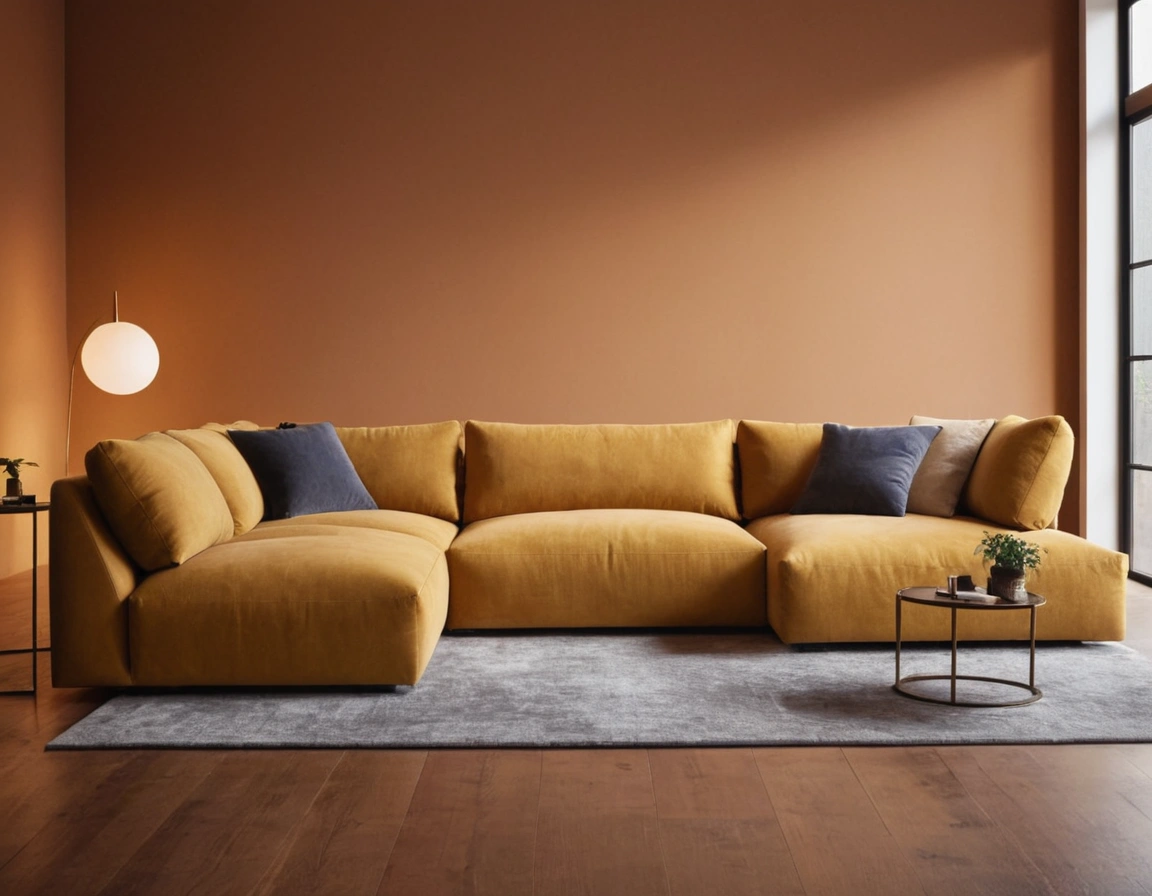
If you’re hunting for a modular sofa in 2026, the market is a minefield of cheap imports and overpriced designer labels. I’ve spent the last month digging through furniture forums, manufacturer specs and showroom floors to figure out what actually holds up. Here’s the real deal, no fluff.
Why a modular sofa is the only couch worth buying right now
Amodular sofa is not just a trend. It’s the only piece of furniture that adapts when you move flats, have kids, or suddenly need a guest bed. Fixed sofas are a gamble. Modular ones let you reconfigure a corner unit into a chaise, or split a three-seater into two armchairs. That flexibility is worth the extra cash, as long as you buy the right one.
Most people get this wrong by buying the first pretty thing they see online. Don’t. The difference between a sofa that lasts 15 years and one that sags in 18 months comes down to four things: frame, foam, upholstery and joinery. I’ll break each one down with real numbers.
Frame: solid hardwood or walk away
Ask any upholsterer and they’ll tell you the same thing: a modular sofa lives or dies by its frame. Solid kiln-dried hardwood (beech, oak, or birch) is the gold standard. It resists warping and holds screws tight for decades. Plywood is acceptable if it’s at least 15mm thick and rated for furniture — many Scandinavian brands use it well.
What you must avoid: particleboard, MDF cores, and cheap metal frames. I’ve seen metal modular frames from budget brands bend under a 90kg adult within a year. Pressed wood crumbles at the corner joints where the modules connect. If the spec sheet doesn’t name the wood, assume it’s junk.
One more thing — check the connector brackets. Good modular sofas use metal interlocking plates or heavy-duty steel pins, not plastic clips. Plastic clips snap. Metal ones don’t.
Foam density: the number nobody tells you
Here’s a stat that will change how you shop: high-resilience (HR) foam should be at least 35kg/m³ for seat cushions and 25kg/m³ for backs. Anything below 30kg/m³ on a seat will flatten within two years. Ask the seller for the density. If they don’t know, that’s your answer.
Feather-wrapped foam is the sweet spot for comfort and longevity, but it needs weekly fluffing. Pure down feels amazing for six months and then turns into a pancake. Memory foam is a gimmick in sofas — it gets hot and loses bounce.
When you sit on a modular sofa in a showroom, don’t just perch for 30 seconds. Sit for five minutes. Shift your weight. If you feel the frame through the cushion, the foam is too thin.
Upholstery: leather vs fabric in 2026
Leather is still the easiest to clean, but not all leather is equal. Full-grain and top-grain leather last decades. Bonded leather — which is basically leather scraps glued to a backing — peels within three years. Check the label. If it says “genuine leather” without specifying the grade, it’s usually bonded.
For fabric, look for tightly woven synthetics like olefin or solution-dyed acrylic. They resist stains and fading. Cotton and linen look gorgeous but stain fast and fade in sunlight. If you have pets or kids, go for a performance fabric with a rub count above 30,000 double rubs (Wyzenbeek test). That’s the industry benchmark for heavy domestic use.
Colour matters too. Mid-greys and warm neutrals hide dirt better than pure white or black. Textured weaves hide wear better than flat ones.
Module configuration: don’t buy more than you need
Most people oversize their modular sofa. A five-module corner setup looks great in a showroom but swallows a normal living room. Measure your space first. Leave at least 60cm of walking space around the sofa. If you can’t, size down.
Think about how you actually live. If you never host, a two-seater plus a chaise is enough. If you have guests weekly, a three-seater plus an ottoman that doubles as a bed is smarter. Reconfigurable arms and backrests are worth the premium if you plan to move house within five years.
What to check before you pay
- Warranty: frame should be covered 10+ years, foam 5 years minimum.
- Delivery: modular sofas often ship flat-packed. Check if assembly is included.
- Returns: custom modular orders are usually non-refundable. Confirm before ordering.
- Lead time: made-to-order sofas can take 12-16 weeks. Plan ahead.
One last harsh truth: if a modular sofa costs less than £800 for a four-seater, something is compromised. Usually the frame. Sometimes the foam. Always the longevity. Spend once, cry once.