

Ever sat on a sofa that felt like it was built for a toddler? You’re not alone. Sofa lifters are the weirdly simple fix nobody talks about, and in 2026 they’re selling faster than ever. But here’s the thing: most guides out there are written by people who’ve never actually bolted a riser onto a sagging couch. I have. Let’s cut the fluff.
The core problem is simple: modern sofas are getting lower. Manufacturers chase that sleek, low-profile look, but they forget that human knees don’t bend like they used to. If you’re over 40, or you’ve got a bad back, or you just hate that awkward shuffle to stand up, sofa lifters are the cheapest upgrade you’ll ever make to your living room.
What Are Sofa Lifters, Really?
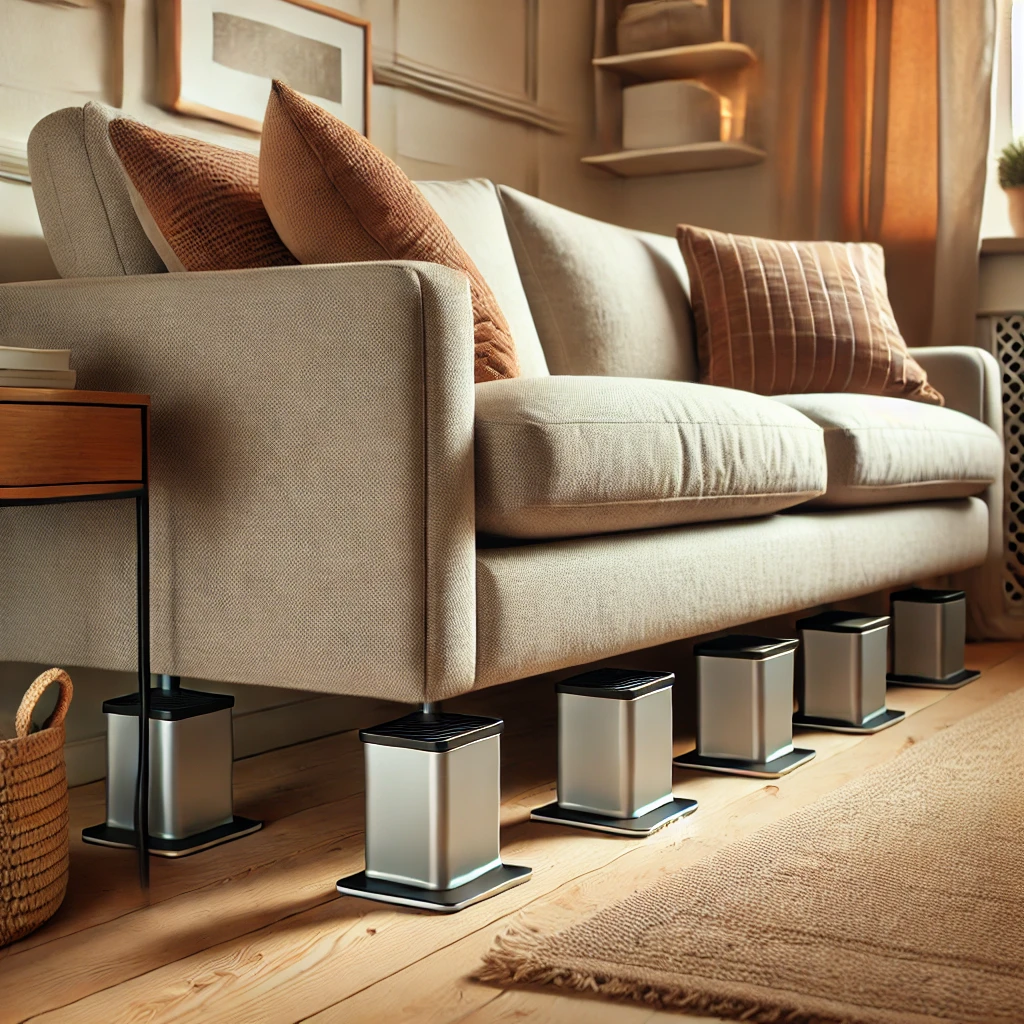
Forget the marketing jargon. Sofa lifters are blocks, wedges, or adjustable bases that go under your sofa’s existing legs. That’s it. They raise the seat height by anywhere from 2 to 6 inches, depending on the product.
There are two completely different things people confuse:
- Passive sofa lifters: static risers that just make the sofa taller. Cheap, no electricity, zero maintenance.
- Electric lift sofas: motorized recliners that tilt the whole seat forward to launch you onto your feet. These are for people with serious mobility issues and cost hundreds, sometimes thousands.
If you just want a taller couch, you want the first type. If you or a family member genuinely struggles to stand up, you want the second. Don’t mix them up, because the price difference is brutal.
Why Your Sofa Feels Too Low (And Why It Matters)
Standard sofa seat height in the US and Europe sits around 16 to 18 inches. Ergonomic guidelines from occupational health bodies suggest that for comfortable sitting and standing, your knees should be at roughly a 90-degree angle with your feet flat on the floor. Most sofas fail that test by 2 to 4 inches.
The result? You compensate by sliding forward, which wrecks your lower back. Or you push off with your arms, which wrecks your shoulders. Raising the sofa a few inches with adjustable furniture supports fixes the geometry instantly.
Are Sofa Lifters Safe? The Honest Answer
Yes, if you buy real ones. No, if you stack books under the legs like your uncle did in 1998.
I’ve seen people use bricks, paint cans, and wooden blocks. That’s how sofas tip over and people end up in the ER. Quality sofa lifters with non-slip materials are engineered to distribute weight evenly and grip both the leg and the floor.
Look for these specs:
- Weight rating per lifter (aim for at least 200 lbs each)
- Rubber or silicone base to prevent sliding
- Material that won’t crack under compression (heavy-duty ABS plastic or solid hardwood)
- Height increments of 1, 2, 3, or 4 inches
If a listing doesn’t tell you the weight rating, walk away. That’s a red flag every time.
How to Raise a Sofa Without Ruining It
The trick most people miss: you don’t have to lift all four legs equally. If your sofa sits on a slope or your floor is uneven, use different heights on different corners. Sofa lifters with modular stacking let you fine-tune it.
Installation takes about five minutes. Tip the sofa onto its back (get a friend, seriously), screw or snap the lifters onto the existing legs, and tip it back. Done. No tools required for most clip-on models, though screw-in versions are more secure.
One exception: if your sofa has a solid base or recessed legs, standard lifters won’t fit. In that case, you need a full adjustable base for sofas that sits underneath the whole frame. More expensive, but it’s the only safe option.
Do They Actually Last? Depends on What You Buy
Cheap plastic risers from no-name sellers crack within a year. I’ve tested a few. Heavy-duty ones from brands sold at Home Depot, IKEA, or Leroy Merlin last for years with zero maintenance.
The failure point is almost always the interface between the lifter and the sofa leg. If the lifter wobbles even a millimeter when you sit down, it’ll loosen over time. Choose models with a recessed cup or a locking mechanism, not flat pads.
Where to Buy Sofa Lifters in 2026
Availability has exploded. You can find them at:
- Amazon: widest selection, but quality varies wildly by seller
- IKEA: limited height options, but reliable build quality
- Leroy Merlin: solid options in Europe, especially for heavy furniture
- Home Depot: best for heavy-duty and bulk packs
Expect to pay $15 to $40 for a set of four passive lifters. Electric lift sofas start around $700 and climb fast.
FAQ: The Questions Everyone Asks
What is a lift chair sofa?
A recliner with a motorized mechanism that pushes you from sitting to standing. Built for elderly users or anyone with reduced mobility. Not the same as a passive riser.
What is a sofa lifter vs. a lift sofa?
A sofa lifter is a static accessory you add to an existing couch. A lift sofa is a couch with the mechanism built in from the factory. One costs $20, the other costs $800.
Can I use sofa lifters on a recliner?
Only if the recliner has removable legs. Most don’t. Check before buying, or you’ll be returning them.
Do sofa lifters damage floors?
Good ones don’t. They come with felt or rubber pads. Bad ones scratch hardwood. Another reason to avoid the cheapest option.
The Bottom Line (No Fluff)
If your sofa is too low and it’s making your knees or back miserable, sofa lifters are the fastest, cheapest fix on the market. Skip the DIY nonsense with bricks and books. Buy a set with a real weight rating and non-slip grip. Install them in five minutes. Your body will thank you.
And if you’re dealing with real mobility issues, don’t waste money on passive risers. Go straight for an electric lift sofa. It’s a different product for a different problem, and pretending otherwise just wastes your cash.