

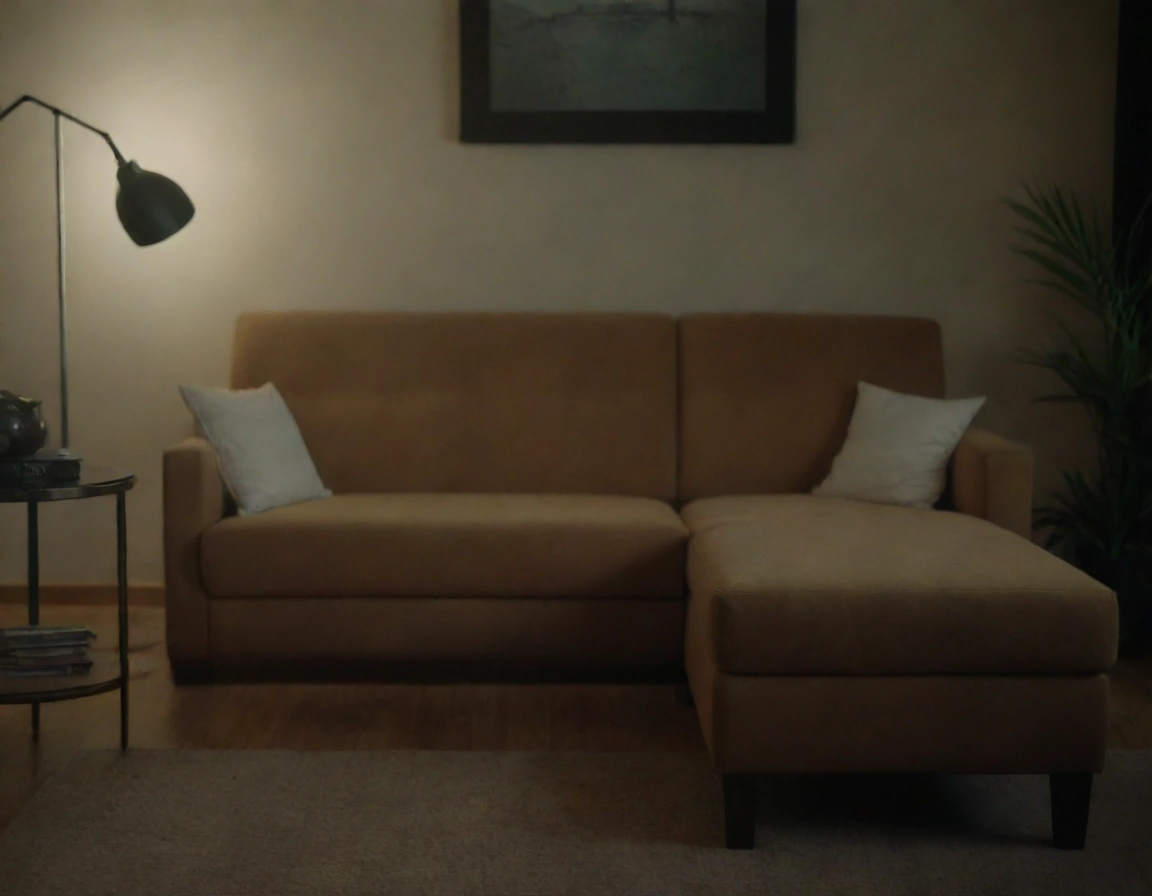
Let’s cut the crap: most sofas are a compromise. You sit, you tolerate, you move on. But a chaise longue sofa with sliding seats flips that script. Instead of adapting your body to the couch, the couch adapts to you. And once you try one, going back feels like trading a recliner for a park bench.
I spent weeks digging through retailer specs, owner forums, and manufacturing guides to figure out what actually matters in 2026. Not the marketing fluff. The real stuff — mechanisms, foam density, frame wood, and the sliding seat systems that either last a decade or break in six months.
What Exactly Is a Chaise Longue Sofa With Sliding Seats?
Picture a regular chaise: one fixed extended section, usually on the left or right. Now imagine that section (or several) can glide forward on rails, adding 15 to 30 centimeters of depth whenever you want it. That’s the sliding seat chaise longue sofa in a nutshell.
The whole point is adjustable seat depth. You pull the seat forward for movie marathons and push it back when you need floor space or want the room to look tidy. It’s a mechanical answer to a spatial problem, and honestly, it’s overdue.
These sofas come in two main flavors: manual pull-forward seats (cheaper, lighter, easier to fix) and electric or ratchet-assisted systems (smoother, pricier, more to go wrong). If you’ve got kids or pets climbing all over everything, manual wins by a mile. Fewer electronics, fewer headaches.
Why Sliding Seats Beat a Fixed Chaise Every Single Time
The biggest selling point is customizable comfort without permanent footprint. A fixed chaise eats floor space 24/7, even when nobody’s using it. A sliding seat version retracts and gives you back your living room. In apartments under 80 square meters, that difference is not cosmetic — it’s the difference between a livable space and a cluttered one.
Second, it handles different bodies. Tall people need deeper seats to support their thighs. Shorter people hate deep seats because their feet dangle. A modular chaise longue sofa with sliding sections solves both without buying two couches.
Third benefit people rarely mention: it’s genuinely better for your back. Being able to change posture throughout the evening reduces the stiffness you get from sitting in one fixed position for three hours. Physical therapists have been saying this for years about office chairs. Sofas just caught up.
How to Pick the Right One Without Getting Burned
Measure twice, buy once. Seriously. A sliding seat sofa has two dimensions that matter: retracted depth and fully extended depth. If you only measure the retracted size, you’ll end up with a couch that blocks your coffee table the moment you stretch out.
Leave at least 60 centimeters of walking space in front of the extended position. Otherwise you’re trading comfort for claustrophobia.
Now the specs that actually determine quality:
- Frame: Kiln-dried hardwood (beech, birch, or ash). Stay away from particleboard and soft pine — they warp under the weight of sliding mechanisms.
- Foam density: 35 kg/m³ minimum for seat cushions. Anything under 30 flattens within a year.
- Mechanism: Look for steel rails with ball bearings, not plastic glides. Ask if replacement rails are sold separately. If the answer is no, walk away.
- Upholstery: Tight-weave fabrics (polyester blends, performance weaves) handle sliding friction far better than loose linen or boucle.
One more thing nobody tells you: weight limits. Most sliding systems are rated between 110 and 150 kg per seat section. If you’re heavier or plan to have two people on one extended seat, check that number before you buy.
Prices, Deals, and Where the Real Value Sits in 2026
You can find a decent sliding chaise longue sofa between €700 and €1,200 from mid-tier European brands. Premium options from Scandinavian and Italian makers push past €2,500, and honestly, you’re paying mostly for design and brand name past a certain point.
The sweet spot in 2026 sits around €900 to €1,400. That range gets you a hardwood frame, decent foam, and a mechanism that won’t embarrass you in two years. Black Friday and January sales routinely knock 20-30% off these, so timing your purchase matters more than hunting for the cheapest listing.
Watch out for deals that look too good. A €400 sliding sofa almost always means particleboard frame and plastic rails. It’ll feel fine in the showroom and sag within 18 months.
Maintenance: What Keeps These Sofas Alive Longer
Sliding mechanisms are the weak point, not the upholstery. Vacuum the rails every couple of months — dust and crumbs jam the glides and force you to push harder, which wears the system out faster.
For fabric, follow the manufacturer’s cleaning code. Most performance fabrics handle a damp microfiber cloth and mild soap. Leather needs a pH-balanced conditioner every six months. And if something spills, deal with it immediately — sliding seats trap liquid in the gap between sections, and that’s where mold starts.
O