

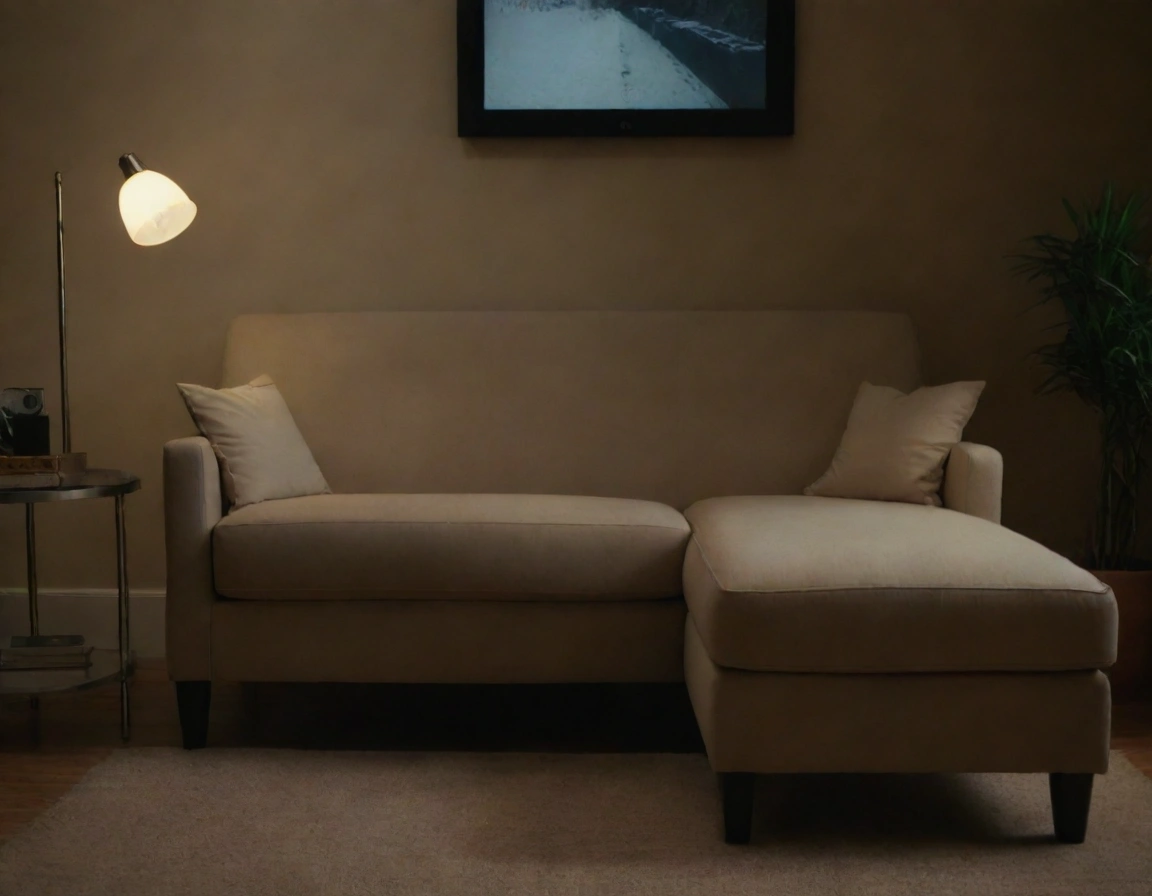
Buying a chaise longue sofa is one of those purchases you either get right or regret for the next eight years. I’ve watched friends drop €1,800 on a beautiful piece only to have the frame creak like an old ship within eighteen months. So let’s talk straight about what separates a genuine premium chaise longue sofa from a pretty trap.
The chaise longue sofa market in 2026 is flooded with “premium” labels slapped on particle board frames. Ignore the marketing. Look at the wood. That’s the whole game.
What Actually Makes a Chaise Longue Sofa Premium
Solid hardwood frames — beech, ash, or kiln-dried pine — are the non-negotiable baseline for any chaise longue sofa worth your money. Pressed wood and plastic composites are what you find in sofas that sag after two summers.
Flip the sofa over in the showroom. If the salesperson won’t let you, walk out. A legitimate retailer will happily show you the underside because they know what’s there.
Filling matters just as much. High-density foam (28–35 kg/m³ for seat cushions) holds its shape. Low-density foam (18–22 kg/m³) collapses into a sad pancake. Ask for the density number. If they don’t know it, they’re selling furniture, not quality.
When hunting for the best chaise longue sofa, remember that the chaise section itself takes more abuse than any other part — it’s where feet, pets, and lazy Sunday afternoons land. That extension needs extra reinforcement, not the same frame spec as the rest of the couch.
Durability Signs You Can Spot in 30 Seconds
Reinforced corner blocks, glued and screwed joints, and even stitching are the fingerprints of a well-built chaise longue sofa. Loose threads and wobbly legs are red flags you can catch without a magnifying glass.
Cushions should sit snug in the frame. If they slide around or leave gaps, the upholstery wasn’t cut to spec. That’s a shortcut taken at the factory, and it will show up again in two years.
Sit on the edge of the chaise extension. Then sit hard in the middle. A quality sofa won’t bottom out or groan. If you feel the frame through the cushion, that’s a hard no.
Rule of thumb from the trade: a chaise longue sofa under €900 with a “solid wood frame” claim is almost always a hybrid — solid wood in the visible parts, engineered wood hidden inside.
Fabric vs Leather: The Real Comparison
Genuine leather (full-grain or top-grain) lasts decades but costs more upfront and needs conditioning twice a year. Fabric — especially performance weaves like olefin blends or tightly woven cotton-polyester — is more forgiving with kids and pets.
If you go fabric, treat it. A fabric protector spray applied on day one repels coffee, wine, and whatever else your household throws at it. This is the single cheapest move to extend the life of your chaise longue sofa.
Bouclé and velvet look stunning in 2026 catalogs but trap dust and show wear fast on a chaise section where feet rest. I’d pick a tight weave over a trend fabric every single time.
Price Ranges: What You Should Actually Pay in 2026
- Under €700: Entry-level. Expect engineered wood, low-density foam, and a 2–3 year lifespan with heavy use.
- €900 – €1,600: The sweet spot. Solid wood frame, decent foam, quality upholstery. This is where the best value lives.
- €1,800 – €3,500: Premium territory. Kiln-dried hardwood, high-resilience foam, hand-stitched details, often modular.
- €4,000+: Designer and Italian-made pieces. You’re paying for brand, craftsmanship, and resale potential.
Don’t chase the lowest price on a chaise longue sofa. The math is brutal: a €600 sofa replaced every three years costs more than a €1,400 sofa that lasts twelve.
Design Choices That Age Well
Neutral tones — greige, warm taupe, off-white — survive décor changes. That acid-green velvet chaise looks amazing in the showroom but fights every rug you’ll ever own.
Low-profile silhouettes and clean lines have dominated since 2020 and show no sign of fading. Curvy, sculptural shapes are trending in 2026 but risk looking dated by 2030. Pick based on how long you plan to keep it.
Left-facing or right-facing chaise? Measure your room twice. Returning a chaise longue sofa because it blocks a doorway is a nightmare of logistics and restocking fees.
Maintenance That Actually Works
Vacuum the chaise longue sofa weekly with a brush attachment. Dust works into fabric like sand into a swimsuit, and it accelerates wear at the seams.
Blot spills immediately — never rub. Rubbing pushes liquid deeper and distorts the weave. For leather, use a pH-neutral cleaner and condition every six months.
Rotate and flip cushions monthly if they’re reversible. This distributes compression and doubles the useful life of the foam. Most people never do it, and their sofa shows it.
Keep the chaise longue sofa out of direct sunlight. UV fades fabric unevenly, and the chaise side — often near a window — will discolor first. A sheer curtain fixes this for free.
Final Take
The best chaise longue sofa for your home isn’t the most expensive or the trendiest. It’s the one with a solid wood frame, high-density foam, and upholstery you can actually maintain. Everything else is decoration.
Go to the store. Flip it. Sit on the chaise edge. Ask for the foam density. If the answers hold up, buy it. If they dodge, keep walking — there’s a better chaise longue sofa two blocks away.