

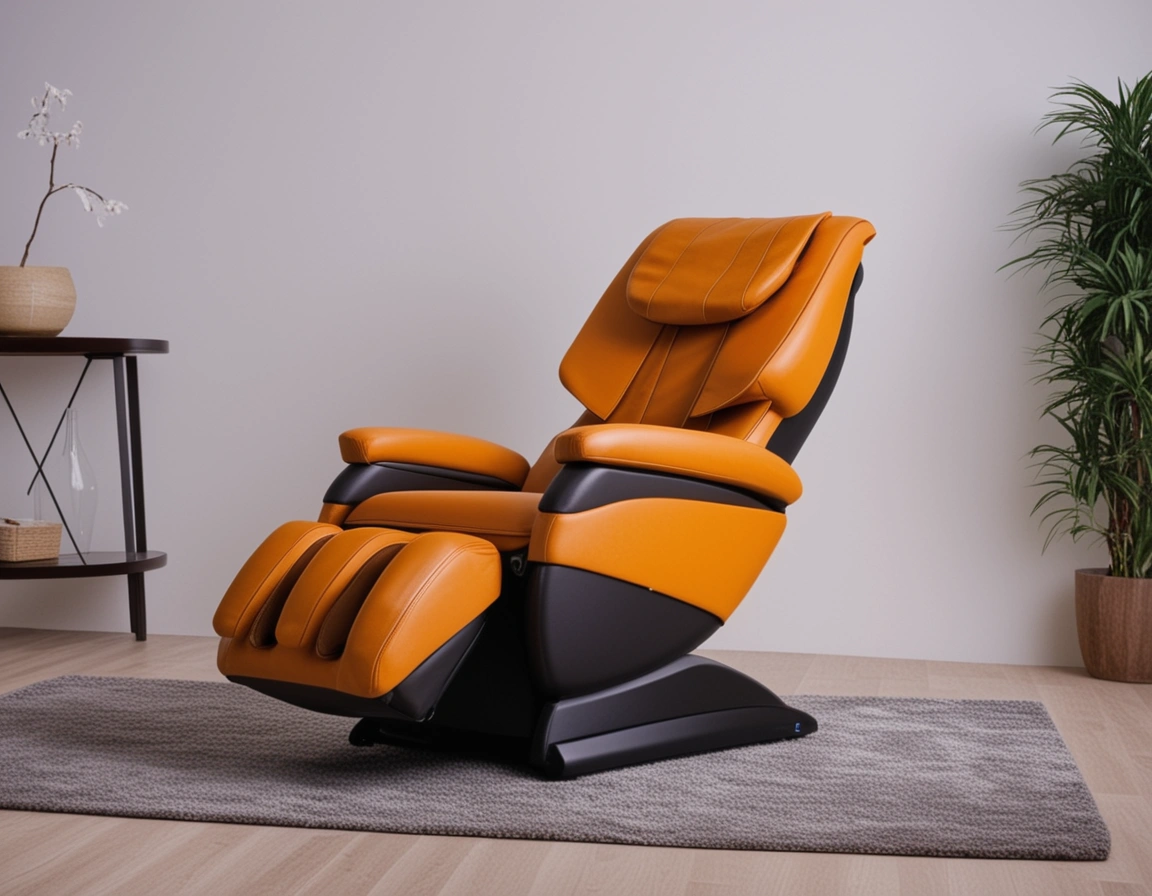
You’ve seen them in showrooms and late-night ads: a reclining and lifting massage chair that promises to knead your back and hoist you out of your seat like a gentle forklift. But most guides dance around the real question: do you actually need one, or are you paying $2,000 for a vibrating La-Z-Boy? I dug into the specs, the therapy claims, and the buyer complaints. Here’s the unfiltered breakdown.
What a Reclining and Lifting Massage Chair Actually Does
A reclining and lifting massage chair combines three functions in one frame: power recline (backrest drops, leg rest rises), a massage mechanism (rollers, airbags, or vibration), and a lift system that tilts the whole seat forward to help you stand. That last part is the game-changer for anyone with knee, hip, or balance issues.
The lift function isn’t a gimmick. It uses a linear actuator — basically a motorized piston — to raise the seat to a 45–60 degree angle. According to mobility equipment reviews, this reduces the load on your knees by transferring your weight forward, so you push up from a higher, more stable position. If you’ve ever grabbed a walker just to get off the couch, you get why this matters.
Massage Types: Shiatsu, Vibration, or Airbag? Pick Your Poison
Not all massage chairs are created equal. The cheap ones (under $500) usually offer vibration only — that buzzing that feels nice for five minutes and then just annoys you. Mid-range models ($800–$1,500) add airbags that squeeze your calves, thighs, and arms. True shiatsu rollers — the ones that mimic thumb pressure along your spine — usually start around $1,200 and go up to $5,000+.
Here’s my take: if you want actual pain relief, skip vibration-only. Airbags and rollers are where the therapeutic value lives. A 2023 study in the Journal of Physical Therapy Science found that mechanical massage (rollers) significantly reduced lower back pain scores after four weeks of daily use. Vibration? Not so much.
Health Benefits That Aren’t Marketing Fluff
Let’s separate real from hype. Reclining and lifting massage chairs do help with:
- Circulation: The recline position elevates your legs, reducing swelling and improving venous return. Good for anyone who sits 8+ hours a day.
- Muscle tension: Rolling and kneading break up trigger points in the trapezius and lumbar region.
- Mobility support: The lift function lets people with arthritis or post-surgery limitations stand independently, which preserves dignity and reduces fall risk.
What they won’t do: cure sciatica, replace physical therapy, or fix a herniated disc. If a salesperson tells you otherwise, walk out.
Features That Actually Matter (And Ones That Don’t)
When comparing reclining massage chairs with lift, ignore the marketing fluff about “AI body scanning” on budget models — it’s mostly preset programs with a fancy name. Focus on these:
- Weight capacity: Cheap chairs cap at 250 lbs. If you’re heavier, look for 300–400 lbs rated frames. The actuator is the first thing to fail.
- Upholstery: Bonded leather peels within two years. Real leather or high-grade microfiber lasts.
- Remote simplicity: If the remote has 47 buttons, you’ll never use half of them. Look for 6–8 clear presets.
- Lift mechanism: Check if it’s a single or dual actuator. Dual is smoother and less likely to jerk.
A feature that sounds great but often disappoints: zero-gravity recline. It’s comfortable, yes, but on a lift chair it can make standing up harder because you’re further back. Test it in person if you can.
How to Choose Without Getting Ripped Off in 2026
First, measure your space. These chairs need 12–18 inches of clearance behind them to recline fully, plus room in front for the leg rest. A wall-hugger design saves space but limits recline angle.
Second, set a hard budget. Under $700, you’re getting a basic lift chair with vibration. $1,000–$1,800 gets you decent airbag massage and a reliable lift. Above $2,500, you’re paying for brand name and premium rollers — worth it only if you use it daily.
Third, buy from a retailer with a 30-day return policy. These chairs are heavy (150–250 lbs), and returning one is a nightmare. Costco and some online specialists offer in-home returns. Take advantage.
My blunt advice: if you mainly need help standing, buy a dedicated lift chair for $600 and save the massage money. If you want both, spend at least $1,200. The $400 “combo” chairs on Amazon are disposable.
The Bottom Line on Reclining and Lifting Massage Chairs
They’re not a luxury if you have mobility issues — they’re a tool. But the market is flooded with overpriced junk. Focus on the lift mechanism quality, the massage type (rollers > airbags > vibration), and the return policy. Skip the hype about “acupressure healing” and “detox modes.” Your back will thank you for a solid roller chair, and your knees will thank you for a smooth lift.
And if you’re still on the fence, go sit in one at a store. Ten minutes in a showroom will tell you more than any 2026 guide ever could.