

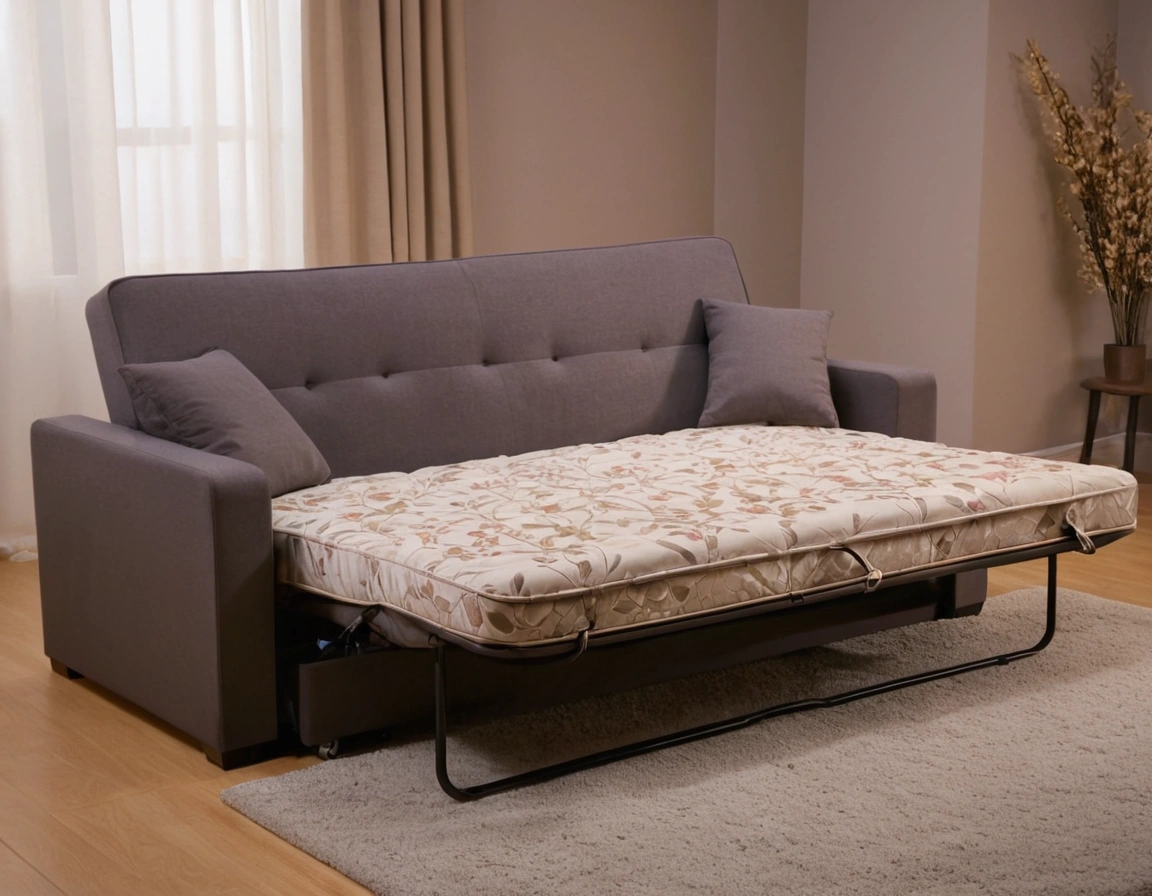
If you’re shopping for a sofa bed and you don’t know what’s inside it, you’re basically gambling. The best materials for a durable sofa bed aren’t marketing buzzwords — they decide whether that thing survives three years of Netflix nights and guest visits, or collapses the first time your brother-in-law crashes on it after a wedding.
I’ve dug through manufacturer specs, foam density standards, and real owner complaints to give you the straight answer. No fluff. No “it depends.” Just what actually holds up.
What Makes a Sofa Bed Durable in the First Place
Durability in a sofa bed comes down to three things stacked on top of each other: the frame material, the mattress or foam core, and the upholstery fabric. Skip any of them and the whole thing falls apart — literally.
A sofa bed takes way more abuse than a regular sofa. Every time you open and close it, you’re stressing hinges, joints, and folding mechanisms. That’s why durable sofa bed materials matter more here than on any fixed couch.
According to furniture industry testing standards (BIFMA and similar), a sofa bed should handle at least 20,000 open-close cycles without structural failure. Cheap models give up around 2,000. Big difference.
Frame: The Skeleton Nobody Talks About
The frame is the single most ignored component, and it’s the one that decides everything. Solid hardwood frames — kiln-dried pine, oak, or beech — are the gold standard. Pine is affordable and strong enough. Oak is heavier and near-indestructible.
What you want to avoid: particleboard, MDF, and “engineered wood” disguising itself as solid. These swell with humidity, crack at the joints, and turn your sofa bed into a wobbly mess within a couple of years.
Metal frames are a valid alternative, especially in high-use guest rooms. Steel or aluminum frames resist warping better in humid climates, though they can squeak if the joints aren’t welded properly. If you’re in a coastal area or a basement apartment, metal frame sofa beds are usually the smarter buy.
Quick check: lift one corner of the sofa. If it twists easily, the frame is trash. A good frame stays rigid.
Foam and Mattress: Where Comfort Meets Reality
This is where most budget sofa beds cheat you. They stuff in low-density foam that feels great in the showroom and flattens in six months.
The rule of thumb: high-density foam for sofa beds should be at least 1.8 lbs per cubic foot (roughly 30 kg/m³). Premium mattresses hit 2.5 lbs or more. Anything below 1.5 lbs is a pillow, not a mattress.
Memory foam is the popular pick because it adapts to your body and relieves pressure points. But here’s the catch most reviews won’t tell you: memory foam traps heat. If you sleep hot, you’ll wake up sweaty. Look for “gel-infused” or “open-cell” memory foam, which runs cooler.
Pocket spring mattresses are the other heavyweight option. Each spring sits in its own fabric pocket, so they move independently. That means better support for couples with different body weights, and it doesn’t sag in one spot. For a sofa bed used nightly, pocket springs typically outlast foam by two to three years.
If the mattress is only 4 inches thick or less, it’s not a mattress — it’s a cushion with ambition. Aim for at least 5 to 6 inches for real sleep comfort.
Upholstery: Fabric vs Leather, and Why It’s Not Obvious
Now the visual part. Sofa bed upholstery materials break into two camps, and both have real trade-offs.
- Fabric (linen, cotton, polyester blends, boucle): softer, warmer, more color options. But it stains, pills, and collects pet hair. Performance fabrics like Sunbrella or Crypton change the game — they’re stain-resistant and cleanable with water.
- Leather (top-grain or bonded): wipes clean, resists odors, ages with character. But it’s cold in winter, cracks if you neglect it, and bonded leather peels within a few years — avoid it.
- Faux leather / PU: cheap and easy to clean, but it flakes badly after 2–4 years. Only worth it for low-use rooms.
Top-grain leather is the only leather worth paying for on a sofa bed. Full-grain is even better but pricey. Anything labeled “bonded” or “split” is essentially glued leather dust — skip it.
Matching Materials to How You’ll Actually Use It
Here’s the part most buying guides skip: the “best” material depends on use case, and pretending otherwise is useless.
- If it’s a daily sleeper: hardwood or steel frame + pocket spring mattress + performance fabric or top-grain leather. This is the combo that survives a decade.
- If it’s an occasional guest bed: pine frame + high-density foam mattress + fabric upholstery is fine. You’ll save money without sacrificing real durability.
- If you have kids or pets: leather or performance fabric, no question. Fabric with a loose weave will absorb everything and look terrible in 18 months.
- If you live in a humid climate: metal frame + pocket springs. Wood and memory foam both hate humidity.
The Specs That Actually Matter When You Buy
Forget the pretty photos. When you’re standing in the