

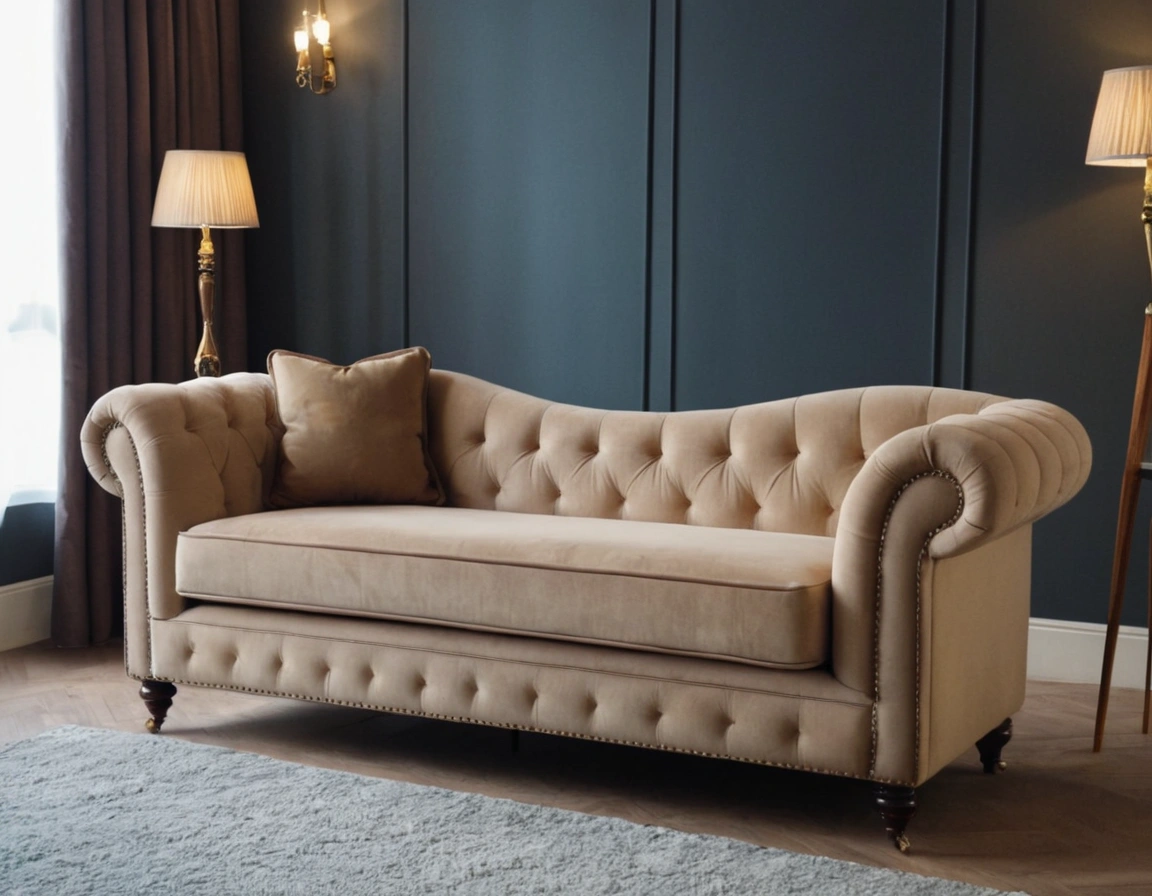
So you’re thinking about swapping out that old couch? Good call. The sofa trends for 2026 are wild, practical, and honestly a bit unexpected. We’re not talking about another boring beige sectional. We’re talking about furniture that adapts to your life, looks like art, and doesn’t wreck your back. Let’s cut the fluff and get into what actually matters when you’re hunting for the best sofa design and trends this year.
Modular Sofas Are Eating the Market (And Your Living Room)
The biggest shift in modern sofa design trends? Modularity. Forget fixed three-seaters. People want sofas they can break apart, rearrange, and rebuild like Lego. Why? Because apartments are shrinking and lifestyles are chaotic. One day you need a corner setup for movie night, the next you need an open floor for a party. Modular sofas solve that.
Brands like Lovesac and Burrow have pushed this hard, and now everyone from IKEA to high-end Italian makers is copying the playbook. The catch: modular sofas often have gaps between modules, and cheap ones wobble. Spend the extra cash on metal connectors, not plastic clips. That’s the difference between a sofa that lasts five years and one that lasts fifteen.
Bold Colors and Velvet Are Still Ruling (Sorry, Minimalists)
If you thought the velvet craze was dying, think again. Sofa design trends 2026 double down on velvet, but with a twist: performance velvet. Real velvet is a nightmare with kids or pets. Performance velvet (like Crypton or Sunbrella fabrics) gives you that luxe look without the panic attack every time someone spills wine.
Color-wise, cobalt blue and mustard yellow are still huge. But there’s a new player: deep olive green. It’s earthy, sophisticated, and hides stains better than light gray. Pair it with brass legs and you’ve got a piece that looks expensive without actually being expensive.
Minimalists, don’t @ me. You can still get a sleek sofa in neutral tones. But the data from furniture retailers shows bold colors sell out faster. People are tired of playing it safe.
Comfort Tech: Sofas That Adjust, Massage, and Heal Your Back
Here’s where sofa comfort innovations get real. Motorized recliners used to be ugly and bulky. Now they’re sleek and quiet. Brands like Stressless and Human Touch are embedding adjustable lumbar support and even built-in massage systems into sofas that look like normal furniture.
Is it overkill? For some, yes. But if you work from home or have chronic back pain, a sofa with adjustable lumbar support is a game-changer. You can go from sitting upright for a meeting to full recline for a nap with one button. No more stacking pillows like a desperate college student.
Memory Foam vs. Goose Down: What Actually Feels Better?
Let’s settle this. Memory foam gives you support and keeps its shape. Goose down feels like a cloud but needs fluffing constantly and can trigger allergies. High-resilience (HR) foam is the middle ground and what most quality sofas use. My take: go with a foam core wrapped in down. You get the best of both worlds without the sag.
Sustainability Is Not a Gimmick Anymore
Greenwashing is everywhere, but some brands are genuinely doing the work. Sustainable sofa materials like recycled PET fabric (made from plastic bottles) and FSC-certified wood frames are becoming standard. Look for certifications like Greenguard Gold or Cradle to Cradle. If a brand can’t tell you where its wood comes from, walk away.
One exception: vegan leather. It sounds eco-friendly, but most faux leather is polyurethane, which is plastic. It peels within a few years. Real leather, if sourced from a tannery with gold-rated LWG certification, is actually more sustainable long-term because it lasts decades.
How to Choose the Perfect Sofa for Your Space (Without Regret)
Size matters more than anything. A sofa that’s too big makes a room feel cramped. Too small and it looks like doll furniture. Measure your space, then tape out the footprint on the floor with painter’s tape. Walk around it. If you have to squeeze past, it’s too big.
Depth is the sneaky killer. Standard sofas are around 36-40 inches deep. If you’re tall, go deeper. If you’re short, a deep sofa will make your feet dangle like a kid on a barstool. Sit in it for at least 10 minutes before buying. Online reviews are great, but your butt is the final judge.
Style vs. Function: You Can Have Both
A sectional is great for open-plan spaces and movie nights. A two-seater with a high back is better for reading nooks. And a sofa bed? Only if you absolutely need one. Most pull-out couches have a metal bar that you’ll feel through the mattress. If guests are rare, get a comfortable sofa and buy a decent air mattress instead.
Fabrics That Survive Real Life
If you have pets or kids, skip linen and velvet. Go for performance fabrics like Crypton, Sunbrella, or leather. They wipe clean and resist scratches. If you don’t have pets or kids, linen is beautiful but wrinkles. Cotton is soft but stains. Wool is durable but itchy. Pick your poison based on your household, not Pinterest.
Don’t Cheap Out on the Frame
A high-quality sofa has a kiln-dried hardwood frame. Plywood and particle board are red flags. Ask the salesperson. If they don’t know, leave. The frame is the skeleton. A bad frame means squeaks, sagging, and a sofa that dies in three years.
The Bottom Line? Buy for Your Life, Not for Instagram
The best sofa design and trends for 2026 are all about adaptability. Modular, tech-enabled, sustainable, and bold. But none of that matters if it doesn’t fit your space, your body, and your budget. Test it, measure twice, and ignore the hype if it doesn’t work for you. Your living room is not a showroom. It’s where you actually live.