

If you sit more than six hours a day, the chair under your butt is not furniture. It’s a health decision. And the gaming chair vs office chair debate in 2026 is still full of bad advice from people who never spent a full workweek in either one.
Let’s cut the marketing noise. Both types can wreck you or save you, depending on the build quality and how you actually use them. I’ve dug into ergonomics research, user reviews, and spec sheets to give you a straight answer.
Gaming Chair vs Office Chair: The Real Difference Nobody Tells You
The core difference isn’t the racing stripes or the “gamer” logo. It’s the geometry of the seat and the backrest.
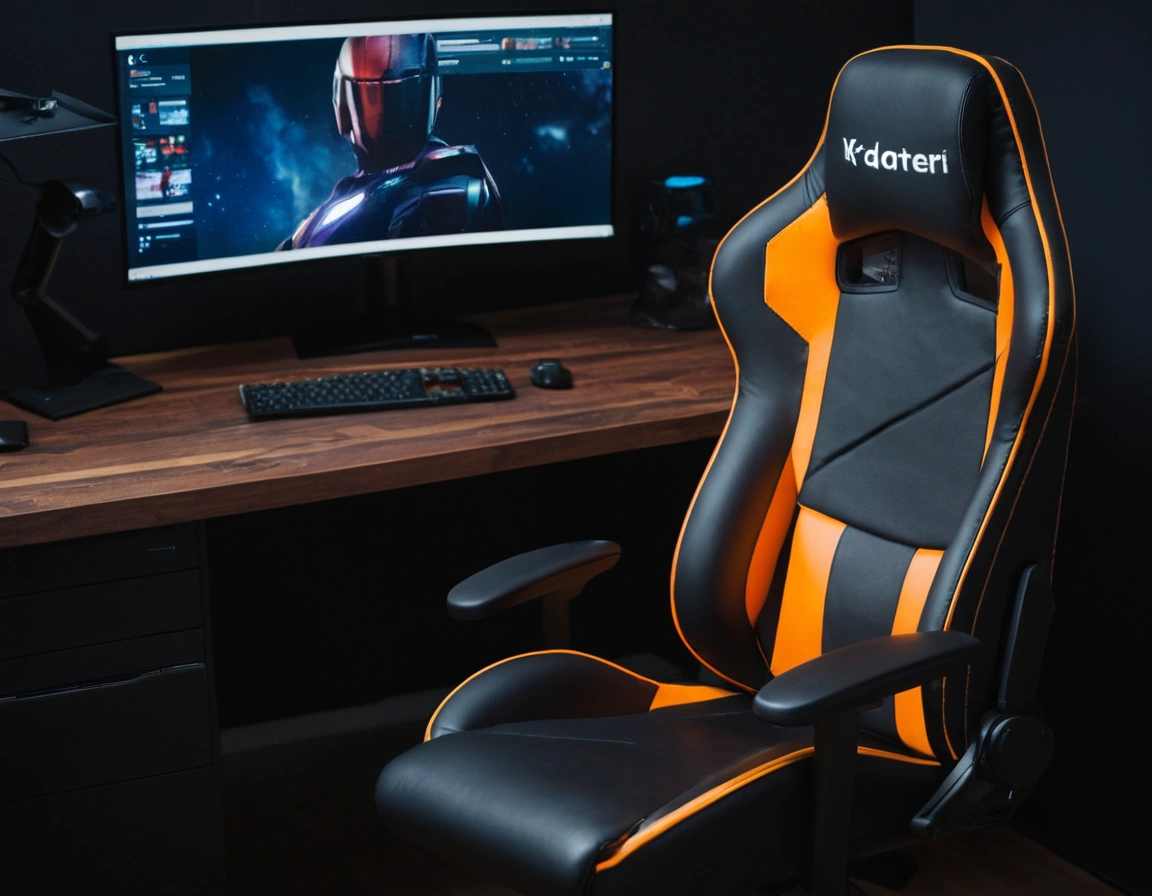
Office chairs are built around a flat seat pan and an upright, task-oriented posture. Gaming chairs copy the bucket-seat shape of racing cars: side bolsters, a deeper recline, and a taller backrest with pillow supports.
That bucket shape is great for reclining and watching a screen at a distance. It’s terrible if you need to lean forward and type for eight hours. This is where most people get the gaming chair vs office chair comparison wrong — they compare looks instead of posture.
Ergonomics: Where Gaming Chairs Actually Win
A good gaming chair in 2026 comes with adjustable lumbar support, a neck pillow, 4D armrests, and a recline that goes past 135 degrees. For long gaming sessions or movie marathons, that combination is hard to beat.
The problem? Cheap gaming chairs use stiff foam and fake leather that traps heat. After two hours your lower back is sweating and the lumbar pillow has slid down to your tailbone.
So the ergonomic advantage of a gaming chair only exists if you spend over $250. Below that price, an office chair usually wins.
Office Chairs: Boring, But Built for the Desk
Office chairs are designed for one thing: keeping you productive at a keyboard. Mesh backs breathe better. Seat depth adjustment is standard on mid-range models. And the recline tension mechanism lets you rock gently without losing posture.
If you work from home, a mesh office chair like an Aeron-style model will keep your spine neutral far better than a racing chair. That’s the honest answer to the gaming chair vs office chair question for remote workers.
The downside: office chairs look like office chairs. No headrest on most models. No deep recline. If you game after work, you’ll feel the difference in your neck.
Lumbar Support: The Feature That Decides Everything
Lumbar support is not a pillow. It’s the curve that pushes your lower spine forward to maintain its natural S-shape.
Gaming chairs usually include a removable lumbar cushion. Office chairs build the curve into the backrest itself. Built-in support is more consistent — it doesn’t move when you shift.
My take: if you have existing lower back pain, buy an office chair with adjustable lumbar depth. If you’re healthy and just want comfort for gaming, a gaming chair with a firm lumbar pillow works fine.
Durability: Which Chair Survives Five Years?
Office chairs win on long-term durability in most price brackets. Steel bases, high-density foam, and replaceable casters are standard. You can buy spare parts for a Herman Miller or Steelcase a decade later.
Gaming chairs often use PU leather that peels after 18 months. The tilt mechanism on budget models fails first. High-end brands like Secretlab or AndaSeat do better, but you’re paying office-chair money for them anyway.
So the durability argument in the gaming chair vs office chair matchup goes to office chairs — unless you go premium on both sides.
Price: What You Actually Get for $200
At $200, an office chair gives you mesh, a decent cylinder, and basic adjustments. A $200 gaming chair gives you looks, a headrest, and foam that flattens in a year.
At $500, both categories get serious. Office chairs add 4D armrests and synchro-tilt. Gaming chairs add cold-cure foam and metal frames.
Below $150, don’t buy either online. Go to a store and sit. Your spine doesn’t care about RGB.
Who Should Buy a Gaming Chair in 2026?
Buy a gaming chair if you recline a lot, watch content at your desk, or game for sessions longer than three hours. The tall backrest and neck pillow genuinely help there.
Buy one if you like the aesthetic. That’s a valid reason. Just don’t pretend it’s more ergonomic than a proper office chair.
Who Should Buy an Office Chair Instead
Buy an office chair if your day is typing, coding, or taking calls. Buy one if you have back issues. Buy one if you want to still be using it in 2032.
Mesh, adjustable seat depth, and a firm lumbar curve beat a racing bucket for desk work. Every ergonomist I’ve read agrees on this.
The Verdict: Gaming Chair vs Office Chair
There’s no universal winner. But if I had to pick one for a mixed work-and-gaming setup, I’d take a high-end ergonomic office chair with a headrest add-on.
If you’re purely gaming and reclining, a quality gaming chair is the better call. Just budget $300+ and check the foam density before buying.
Stop asking which chair is “better.” Ask which posture you spend more hours in. That answer picks your chair.